
CORE TEAM
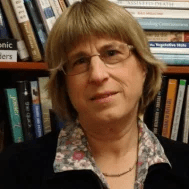
Celia Kitzinger is founding co-director (with Gill Loomes-Quinn) of the Open Justice Court of Protection Project. She is a scholar-activist with a background in academic psychology and a 40-year academic career behind her. Her most recent scholarly publications (mostly ‘open access’) on issues relating to prolonged disorders of consciousness and best interests decision-making can be accessed here. Celia’s involvement in issues relating to the Mental Capacity Act 2005 derives from, and continues to be inspired by, her family experience, since her sister Polly’s devastating brain injury in 2009 (click here). She is co-founder, with her sister, Professor Jenny Kitzinger, of the Coma and Disorders of Consciousness Research Centre and has championed information and support for people wishing to ensure their legal rights after loss of capacity, including (in addition to Lasting Power of Attorney): (a) decisions not to receive particular treatments ( “Advance Decisions to Refuse Treatment”, ss. 24-26 MCA 2005) and (b) requests for particular aspects of health and social care (e.g. respect for dietary choices, vaccination decisions, place of residence, religious observance and end of life wishes), all of which can be recorded in written form with a legal standing in best interests decision-making (s.4(6)(a) MCA 2005).
For the last decade Celia has been working as a researcher and advocate in relation to serious medical treatment decisions made on behalf of people who cannot make those decisions for themselves. This has included providing informal support for family members through best interests decision-making meetings and Court of Protection hearings concerning withdrawal of life-sustaining treatments (including, in particular, feeding tubes). She has attended and written about many such hearings – including the first ever all-remote hearing in the Court of Protection in March 2020 (click here). She contributes to many professional working parties, including the British Medical Association core editorial group that produced the national guidance on clinically assisted nutrition and hydration, the Royal College of Physicians guidelines development group for national guidelines on prolonged disorders of consciousness and the Lancet Commission on the Value of Death. She has family experience of end of life decision-making (see “Doctors wouldn’t let my sister die” and “How to plan for a good death“) and is strongly committed to end-of-life planning.
She is on social media including: Bluesky and X/Twitter @kitzingercelia and on LinkedIn (here)
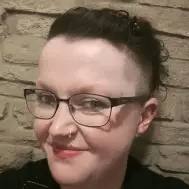
Gill Loomes-Quinn is founding co-director (along with Celia Kitzinger) of the Open Justice Court of Protection Project. She is a disabled socio-legal scholar-activist with a background in community advocacy. She first encountered the Mental Capacity Act 2005 when it was introduced while she was working as a specialist autism advocate in northern England, and saw how the Act impacted the human rights of those of her clients deemed to lack mental capacity to make key decisions for themselves. However, this was prior to the inception of the Transparency Pilot, and the practical workings of the Court of Protection remained hidden from her. During her PhD (“Mental Capacity, Disability, and “Voice”: A Socio-Legal Exploration), Gill was the first researcher to use the Transparency Pilot to access the Court of Protection as a Public Observer. She is passionate about the concepts of Open Justice and Legal Literacy as they relate to the Court of Protection – and their potential to contribute to a politics of justice for disabled people. Her recent relevant publications explore the impact on disability rights of the Mental Capacity Act 2005 framework for research participation (here and here), as well as reporting on her experiences in the Court of Protection for the Transparency Project. She also co-authored a report (with Dr Jaime Lindsay – University of Essex) evaluating the use of mediation in the Court of Protection, and was lead applicant (with Dr Jed Meers – University of York Law School) on a successful grant application to the University of York Research Centre for Social Science with which they organised a symposium on the ethical and legal implications of involving people in research who lack the capacity to consent. Alongside her research, Gill is proud to be a convener of PARC – the Participatory Autism Research Collective.
Gill is on X/Twitter and Bluesky @GillLoomesQuinn
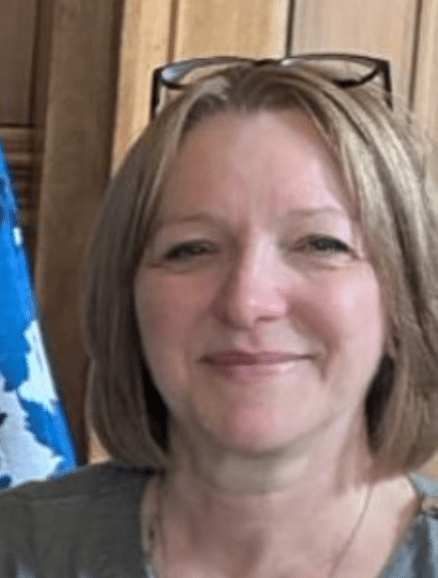
Claire Martin is a clinical psychologist who has spent her career working with older people in the NHS. She currently leads the older people’s psychology team in Gateshead. Principally, she considers herself a jobbing clinician, and, in addition to being a clinical psychologist and a member of the Association of Clinical Psychologists (ACP), she is trained in psychological therapies of Cognitive Analytic Therapy and EMDR (Eye Movement Desensitisation and Reprocessing). She is a keen advocate for older people being able to access the same psychological support and therapies as younger people.
The Open Justice Court of Protection project caught her eye during the COVID pandemic as an opportunity to get involved in learning more about our justice system and mental capacity – especially as a lot of Court of Protection cases involve the human rights of older people when they have lost capacity to make certain decisions for themselves. So, a ‘bit of CPD’ became a regular drive to observe, learn about the application of the law and then, bit by bit, join in with the wider conversation around the complex issues involved. Being part of the OJCOP core team is a fantastic chance to work with a small group of committed people, and support many other public observers to learn about and scrutinise the workings of the Court of Protection.
Claire tweets as @DocCMartin
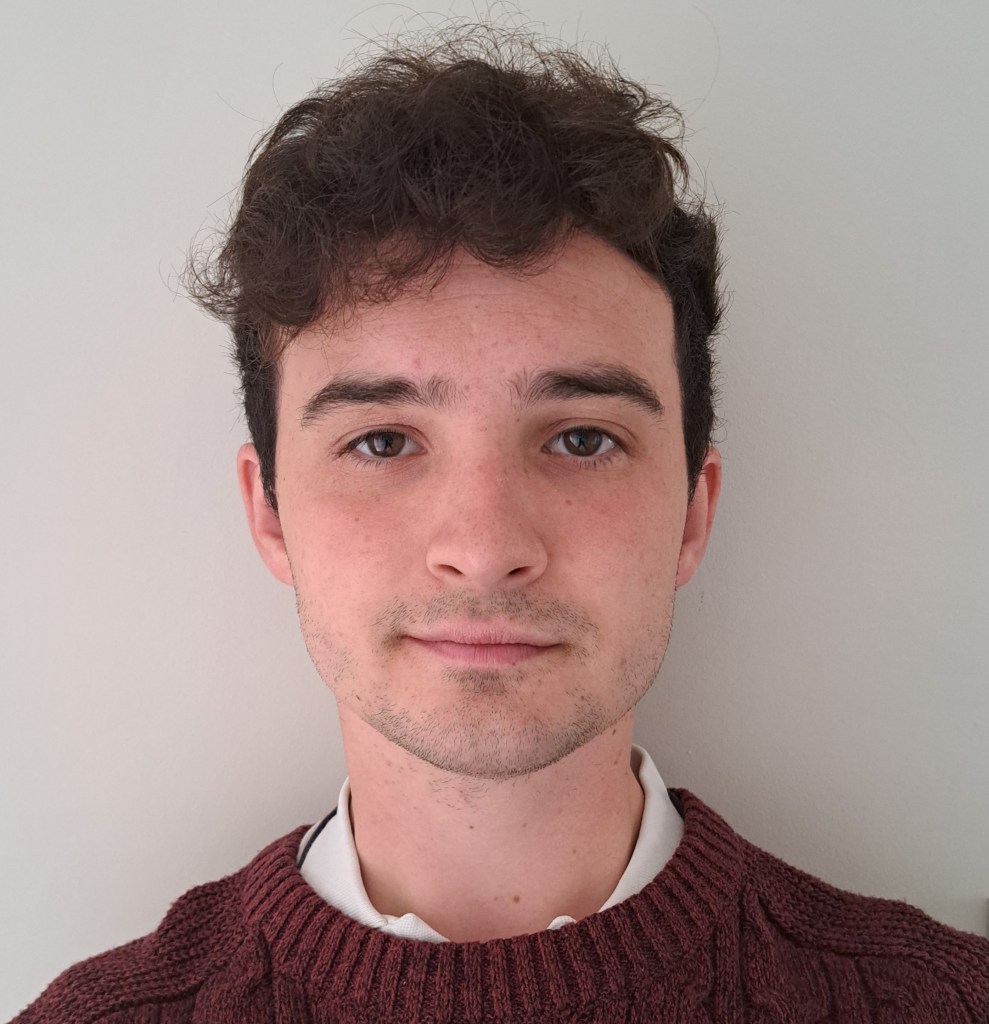
Daniel Clark is a PhD student in the Department of Politics & International Relations at the University of Sheffield. His research, funded by Arts & Humanities Research Council (AHRC) through the White Rose College of the Arts & Humanities (WRoCAH), aims to develop Iris Marion Young’s claim that older people are an oppressed social group. A work of political theory, his research makes three main claims. First, anti-ageing products construct old age as something undesirable, and therefore older people as “Other”. Second, a lack of funding for preventative services pushes more older people into needing care sooner than they otherwise would – a process characterised by a lack of choice. Third, deprivations of liberty and the use of the inherent jurisdiction of the High Court contributes to the nexus of oppression that (some) older people experience.
A requirement of Daniel’s PhD funding is undertaking a Researcher Employability Project (REP) – a research project for an external (non-university) organisation. He completed this for the Open Justice Court of Protection Project in Summer 2024, looking into Practice Directions, statute, and case law that should regulate how judges make decisions about transparency and open justice. He found that, while things have improved since 2016, there is plenty more work that needs to be done – particularly in how to safeguard a protected party’s privacy. It also affirmed in Daniel’s mind that in the event he becomes a “P” in the Court of Protection, he does not want a Transparency Order to prevent people from identifying him or his family. A blog reporting on Daniel’s REP research is here: “A review of transparency and open justice in the Court of Protection”
Daniel has experience of working as a carer in the health and social care sector (both public and private) and has supported people deprived of their liberty pursuant to the Mental Capacity Act 2005 (subject to DoLS) and the Mental Health Act 1983. He is interested in the ways that the Court of Protection approaches deprivations of liberty, the uses of the inherent jurisdiction of the High Court (of which he tends to be critical), and the way in which legal processes can disadvantage P and their family. While he is keen on promoting greater transparency, he is also concerned by the way that the court sometimes fails adequately to safeguard P’s privacy (e.g. by including P’s full name on the face of a Transparency Order).
Daniel is a seasoned observer of Court of Protection hearings and regularly blogs for the Project. His blog posts include:
· “It is a process that isn’t fair”: Structural injustice in the Court of Protection
· Treatment for Anorexia Nervosa: A brief directions hearing (with a new postscript on transparency)
· Can a Turkish Guardianship Order be recognised in England and Wales?
· Marking one’s own homework: A “fair-minded observer’s” view of a recusal refusal
· Prohibitive Transparency Orders: Honest mistakes or weaponised incompetence?
· Final considerations for a s21a challenge: Questions about truth-telling to someone with dementia and, yet again, issues with the Transparency Order
Daniel Clark can be found on LinkedIn, X @DanielClark132 and Bluesky @clarkdaniel.bsky.social
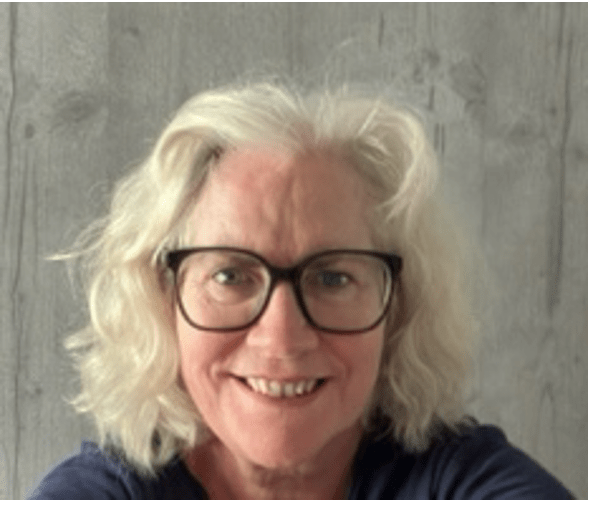
Amanda Hill is a PhD student at the School of Journalism, Media and Culture at Cardiff University. Her research focuses on the Court of Protection, exploring family experiences, media representations and social media activism. She’s observed dozens of Court of Protection hearings and has written numerous blogs for the Open Justice Court of Protection Project, including: Tony Hickmott: Not the happy ending everyone had hoped for’; A “Catch 22” situation for P or Hobson’s Choice? Disagreement among professionals as to whether P has capacity and a finely balanced decision for the judge and She wants to tell her Court of Protection story but will the court allow her?
Amanda regularly gives talks about the Court of Protection and co-hosts the monthly webinar on ‘How to observe remote hearings in the Court of Protection’ with Claire Martin.
She is on LinkedIn (here), and also on X as @AmandaAPHill and Bluesky @AmandaAPHill.bsky.social
ADVISORY TEAM

Kirsty Stuart is a senior associate Solicitor at Weightmans Solicitors. Kirsty leads a team of individuals, cases and projects for those who are autistic and/or have a learning disability and are ‘stuck’ in mental health in-patient units (also known as Assessment and Treatment Units) and uses the Court of Protection and Judicial review to advocate for homes not hospitals as well as running a monthly pro bono legal surgery. Alongside this, Kirsty is also instructed on behalf of advocates, family members and the Official Solicitor in community care, judicial review and Court of Protection matters.
Alongside her work, Kirsty is an active member of campaigns and groups supporting disabled people and works to raise awareness of the human rights of those in ATUs. Kirsty has also drawn on her experience as a carer for her mum (who has a rare type of young-onset dementia) and a parent of two autistic and medically complex children.
Kirsty is active on social media, particularly twitter and tweets at @mrsarcticride and @LACRnetwork
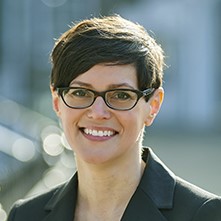
Victoria Butler-Cole KC is a barrister at 39 Essex Chambers who specialises in health and social care, with extensive experience in the Court of Protection. She is the co-founder with Alex Ruck Keene of the 39 Essex Mental Capacity Report, and is recognised as one of the leading barristers in this field, having appeared in many of the leading cases. She is presently Vice-Chair of the Court of Protection Bar Association. Victoria has a particular interest in ethics and is a member of the Nuffield Council on Bioethics and a member of the advisory group to the UK Pandemic Ethics Accelerator. She sits as a recorder on the Western Circuit. She has previously blogged for the Project (e.g. Re: An Expectant Mother [2021] EWCOP 33: A lawyer’s perspective and Who’s Who in the Court of Protection? )
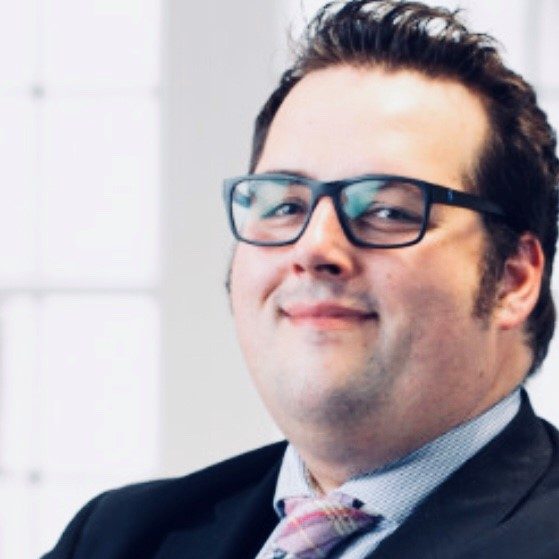
Ian Brownhill is a barrister at 39 Essex Chambers, His Majesty’s Assistant Coroner for Kent and a specialist in public, human rights and regulatory law. His practice focuses on safeguarding adults, mental capacity, medical treatment, and criminal justice issues. Many of Ian’s cases involve: physical, sexual or financial abuse; a P who is assessed to be at risk of offending; or concerns that P has been radicalised, brainwashed, trafficked or groomed. You can listen to Ian reflecting on the politics of safeguarding in a podcast here. Ian also acts as counsel in inquests, especially where there are issues in respect of the deceased’s mental capacity. As a coroner, Ian has presided over a number of jury inquests and conducted the whole range of coronial work. Ian holds judicial roles in sport, especially in respect of safeguarding. He has previously blogged for the Project, e.g. “The myths and mistakes of capacity and criminality” and authored the chapter on mental health and capacity in “Human Rights in Criminal Law” (Bloomsbury 2024) and the chapter on assessing mental capacity in “Neuropsychological Aspects of Brain Injury Litigation” (Routledge 2022).
Ian is active on Twitter @counseltweets
 Promoting Open Justice in the Court of Protection