

The writer and political salonnière Jeanne Marie “Manon” Roland was guillotined in Paris on 8th November 1793. Legend has it that her last words on the scaffold were, “O Liberté, que de crimes on commet en ton nom!”—“Oh Liberty, what crimes are committed in your name!”
Category Archives: Uncategorized
Feeding under sedation for anorexia nervosa: The outcome for LV [2025] EWCOP 9

By Sydney White, 18th November 2025 The protected party at the centre of this case, LV, is a 20-year-old woman diagnosed with anorexia nervosa, autism spectrum disorder, severe depression, and anxiety. At the time of the first Court of Protection hearing, in early 2025, she was an inpatient on a ward in a specialist eatingContinue reading “Feeding under sedation for anorexia nervosa: The outcome for LV [2025] EWCOP 9”
Hoarding and best interests challenges for the Court of Protection

By Claire Martin, 16th November 2025 The protected party at the centre of this case (P) is a man who has significant hoarding difficulties. The Local Authority wants him to leave his home – either by agreement or by force – to enable them to clear the property and assess the amount of work thatContinue reading “Hoarding and best interests challenges for the Court of Protection”
Abstract argument: The Attorney General for Northern Ireland’s Reference to the Supreme Court

Many of the hypothetical arguments and postulated facts raised at the hearing concerned not the issue of consent on which the Attorney General sought guidance, but the wider issue of whether Cheshire West was correctly decided viz. the “acid test”. That question was raised late in the day by the Secretary of State for Health and Social Care who does not have standing to refer cases directly to the Supreme Court himself…
When open justice undermines public confidence: Scrutinising the Supreme Court
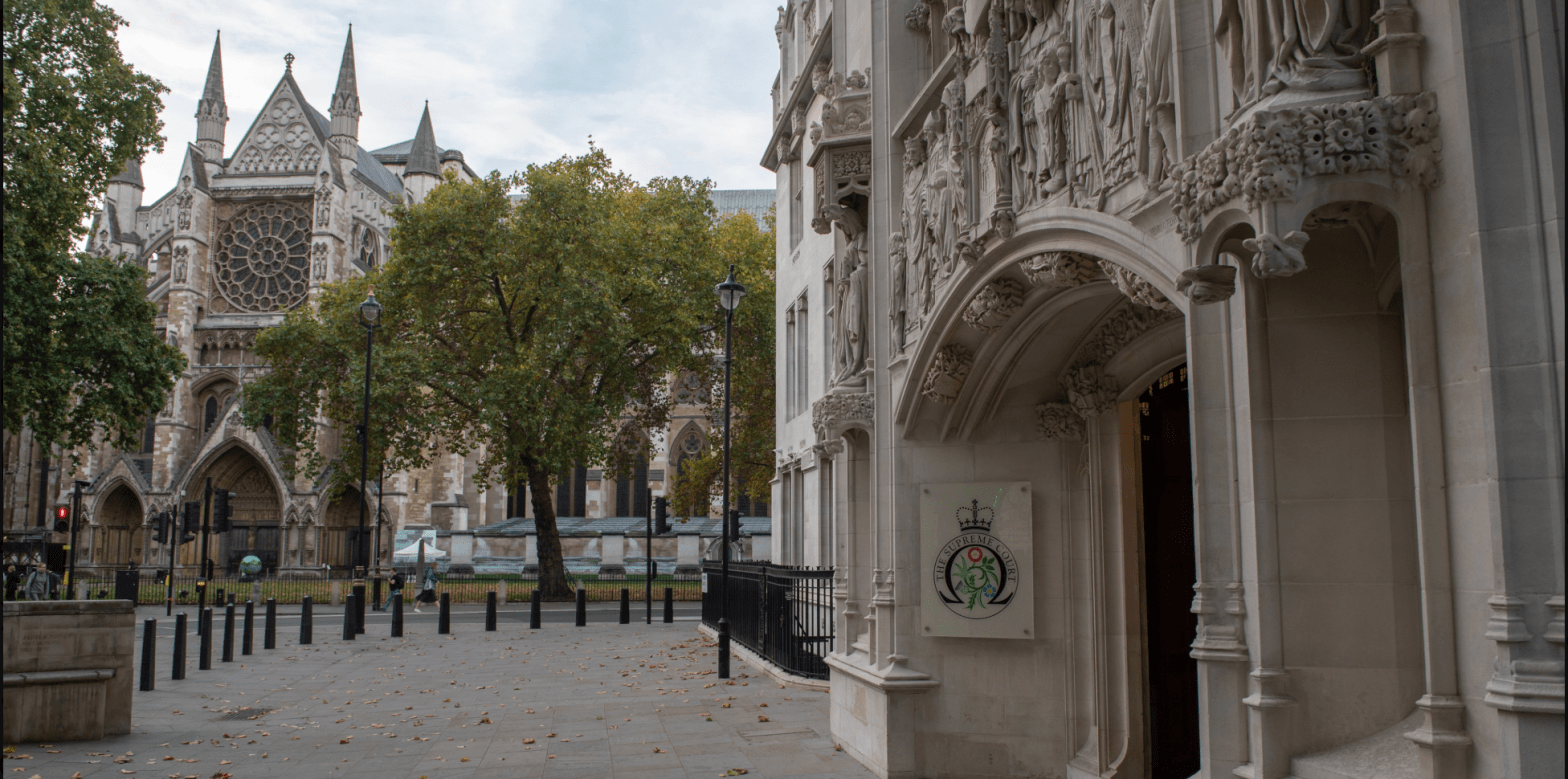
Justice is not a cloistered virtue; she must be allowed to suffer the scrutiny and respectful, even though outspoken, comments of ordinary men
Pre-Hearing Draft Orders: Procedure, Not Pressure

Filing draft orders before hearings is not about ambushing the other side or influencing the judge. It is a procedural requirement.
Non-compliance: What happens when public bodies don’t obey court orders?

It concerns “non-compliance issues” in a case called JS v South Tyneside Council – and I guessed (correctly) that the non-compliance related to the behaviour of South Tyneside Council rather than to JS, the protected party in the case.
“Liberty” in the Supreme Court

“What about somebody who is so demented they’re effectively catatonic. Just spend the day in front of a television set. Is that person- In what sense does that person have any liberty which she can be deprived of?” (Lord Reed)
Reflections of a freelance mental capacity consultant on the Supreme Court case about deprivation of liberty

I know it’s not a popular view, but I consider the limitations on my daughter’s liberty arise from the injury. She cannot always bring forward and initiate ideas; she can’t go out alone – not because we or the State want to impede her experience of liberty but because the combination of visual impairment, mobility impairment and speed of processing information make it unsafe for her to do so.
A summary of the arguments heard by the Supreme Court
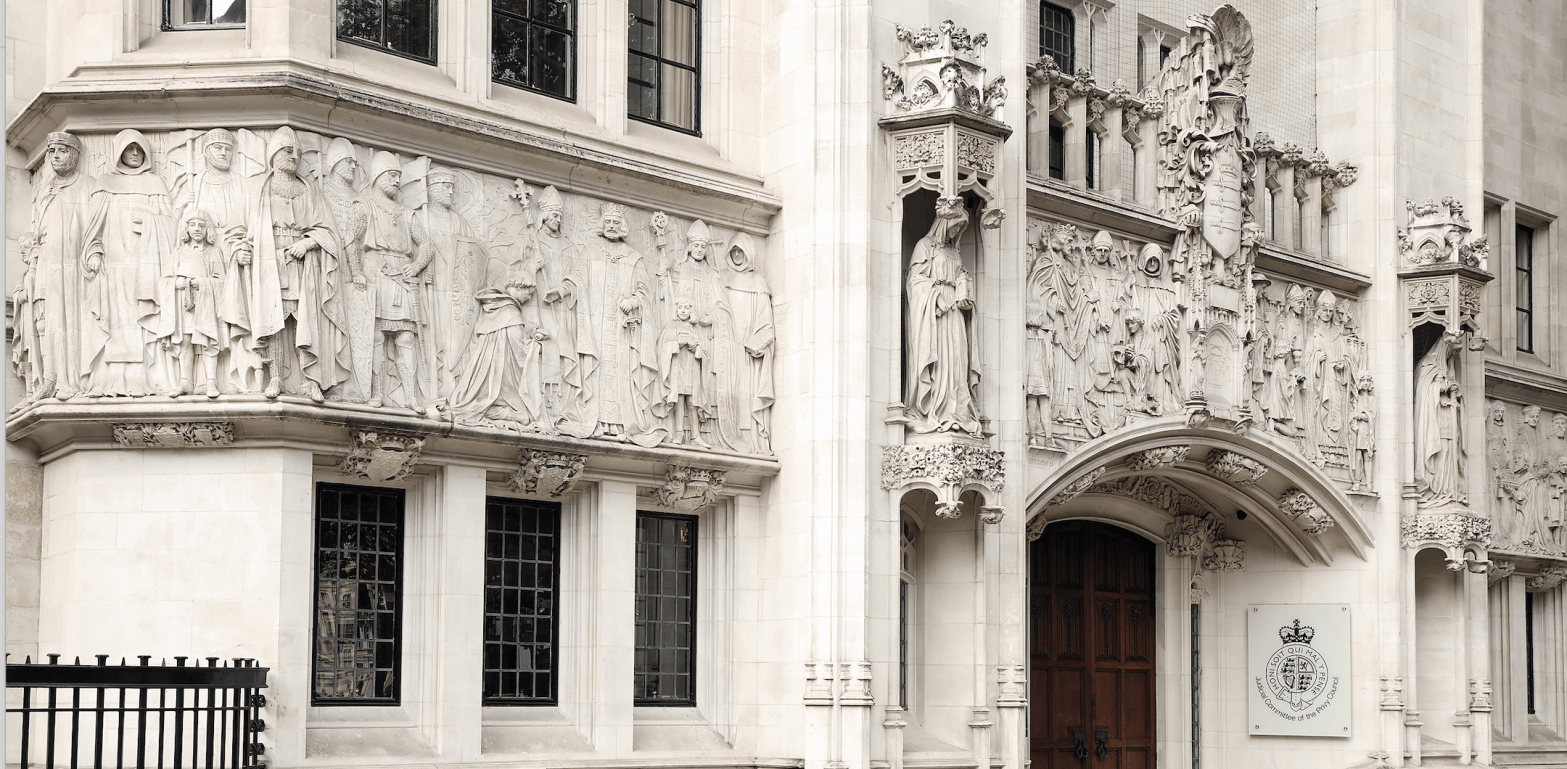
On 20-22 October 2025, the UK Supreme Court is hearing argument about how to understand a deprivation of liberty. This blog is a summary of the oral arguments that the court has heard, and will be updated as the case develops.
 Promoting Open Justice in the Court of Protection