

Following AGNI, has P (who has capacity to make decisions about care and residence) been deprived of her liberty for the purposes of making a human rights claim?
Tag Archives: Deprivation of Liberty
Polly and AGNI: A family reflection on deprivation of liberty

Polly has lived her life in the context of both the ‘ordinary usage’ of ‘liberty’ with its powerful social and political symbolism, and also the more peculiar legal definitions created by judicial interpretation of mental capacity legislation.
Considering ‘deprivation of liberty’ in a family home setting after AGNI

HHJ Burrows determined that there is no deprivation of liberty for a young woman living under constant supervision and control in an annex to the family home. It was clear from his comments in court that he did so with considerable reluctance, referring to “deeply philosophically difficult” arguments.
AGNI: A common-sense judgment or agony?

For people who consider their loved ones well cared for, safe, and happy, the pre‑AGNI deprivation of liberty (DoL) processes were nonsensical and often intrusive. For that reason, the current judgment brings a sense of relief to many. But for other individuals, whose daily lives are dictated and constrained by institutional or quasi‑institutional regimes, with simple choices removed from their decisional space, and an array of human‑rights abuses hidden behind closed cultures, this judgment may have a more detrimental impact.
Overturning Cheshire West and my Grandma’s experience of ‘the death house’ care home

Born in 1930, my Grandma was funny, cheeky, loving and firmly opinionated. She had been diagnosed with end-stage heart failure and vascular dementia, with fluctuating capacity and had been living happily in a small nursing home…
The Supreme Court’s judgment is an opportunity returning us to common sense
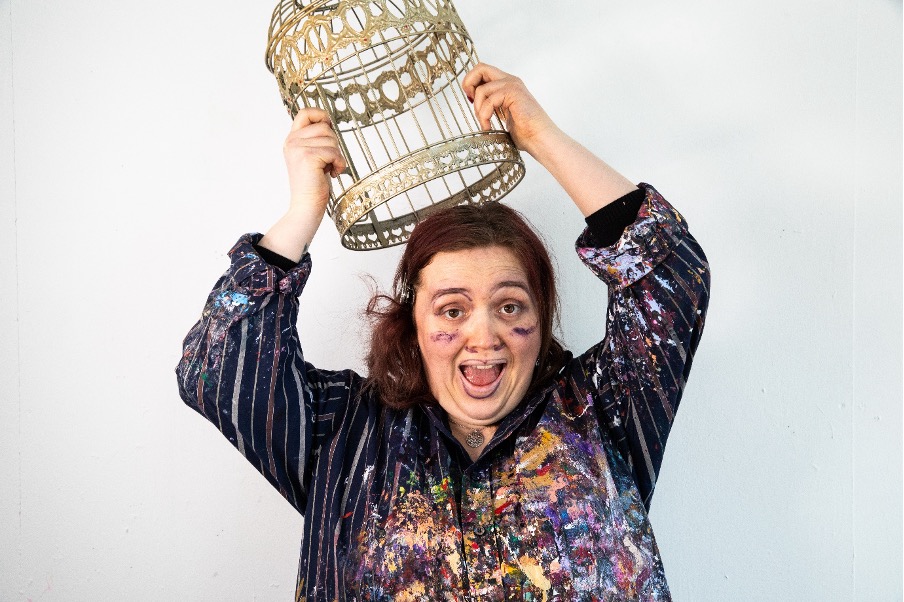
by Lorraine Currie, 11th June 2026 The image accompanying this blog has been provided by Lorraine’s daughter: the Magic Artist, Grace. To see her artwork (and for details about how to purchase it), you can visit her website: https://gracecurrie.art Editorial Note: this is the first of a series of ‘commentary’ blog posts we plan to publishContinue reading “The Supreme Court’s judgment is an opportunity returning us to common sense”
Learning from five nonagenarians: Can we avoid becoming a “P” in the Court of Protection in our old age?

In a single month, I observed five hearings involving nonagenarians – people in their nineties. I can’t imagine that anyone would choose to be involved – or to have their family members involved – in Court of Protection proceedings as they approach the end of their life. I’m not sure, though, having considered these five cases carefully (and looked at others we’ve blogged about) that there’s much we can do to avoid it.
The Mostyn Objection

The writer and political salonnière Jeanne Marie “Manon” Roland was guillotined in Paris on 8th November 1793. Legend has it that her last words on the scaffold were, “O Liberté, que de crimes on commet en ton nom!”—“Oh Liberty, what crimes are committed in your name!”
Abstract argument: The Attorney General for Northern Ireland’s Reference to the Supreme Court

Many of the hypothetical arguments and postulated facts raised at the hearing concerned not the issue of consent on which the Attorney General sought guidance, but the wider issue of whether Cheshire West was correctly decided viz. the “acid test”. That question was raised late in the day by the Secretary of State for Health and Social Care who does not have standing to refer cases directly to the Supreme Court himself…
When open justice undermines public confidence: Scrutinising the Supreme Court
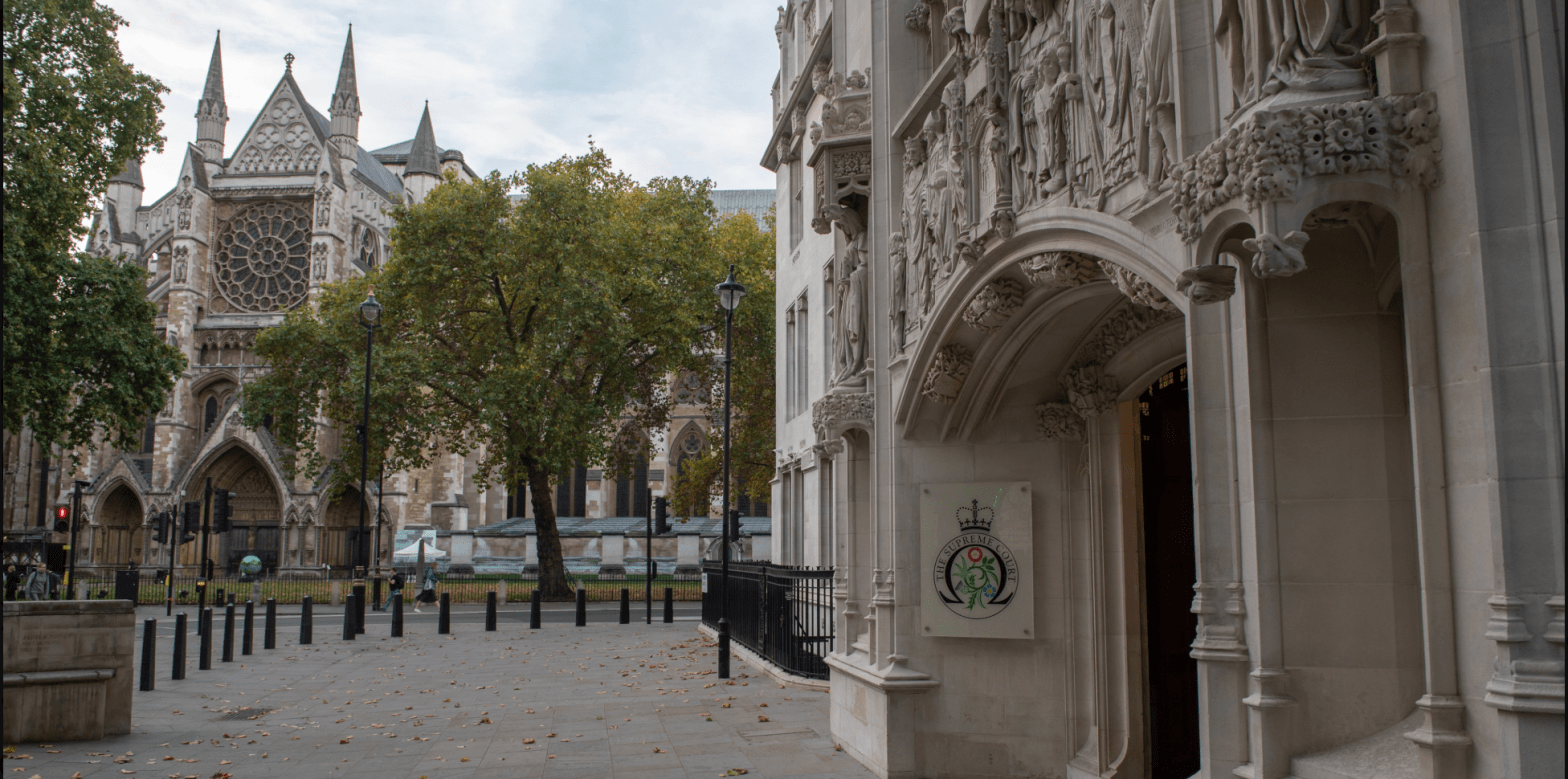
Justice is not a cloistered virtue; she must be allowed to suffer the scrutiny and respectful, even though outspoken, comments of ordinary men

