

P enjoys much of his life, his sports and his social time. His wishes and feelings are to live – but while living at home with his father he’s not been attending dialysis sessions regularly – despite a court order that his father must take him. Father remains in denial of the necessity for treatment and P’s high potassium levels could lead to early death.
Tag Archives: Disability Justice
Successful application to disapply Section 12(1) of the Administration of Justice Act: Making Polly’s statutory will application public

If Polly had been through her car crash and hospital treatment and recovered sufficiently to analyse and present what had happened to her, then we believe she would have told her own story publicly. The thought that a court reporting restriction would have left Polly beside herself with rage.
Jonathan Sumption talks to Celia Kitzinger about the work of a Supreme Court judge
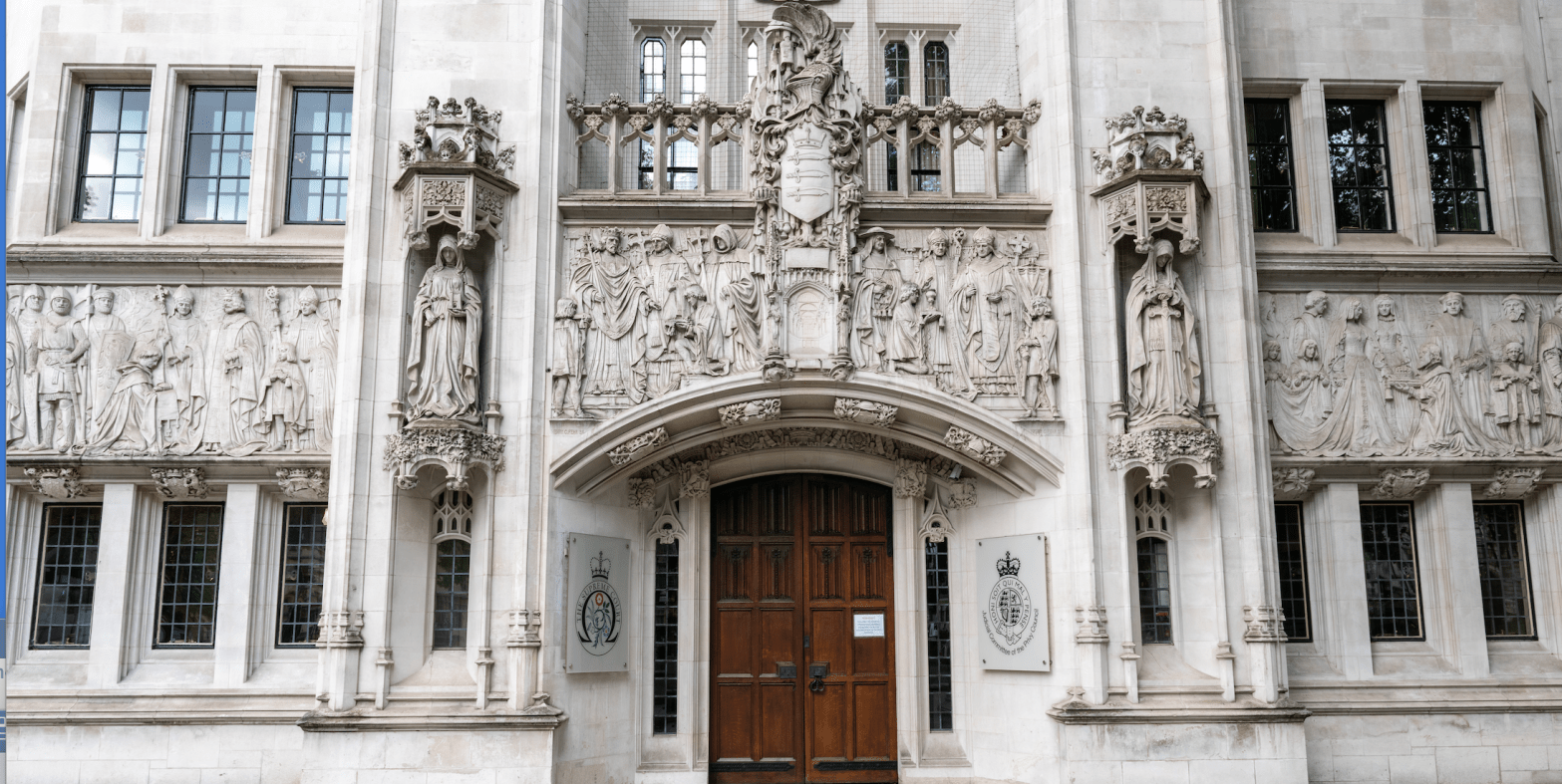
“if there’s a decision of the Supreme Court that is arguably wrong, the sooner we decide whether it is, the better…. There is no such thing as an infallible institution.”
Positive Obligations under Article 5 and The Attorney General’s Reference to the UKSC

The AIRE Centre is a specialist human rights legal charity, which uses the power of European law to protect individual and collective fundamental rights [The AIRE Centre]. The AIRE Centre intervened in Cheshire West and applied to intervene in the AG’s Reference but was refused permission.
Renal Failure Case Returns: Dialysis problems and Barnet’s non-compliance with a court order

Non-compliance from the public body was dealt with by judicial expressions of incomprehension (“I’m struggling to understand…”) about the Local Authority’s failure to act and about their failure to apologise for not doing so. This led to an acknowledgement of (some) fault by Barnet…
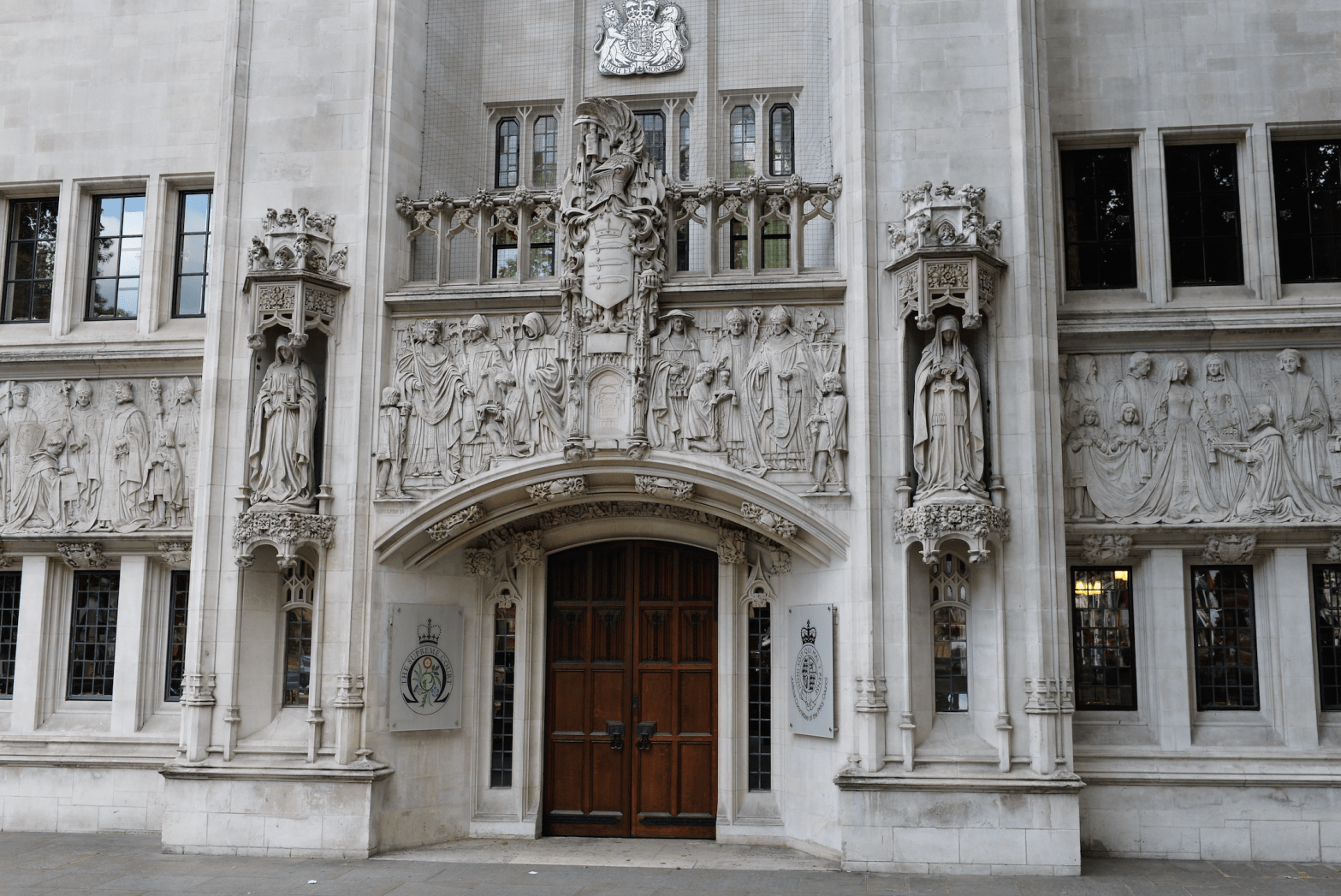
When open justice undermines public confidence: Scrutinising the Supreme Court
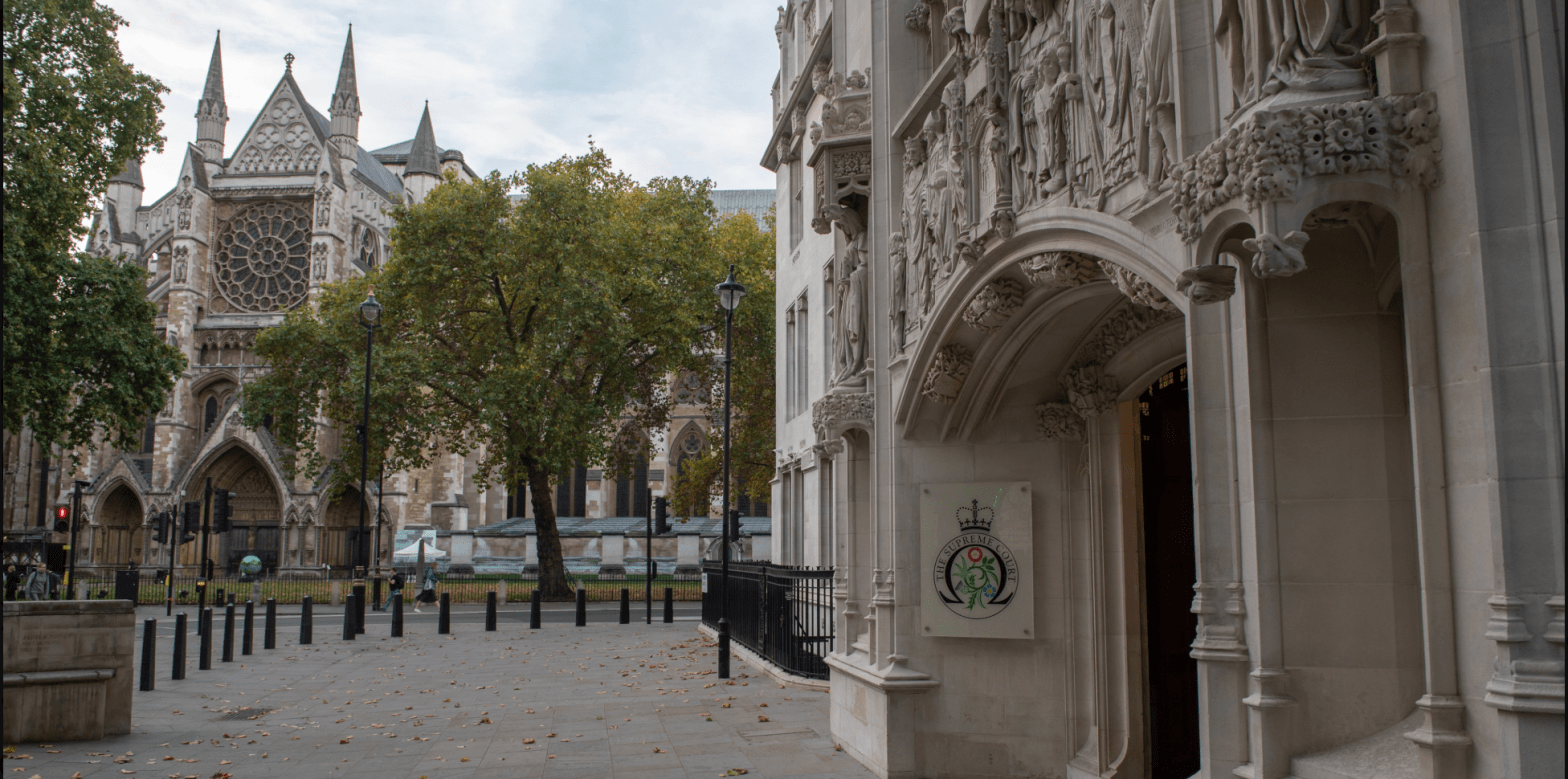
Justice is not a cloistered virtue; she must be allowed to suffer the scrutiny and respectful, even though outspoken, comments of ordinary men
A summary of the arguments heard by the Supreme Court
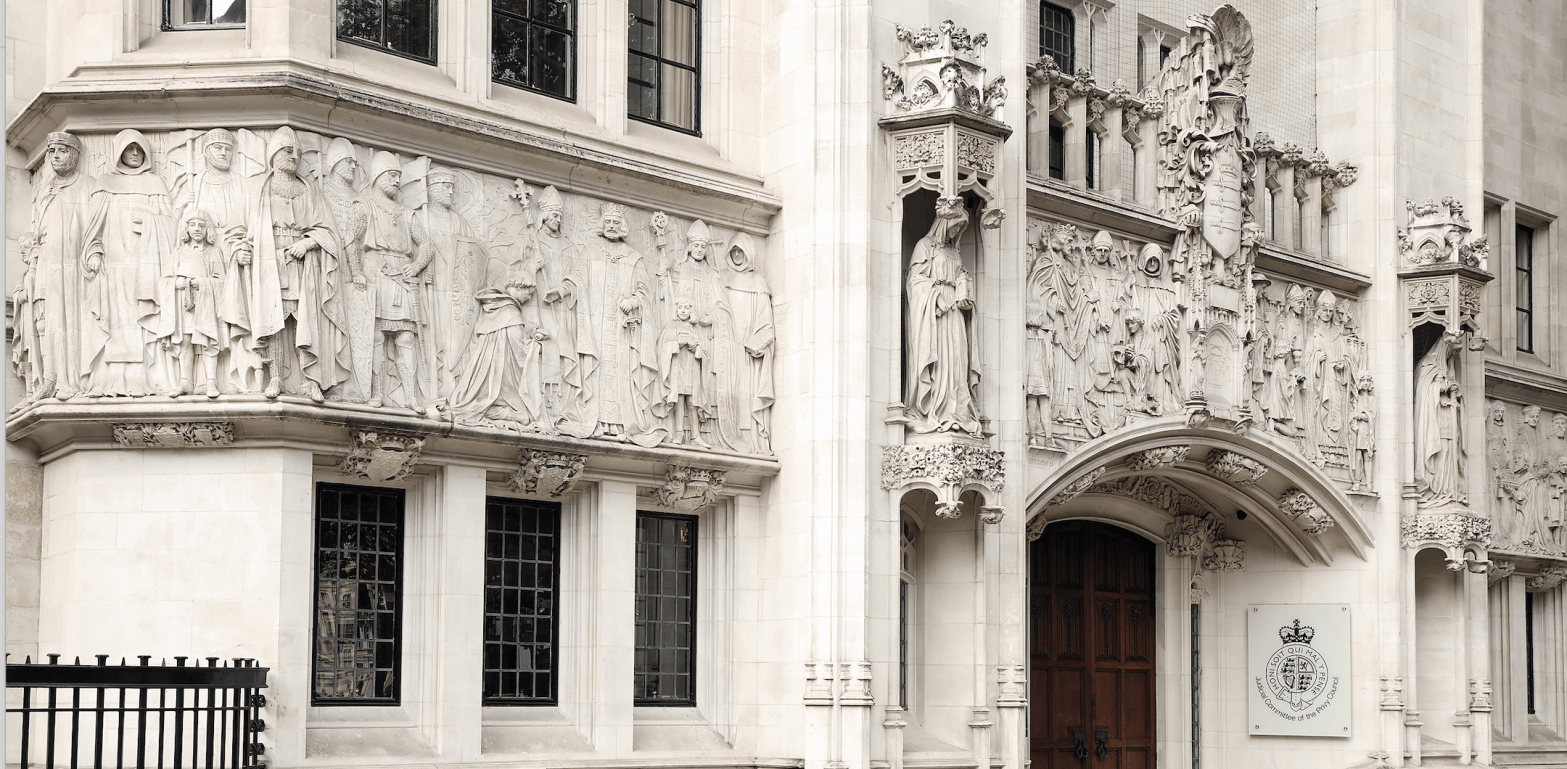
On 20-22 October 2025, the UK Supreme Court is hearing argument about how to understand a deprivation of liberty. This blog is a summary of the oral arguments that the court has heard, and will be updated as the case develops.
Cheshire West returns to the Supreme Court: The position of the parties
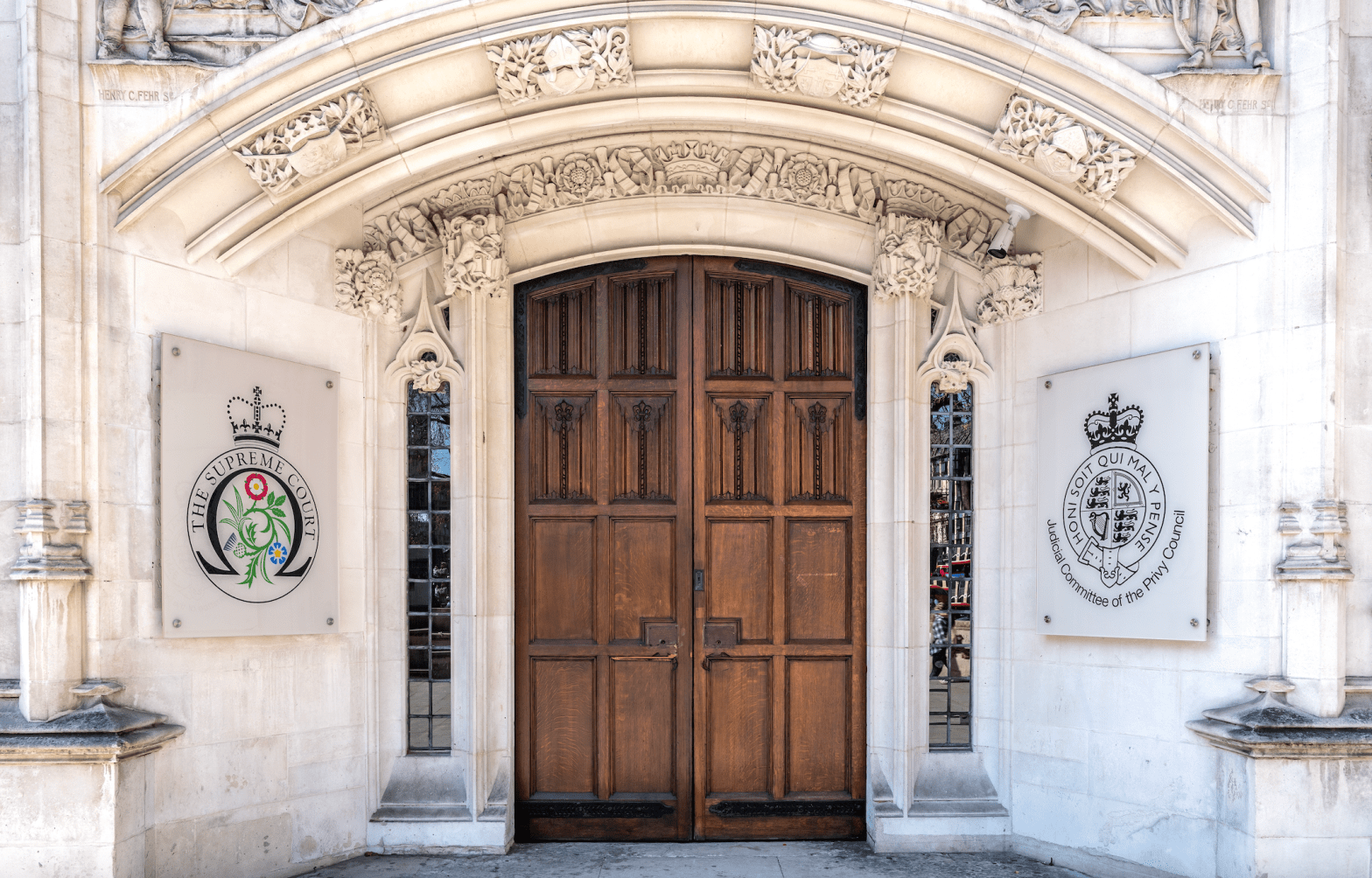
This blog contains brief summaries of the position of each party and intervener. In putting together this blog, I’ve tried to capture the essence of each position but not explain every step in the formulation of that position.
Place Your Bets: The Supreme Court vs The Spirit of Cheshire West

On Monday 20th to Wednesday 22nd October, the UK Supreme Court is gearing up to hear a case that could redraw the map of human rights protections for people deprived of their liberty, and I, for one, am terrified.
Reform, not rollback: Reflections from a social worker and former DOLS lead on the upcoming Supreme Court case about deprivation of liberty
This question strikes at the heart of the “subjective element” of deprivation of liberty. And it’s why charities like Mind, Mencap, and the National Autistic Society are sounding the alarm. As someone who has worked as a DoLS lead, Best Interests Assessor, and social worker, and now as a Practice Development Consultant at SCIE, I share those concerns.
 Promoting Open Justice in the Court of Protection