

By Clare Fuller, 3rd May 2022 I wanted to observe this hearing because it was listed as being concerned with the validity of a Lasting Power of Attorney. Here’s how it appeared in the Court of Protection list for First Avenue House in London: Midday20thApril 2022 Deputy District Judge Kaufman 13628180 CC -v- The Public GuardianContinue reading “Capacity to make a Lasting Power of Attorney”
Tag Archives: Disability Justice
A long wait for medical recommendations – still in hospital after 18 days

Claire Martin, 24th March 2022 This is the third in a series of hearings concerning Mr M, a man with severely ulcerated legs who is declining, or avoiding, medical assessment. He has a long-standing diagnosis of schizophrenia and depression and is said to be addicted to Class A drugs (heroin and/or crack cocaine). He lives in supportedContinue reading “A long wait for medical recommendations – still in hospital after 18 days”
Capacity to engage in sex: Putting the MCA’s foundational values to protect and empower to the test

By Samantha Williamson, 18th March 2022 Most of us couldn’t begin to imagine being told (as adults) that we are prohibited from spending private time with our chosen partner – and that we cannot be allowed to have sex with them. That’s been the case for 19-year-old T and her 25-year-old boyfriend since 19th November 2021. Continue reading “Capacity to engage in sex: Putting the MCA’s foundational values to protect and empower to the test”
Listen to him, listen to his mother: The William Verden hearing

Parents, in my experience, are the best judges, of what their children with disabilities can achieve. Our children are constantly under-estimated, set aside, and given insufficient care and support. William has, by any estimate, done an incredible job in tolerating the treatments to date. He has shown exceptional resilience and courage in the face of challenges any child would find difficult, let alone one with his particular disabilities. This should be recognised in determining whether the burdens are too great, as should his clearly asserted wishes.
Is a kidney transplant in his best interests?
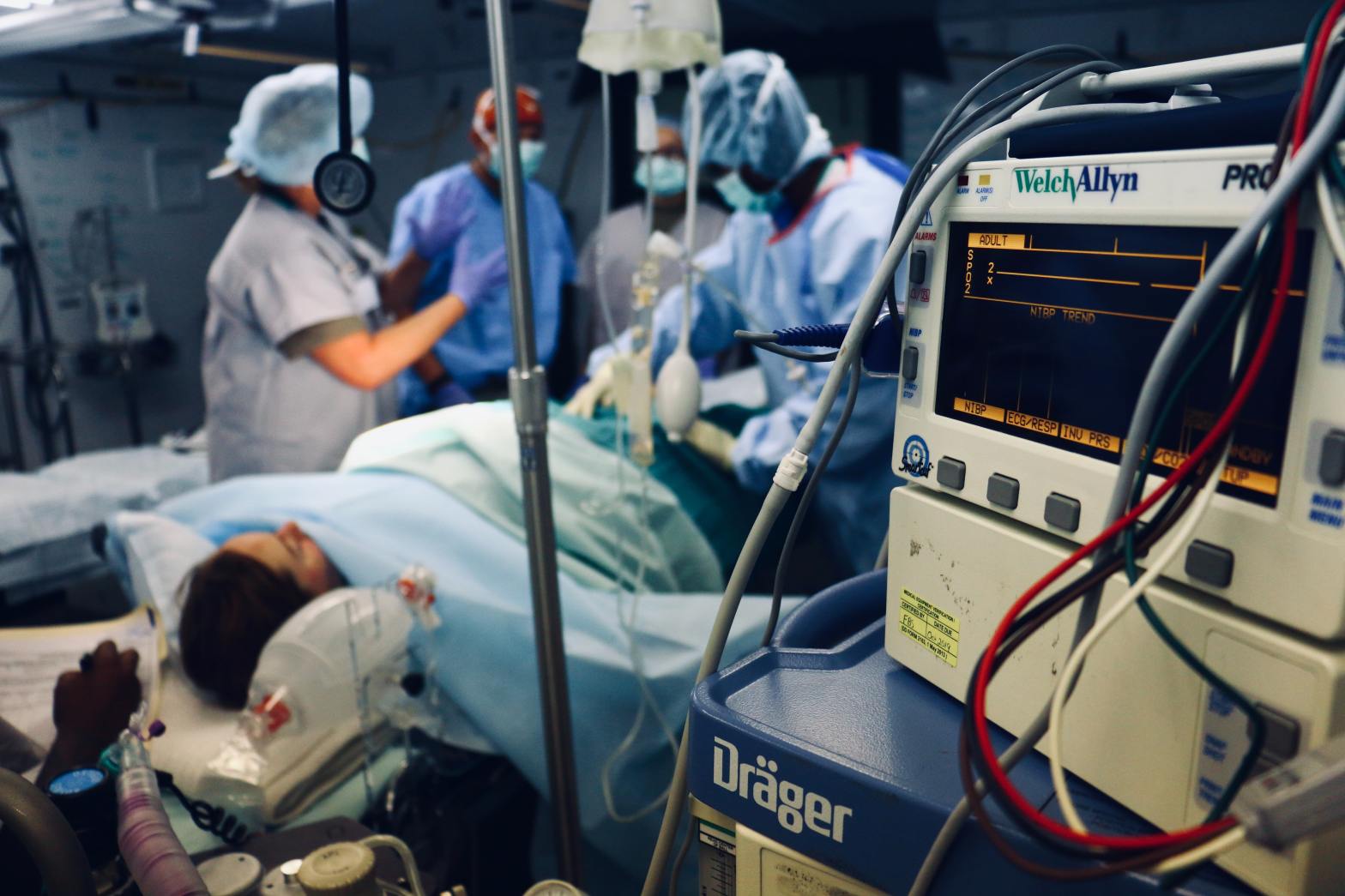
By Bonnie Venter, 1st-4th March 2022 UPDATE: The judgment in this case is now published: Manchester University NHS Foundation Trust v WV [2022] EWCOP 9 (08 March 2022). Latest news: “Autistic kidney-row teen’s transplant ‘a success’“ I’m watching a four-day Court of Protection hearing centred around the legal question of whether a kidney transplant isContinue reading “Is a kidney transplant in his best interests?”
Delay in finding a suitable placement for a young adult with Prader-Willi syndrome

By Aura Mackintosh Bamber, 22 February 2022 For any child’s family, a diagnosis of Prader-Willi Syndrome brings with it a number of responsibilities and worries that are involved in properly caring for and managing this complex disorder. These worries are only exacerbated when a decision is made to deprive that child of their liberty inContinue reading “Delay in finding a suitable placement for a young adult with Prader-Willi syndrome”
Prader-Willi Syndrome and Transparency

A young man with Prader-Willi Syndrome was at the centre of a hearing before Theis J. I can only tell you this because journalist Brian Farmer and I made submissions to the judge saying that we should be allowed to report it and she eventually agreed.
A home not a hospital: Service delivery goals for PH

reflect on how having some level of oversight from a professional who is somewhat independent, and who can initiate communication with separate bodies (i.e. care home management, local authority, health commissioning) can be pivotal in ‘making things happen’ for P, that wouldn’t have necessarily happened without such intervention.
Elective caesarean in her best interests
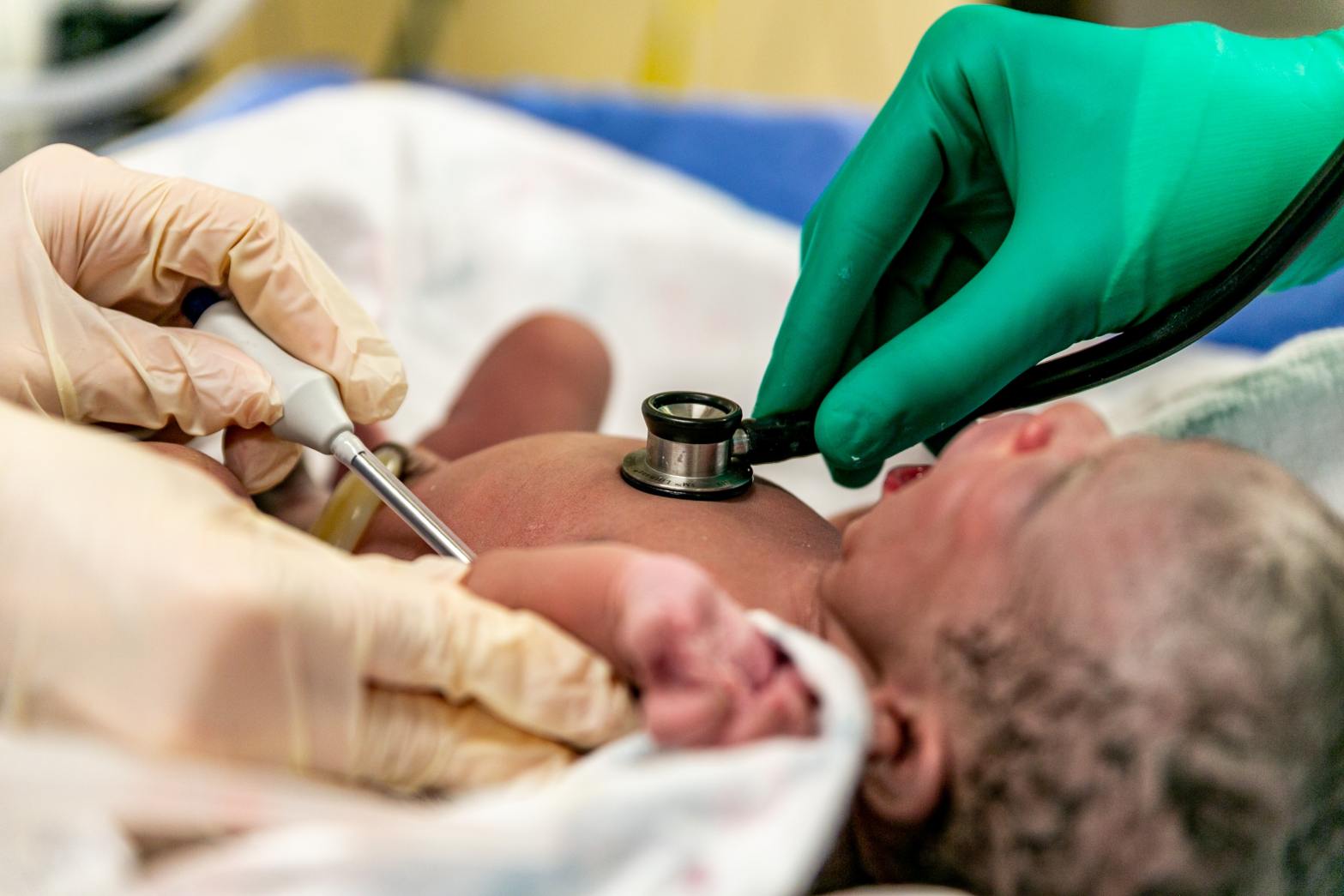
Despite guidance concerning applications for court-sanctioned interventions in childbirth, it’s common for cases to come before the court (as here) where women are within 4 weeks of their expected delivery, and judges regularly express concern that they are having to make decisions about childbirth for women close to (or even after) their due dates.
Fact-finding, ‘magnetic importance’, and the consternation of colleagues: A final hearing adjourned

At the heart of this hearing is the question of whether P can live with her mother, who loves her and wants to care for her. Attempts to elicit P’s wishes and feelings have been unsuccessful, but the social worker has said that “having observed the loving and affectionate relationship that [P] has with her family and that she has been cared for by them throughout her life, it is understood that [P] would wish to continue to stay with her family and be cared for by them”.

