

By Jenny Kitzinger, 20th August 2025 A couple of weeks ago I observed a hearing about ‘YD’, a 60-year-old man in a Prolonged Disorder of Consciousness at the lower end of the spectrum (a vegetative state). The Trust had made an application that it was in YD’s best interests to withdraw life-sustaining treatment, specifically clinicallyContinue reading “Commentary on Re YD (Refusal of Withdrawal of Treatment) [2025] EWCOP 31 (T3)”
Tag Archives: end of life
A patient with “unusual” spiritual beliefs: Is withdrawing a feeding tube in his best interests?

By Jenny Kitzinger, 8th August 2025 12th August 2025: The judgment has just been published (click on the case name): The Hillingdon Hospitals NHS Foundation Trust v YD & Others (Refusal of Withdrawal of Treatment) [2025] EWCOP 31 (T3). Jenny has written a commentary on the judgment (also covering media reception of it) here: “CommentaryContinue reading “A patient with “unusual” spiritual beliefs: Is withdrawing a feeding tube in his best interests?”
“He deserves a chance”? Continuities and shifts in decision-making about life-sustaining treatment

the family in this case was holding on to the smallest glimmer of hope to stave off the devastating certainty of loss if their loved one died. Like so many people, they also had a belief that their family member was the one who would defy the odds – he is a ‘fighter’ whose sheer determination will enable him to overcome catastrophic brain injury. They also conveyed their strong sense that the person they knew is still ‘in there’, in the warm and moving body, that looks so different from how one imagines a classic ‘coma’.
Available options and best interests in a disputed end-of-life treatment case

By Celia Kitzinger, 21 March 2022 The judgment is now published: London North West University Healthcare NHS Trust v M & Ors [2022] EWCOP 13 (21 March 2022) On 14th March 2022, I watched a one-day final hearing about a young man in a prolonged disorder of consciousness from which (doctors say) he will never recover. Continue reading “Available options and best interests in a disputed end-of-life treatment case”
Family dispute about life-sustaining treatment: A directions hearing

By Jenny Kitzinger, 22nd December 2021 The hearing I attended on 21st December 2021 before Ms Justice Russell was yet another case which underlines the dangers of not planning ahead for possible future loss of capacity. This is what can happen to any of us, at any time, if we are suddenly brain injured, whether fromContinue reading “Family dispute about life-sustaining treatment: A directions hearing”
Family witnesses in court: Four reflections on Re AH (A Rehearing)

Suggesting that the family is lacking in objectivity because they are in some way psychologically compromised serves the purpose of undermining and discrediting their evidence. This was not necessary to powerfully argue the Trust’s case that ongoing life-sustaining treatment is not in AH’s best interests. The medical evidence stood alone.
Navigating a family feud on P’s death-bed

By Celia Kitzinger, 9th November 2021 She’s in her eighties, with significant cognitive decline, and delirium secondary to numerous infections and “in all likelihood in the last weeks of her life,” said the judge. She lacks capacity to make her own decisions about who she has contact with. One of her daughters, Ann[1], and Ann’s daughter (P’sContinue reading “Navigating a family feud on P’s death-bed”
A best interest decision about life-sustaining treatment for a person with profound neurological injury following COVID-19 infection

d is enormous and awful to read about” such that she “will never be able to live outside of residential care” and “things that have been dear to her, she will never be able to enjoy in the way she would have contemplated”. But he clearly stated that this “hypothetical factual matrix” (i.e. even if these facts are all true), “does not automatically indicate a clear best interests outcome”.
Court-enforced amputation or patient autonomy?

At the end of the hearing, in her closing summary, Emma Sutton acknowledged that it was a “finely balanced” decision but came down on the side that amputation was NOT in her best interests – most especially as it went counter not only to her current wishes and feelings, but also to her clearly expressed capacitous decisions as recently as last year.
Faith, Science and the objectivity of expert evidence
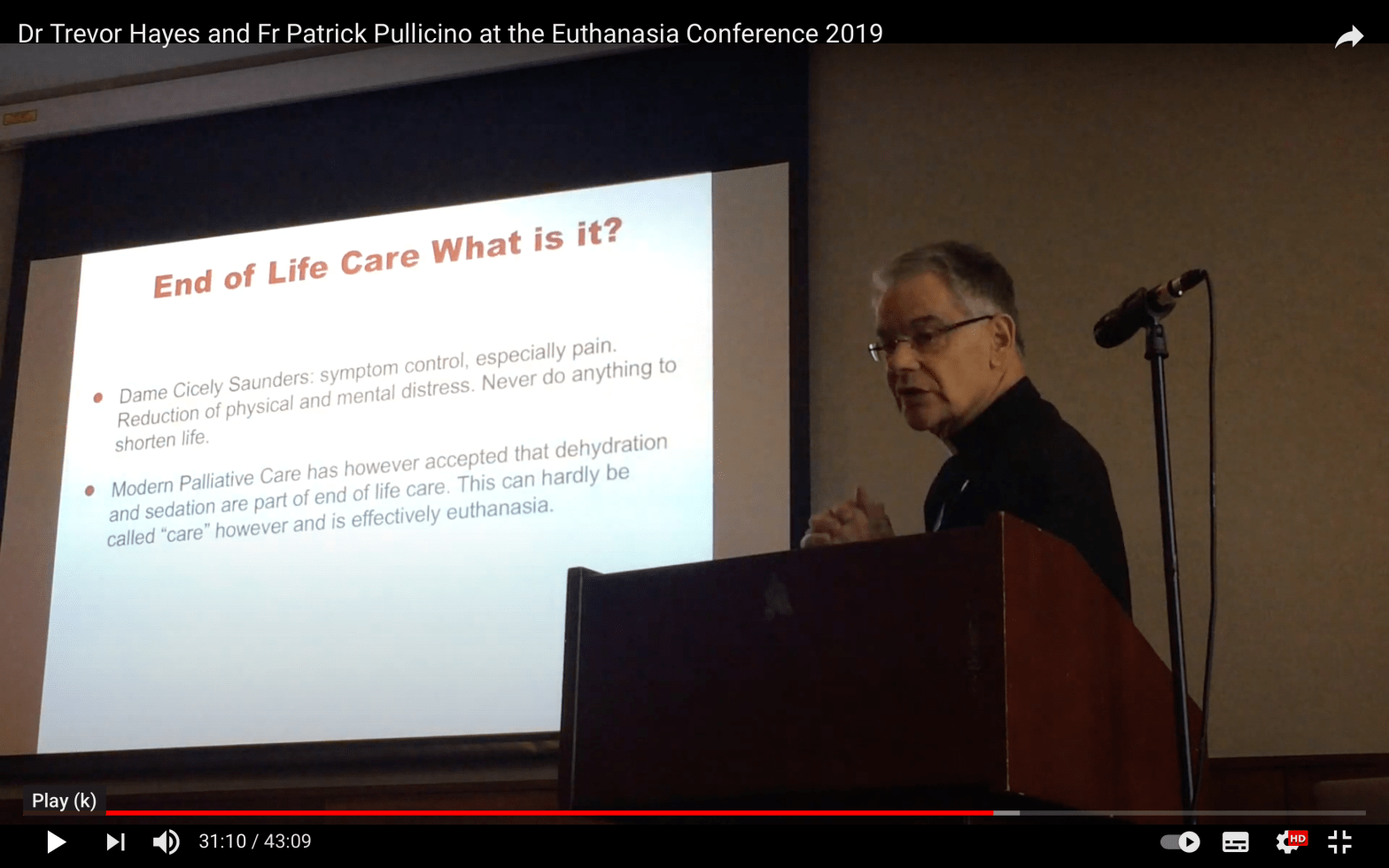
“If organisations like Christian Concern are willing to spend time and money on conducting their ‘pro-life’ campaigns via courtroom litigation, and can find experts willing to act for them, there may be very little the Court of Protection can do to prevent them.”
 Promoting Open Justice in the Court of Protection