

In a single month, I observed five hearings involving nonagenarians – people in their nineties. I can’t imagine that anyone would choose to be involved – or to have their family members involved – in Court of Protection proceedings as they approach the end of their life. I’m not sure, though, having considered these five cases carefully (and looked at others we’ve blogged about) that there’s much we can do to avoid it.
Tag Archives: Mental Capacity
A public interest case with significant redactions

This case will return to court on a day I can’t tell you before a judge I can’t name. To find the case, you’ll need to look at the listings for a hearing centre I can’t tell you, and ask to observe the case by reference to case number that I can’t give you.
Systems-generated trauma and closed proceedings: Hywel Dda University Health Board v P & Anor [2024] EWCOP 70 (T3)

The published judgment is the formal public version of what happened to Zoe and her daughter, as told from the perspective of a Court of Protection judge in July 2024. This is Zoe’s story (and mine, as I experienced the court proceedings alongside her).
Jonathan Sumption talks to Celia Kitzinger about the work of a Supreme Court judge
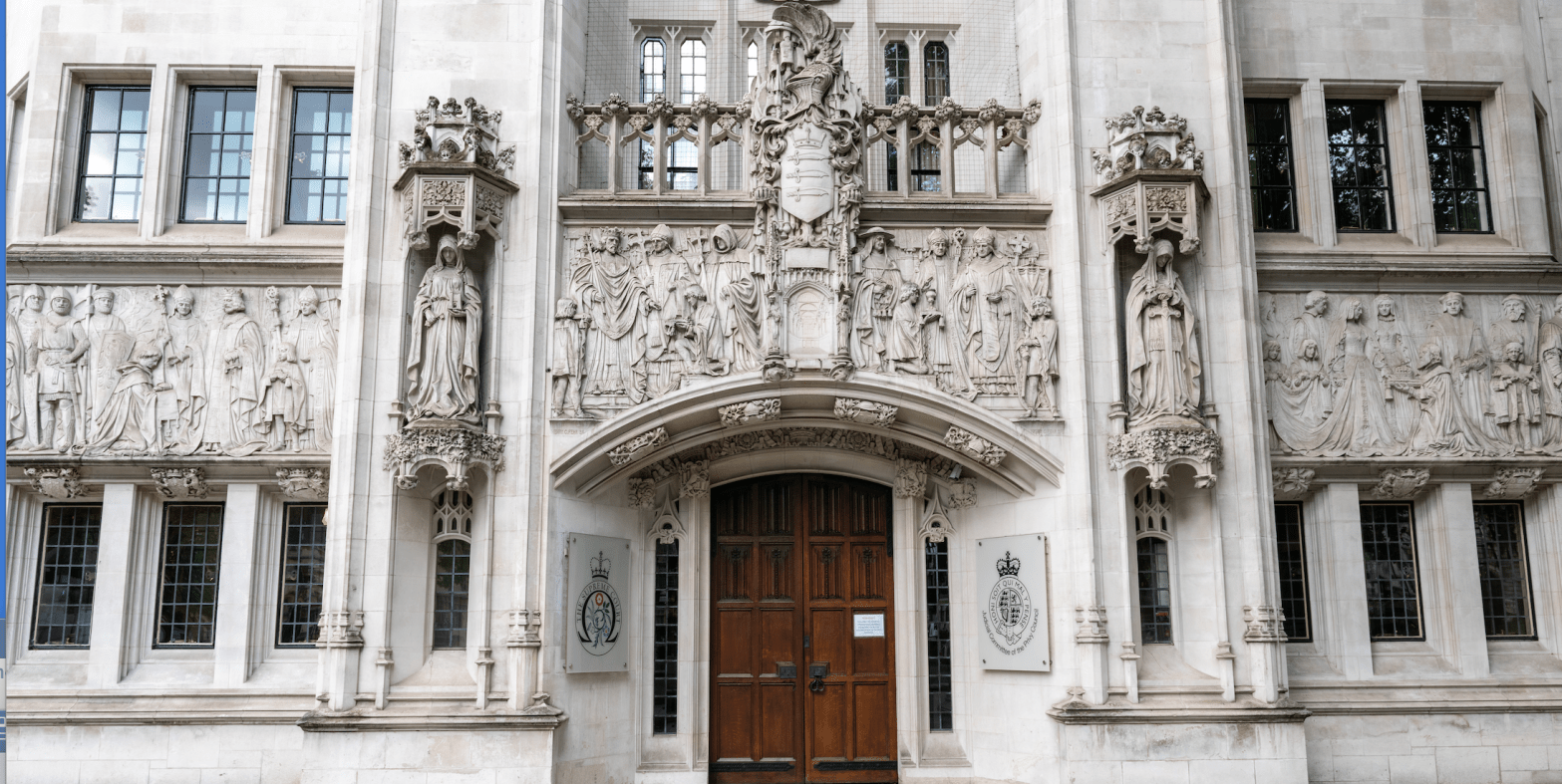
“if there’s a decision of the Supreme Court that is arguably wrong, the sooner we decide whether it is, the better…. There is no such thing as an infallible institution.”
Applying for a statutory will: Observation and personal experience

In 2022, I applied for a statutory will on behalf of my sister, Polly Kitzinger, who has an acquired brain injury dating from a car crash back in 2009. It was a simple and uncontested case. The judge decided it on the papers, without a hearing.
Rebuilding “trust” after abuse is revealed on CCTV and there are no available options for alternative care provision

There is CCTV showing staff failing to intervene when JC soiled himself, staff sleeping, inappropriate use of their phones… Some staff have been removed from his care package. Others have received final warnings and further training”. These “others” are still caring for JC.
Writing support plans, an appropriate 1.2 rep, and educational provision

At the December 2024 hearing (which I did not observe), the judge had directed that an up-to-date Care Act assessment and support plan be filed with the court in time for the next hearing. That hadn’t happened by the time of the April hearing, and he wanted to know why not.
Renal Failure Case Returns: Dialysis problems and Barnet’s non-compliance with a court order

Non-compliance from the public body was dealt with by judicial expressions of incomprehension (“I’m struggling to understand…”) about the Local Authority’s failure to act and about their failure to apologise for not doing so. This led to an acknowledgement of (some) fault by Barnet…
Contact Restrictions between P and their Family in the Court of Protection: How Decisions Are Made

Contact is a recurring issue in Court of Protection proceedings. I have been working in this area for eight years and my rough estimate would be that a dispute around contact (justified or otherwise) has arisen in around 30-40% of the cases I work on.
The well-recognised wish to go home

For many people with dementia, the emotional connection with home remains long after the dwindling of the memory that the physical space is no longer accessible. It can be distressing when care staff do not understand or are perceived of obstructing attempts to return to that place. But none of this changes the desire to be home, and none of this changes the possibility that the care home can become a place that one might see as home.
 Promoting Open Justice in the Court of Protection