
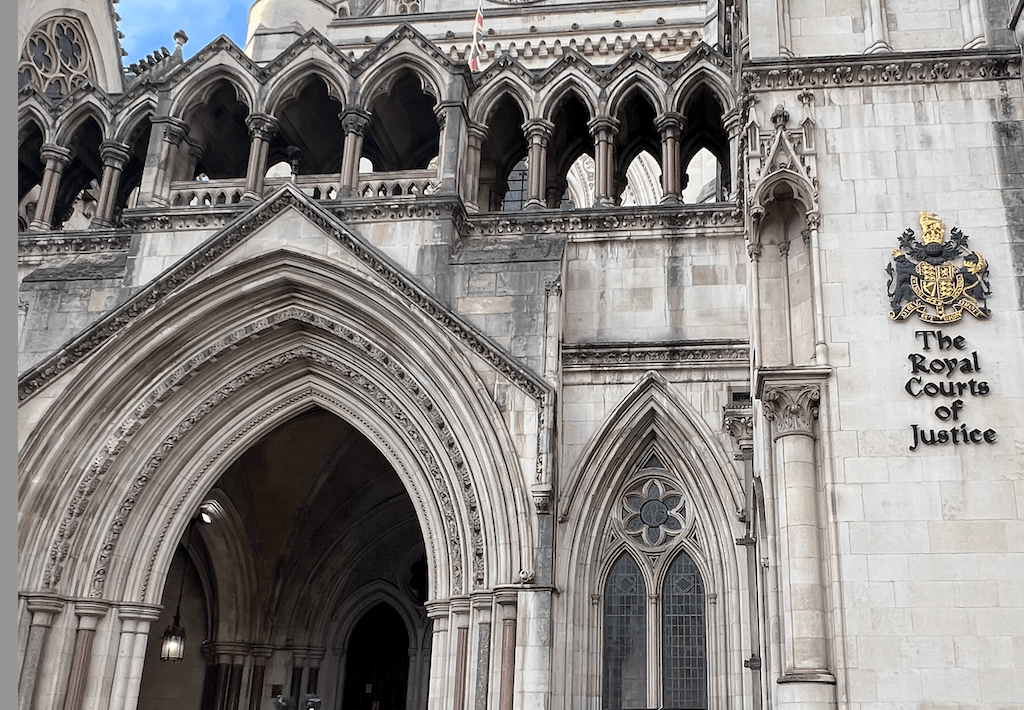
According to the appellant, an “urban myth” had developed about the application of the ‘open justice’ principle to Court of Protection hearings. Flowing from that urban myth, and exemplified by this case, was the proposition that non-parties have rights to access hearings (and materials relevant to hearings) before the Court of Protection, exercisable upon request, and for their benefit (Written submissions of Alex Ruck Keene KC (Hon))
Tag Archives: right to freedom of expression
Researching the Court of Protection: Accessing hearings as a PhD student

By Rhiannon Snaith, 9th December 2022 I’m starting a PhD looking at the media reporting of Court of Protection decisions about life-sustaining treatment. I’m lucky enough to have an ESRC scholarship to do this work, under the supervision of Professor Jenny Kitzinger at Cardiff University. As part of my project, I obviously want to study hearings, understand howContinue reading “Researching the Court of Protection: Accessing hearings as a PhD student”
Statement from the Open Justice Court of Protection Project concerning an inaccurate and misleading blog post

We will now investigate how it came about that an observer was admitted to a public hearing in which a salient (‘magnetic’) fact of the case was meticulously concealed (by order of the court), leading – surely inevitably – to inaccurate reporting.
Challenging Reporting Restrictions in the Court of Protection

“Something has plainly gone wrong in this case. The public, particularly the taxpayers who fund the local authority with responsibility for KB’s welfare, have a right to know the name of the local authority. In the real world, people won’t try to work out KB’s identity, they’ll moan about the council: and they should be able to do that. If the local authority isn’t named, residents can’t tweet their concerns; people can’t tell newspapers that they’ve also had issues; the local MP can’t ask questions; even the councillors on the local authority may not know that the local authority involved is their local authority: they certainly can’t debate the issue at a public meeting”
 Promoting Open Justice in the Court of Protection