“I am fearful for my daughter’s life”: Serious medical treatment in a contentious case

By Celia Kitzinger, 23rd August 2022

Note: At the time this blog post was written there was a transparency order preventing us from publicising anything that identifies or is likely to identify the protected party and the parents. These reporting restrictions have been subsequently varied to permit us to name Laura Wareham as the protected party and her parents as Erica Wareham and Conrad Wareham.

A woman in her 30s has been in hospital for more than three months – for the last four days in the High Dependency Unit, where she is intubated and mechanically ventilated.  She has “a hugely complicated medical background”, including a rare inherited disease, and a diagnosis of “autistic spectrum disorder”.  

According to the introductory summary helpfully provided by Emma Sutton of Serjeants’ Inn Chambers, who represents the applicant Health Board (Betsi Cadwaladr University Health Board), she has “at least 19 different physical conditions”.  The mother said there were far more.

In addition to intubation and ventilation, she is receiving treatment for an acute kidney injury and sepsis.  

She is also being given Valproate (described in court as an anti-mania medication). 

The case  (COP 1397774T) was before Mr Justice Stephen Cobb on 18th August 2022.  It had been agreed from the outset that no substantive decisions would be made at this hearing and another hearing a few weeks later was planned.

The time spent at the hearing on 18th August 2022 was to make an interim order that the current treatment plan was in the patient’s best interests. Various preliminary issues were also attended to, including disclosure to the Official Solicitor of the patient’s medical records, witness evidence from the parties, and a roundtable meeting to determine whether there are disagreements between the family and the Health Board regarding the patient’s medical care and treatment, and if so what those are.

The hearing

The woman at the centre of the case (the first respondent) was represented, via her litigation friend the Official Solicitor, by Vikram Sachdeva QC of 39 Essex Chambers. 

Her parents (who were joined as parties as the second and third respondents) were in court as litigants in person.  They appeared together on the same computer screen.  Both are medically trained: her father as a consultant and her mother as an ITU nurse (both I think now retired).

By the time of the hearing, the Health Board’s application to continue to provide the patient with life-sustaining medical treatments was not opposed by any of the parties.

As counsel said, there is “clearly some potential for dispute over what treatment the patient gets…. But it is not clear at this stage what the specific disputes are[i].  

It was obvious at the hearing that the parents do not believe their daughter is getting the right care, and that they don’t think the hospital she is in is capable of providing it.

Both parents expressed concerns about her care – including (said her father)  “some of the treatment acutely at the moment, and historically since she was admitted”.  This included an alleged ketamine overdose.  The father referred, diplomatically, to a “suggested ketamine overdose” and was challenged by the mother: “it’s not suggested – it’s a fact”.  Mr Justice Cobb made clear that “it’s not a finding of the court, and unless or until it is, I suppose it’s ‘suggested’”.  

Father:  There’s an urgent need to address those things, as she’s clearly not improving.  There are limitations in the place where she is to provide the care that she needs.  Prior to her deteriorating, she was very well-read about her condition, including peer-reviewed research, and had strong views.  And what we have done since her capacity was lost…

Mother: (interrupts) Was taken from her.

Father:  … is to echo the views she expressed.  Her capacity returned on Friday, but we were not able to get the Health Board to review her capacity and clinical deterioration since means she has lost capacity again.  She expressed the view that she wanted to leave the hospital.  We explained to her the seriousness of her condition and she-

Mother (interrupts): She said, “oh well, I can’t go home at the moment then, but I want to go somewhere else”.

Judge: Was this said with someone else there?

Mother: Yes, [Name] was there. They don’t use surnames but she’s a health worker who has been there a lot.

The parents’ view is that their daughter should move to a new hospital, and they are concerned about waiting more than three weeks for the next hearing.

Mother: I just need to say one thing.

Judge: Why don’t you say it now.

Mother: Her CRP [C-Reactive Protein] which is evidence of infection, has been rising nonstop and is now up to 189 which is incredibly high. She may not be alive by Tuesday. [..]

Father: We are concerned- While respecting the need for due process, we are concerned that events could overtake us. 

The judge explained that if there’s a deterioration in their daughter’s condition it would be open to the parties to come back to court to seek further orders in an urgent hearing  – the court is open 24 hours a day and an out-of-hours court hearing could take place.  

The mother was shaking her head displaying (it seemed to me) her view of the unacceptability of this arrangement.

The father asked “How would we be able to raise that concern? We need to understand the mechanism?

Before the judge had a chance to respond the mother intervened.  She said: “They don’t understand. They have no concern. They are treating her as if this is all psychiatric. They have not tried to educate themselves in any way, shape or form about her [underlying diagnosis].  They’ve tried to cover up all their mistakes and lie about it. I’m sorry, but that’s the truth. [My daughter] is not safe there. She never will be safe there.  I am fearful for my daughter’s life”.

The judge did not engage with the mother at this point, but returned to the father’s question about how to get an earlier hearing if it was needed.  The procedure he recommended was to indicate to the Health Board and the Official Solicitor that the case needs to come back to court, and if they don’t move quickly enough to use the Out of Hours Service.  As he was speaking, the mother became increasingly agitated.

There is no justice. I’m sorry.  But carry on.  Do whatever you need to. Just carry on. I’m not taking part in this. You just listen to the doctors because they are doctors.  I’m sorry, I’ve had enough”.  She stood up and was no longer visible onscreen, although we could hear her shouting (I think to her husband) for the next few minutes, until he turned off the audio. Later she was on screen again, and obviously very distressed and crying, shaking her head in apparent disbelief at what was going on.

If it returns to court, this is likely to be a complicated and contentious case. The (so far largely unarticulated) dispute between the family and the hospital seems to be at the heart of this case.

The PA journalist, Brian Farmer – the only other observer – has published his own account of this hearing, drawing attention to the fact that the Betsi Cadwaladr University Health Board has already been roundly criticised by another Court of Protection judge in a different case: see“Retired nurse tells judge her daughter ‘is not safe’ in hospital”.  The earlier judicial criticism to which the journalist refers is in this judgment: PH v Betsi Cadwaladr University Health Board [2022] EWCOP 16

Postscript:

The next hearing in this case took place on 14th September 2022 in the Royal Courts of Justice in person. Journalist Brian Farmer observed the hearing and wrote this report.

Judge criticises consultant concerned about how doctors are treating his daughter at Welsh health board

Brian Farmer’s report includes the names of the parents, their daughter and the name of the Health board because Brian Farmer made an application to vary the Transparency Order to permit this. We will cover the issue of transparency as it applied in this case in another blog post.

You might like to read more about the woman at the centre of this case, Laura Wareham, and her advocacy for people with Ehlers-Danlos syndrome.

Rotherham woman with rare condition steps up ‘life changing’ surgery campaign

Woman who dislocates her shoulder every night says Nottingham doctors ‘saved her life’

Celia Kitzinger is co-director (with Gill Loomes-Quinn of the Open Justice Court of Protection Project. She tweets @kitzingercelia


[i] Quotations from the hearing are as accurate as I can make them, given that we are not allowed to audio-record hearings. They are taken from contemporaneous touch-typed notes and they are unlikely to be completely verbatim.

Unusually, this applicant had to pay costs in a Property and Financial Affairs case – the penalty for wasted work

By Georgina Baidoun, 19th August 2022

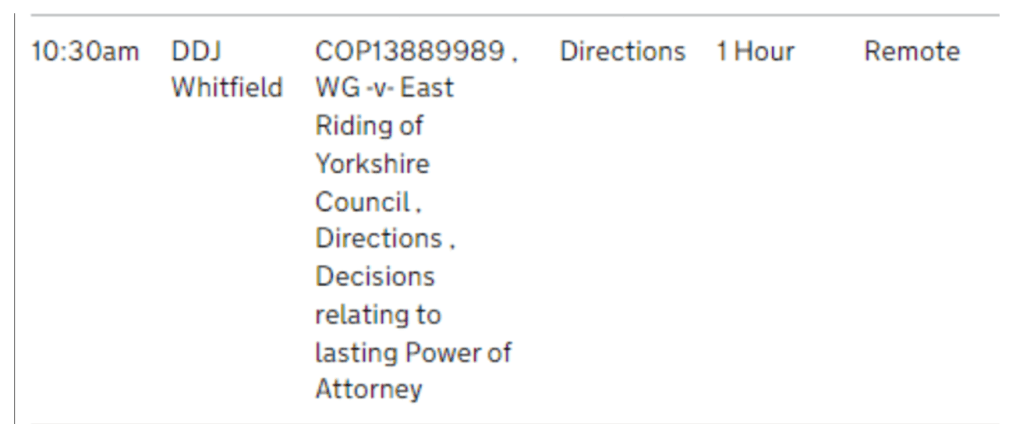
The CourtServe listing for this case was tweeted by the Open Justice Court of Protection Project like this:

Having acted as Court of Protection Deputy for my mother’s Property and Financial Affairs, and having been threatened by the Public Guardian with my removal (otherwise known as ‘discharge’), I decided to ask to observe this case. It wasn’t clear whether it concerned a Property and Financial Affairs Deputy or a Health and Welfare Deputy, but I was in luck because it was Property and Affairs and, this being my third time as an observer, I felt reasonably confident that I would understand what was happening.

The session was late in starting – but I now understand that is not unusual, so I waited patiently until suddenly everyone was on screen and Circuit Judge HHJ Vavrecka was asking me to acknowledge my presence! Fortunately, I had already learnt that the court prefers to be able to see everyone in attendance, so I had left my camera on and just had to struggle to unmute. There was one other observer who responded with her camera off and was asked to turn it on. The judge made a general statement about not recording the proceedings or doing anything that would identify the participants, to which we agreed.

To a considerable extent I was wrong to think my experience would be helpful, because the case was largely concerned with court procedure, about which I still know next to nothing. In order to write this, I have sometimes had to search for background information, which has had the added benefit of illuminating some of my own experience. 

The case made against the Deputy by the applicant – an unrepresented lay person who was as far as I can tell a friend or family member of P – was completely unsubstantiated, which turned out to be the nub of the matter.

Background to the hearing

I wasn’t sent a Transparency Order (I’ve now observed 3 hearings and never seen one), nor was I offered a copy of the position statement, and my request to the legal team after the event was not successful. 

The judge helpfully opened the hearing by outlining the main events prior to this final hearing but I needed what was said later in court to fill out some of the details and I still have some uncertainties.

In 2019, P was diagnosed with dementia. I found out nothing else about P except that she was a woman.

In 2020, P came to the attention of social workers. According to the applicant, he attended a meeting in October that year where the decision seems to have been made that P lacked capacity to manage her property and financial affairs and that it was necessary, therefore, to apply to the Court of Protection to appoint a Deputy. The applicant said he disagreed with the decision but was outnumbered. I found out nothing about the applicant except that he was a man and was in frequent contact with P.

In January 2021, the applicant claimed that “he had had P reassessed” and that she was deemed to have capacity. I believe he said that he “then applied for a Lasting Power of Attorney” (but it would have been P who completed the application).

In June 2021, the Court of Protection appointed a Deputy. The Deputy was in court but was represented by her barrister, Simon Hunter of Three Stone Law, and she did not participate in person.

In September 2021, the applicant applied to the Court of Protection asking that another capacity assessment be carried out. He also asked that the Deputy should be replaced but did not put himself forward as a replacement. 

In January 2022, the case was allocated to a regional court and a Dispute Resolution Hearing was arranged.

In April 2022, an unsuccessful Dispute Resolution Hearing took place before District Judge Moses, as a result of which it was ordered that P’s General Practitioner should conduct another capacity assessment (which had now been done) and that the applicant should set out details of his allegations of misconduct against the Deputy. The applicant was given until 26 May 2022 to produce his evidence and the Deputy would then have an opportunity to respond. The applicant did not produce his evidence. He now claims that at the Dispute Resolution Hearing and later he had said that he did not want the case to continue, but Judge Vavrecka was clear that no formal application to withdraw the application had been made.

On 10 August 2022, the day of this final hearing, the Deputy had filed a position statement (not made available to me) asking for the application to be dismissed and full costs of £9,293.40 to be awarded against the applicant.

At the final hearing (10th August 2022)

The Deputy’s barrister told the court that, at a meeting immediately before the hearing, he had refused the applicant’s request for the hearing to be delayed. The applicant had also asked to be made joint Deputy with the current Deputy and this too had been refused.

The applicant stated that he disagreed with the GP’s assessment of P’s mental capacity. He said that P has “good and bad days” and, also, doesn’t want to talk to strangers about her financial affairs.

Judge Vavrecka responded that the GP had been trained in the type of assessment required and that the form (COP3) on which the findings were reported gave space to say whether it was possible that capacity could change. The GP had made it clear that P does not have capacity to manage her own financial affairs and that capacity would not be regained.

Judge Vavrecka stated that it appeared that the applicant had had no intention of complying with Judge Moses’s order at the Dispute Resolution Hearing and that, if he had said so at the time, a large part of the costs of the case could have been avoided. In response, the applicant claimed that he had made his position clear and had said that he could not provide evidence of his claims because no-one would support him. He reiterated his request to be partner in a joint Deputyship on the grounds that he knew and understood P and her affairs better than anyone and saw her frequently. The same could not be said for the current Deputy.

Judge Vavrecka replied that knowledge of P was not a necessary qualification for a Deputy. The important qualification was a proper understanding of her property and financial affairs and an ability to manage them. The applicant had claimed that the currently appointed Deputy was dishonest and incompetent but had produced no evidence and had, in fact, expressed a desire to work with her, which appeared to be contradictory. It would clearly not be in P’s best interests to have two deputies who were in conflict: “a recipe for further applications to the court”.

The judge also pointed out that Deputies have to report to the Office of the Public Guardian (OPG), and their behaviour can be investigated if complaints are made against them. It was not part of the current hearing to enquire into any communication the applicant had already had with the OPG.

Judge Vavrecka dismissed the case.

Costs

The next part of the hearing concerned costs.

Judge Vavrecka referred to §19.2 Court of Protection Rules 2017: “Where the proceedings concern P’s property and affairs the general rule is that the costs of the proceedings, or of that part of the proceedings that concerns P’s property and affairs, shall be paid by P or charged to P’s estate.

§19.5 Court of Protection Rules 2017 provides for departures from the general rule.

19.5.—(1) The court may depart from rules 19.2 to 19.4 if the circumstances so justify, and in deciding whether departure is justified the court will have regard to all the circumstances including—

(a) the conduct of the parties;

(b) whether a party has succeeded on part of that party’s case, even if not wholly successful; and

(c) the role of any public body involved in the proceedings.

(2) The conduct of the parties includes—

(a) conduct before, as well as during, the proceedings;

(b) whether it was reasonable for a party to raise, pursue or contest a particular matter;

(c) the manner in which a party has made or responded to an application or a particular issue;

(d) whether a party who has succeeded in that party’s application or response to an application, in whole or in part, exaggerated any matter contained in the application or response; and

(e) any failure by a party to comply with a rule, practice direction or court order.

The judge considered that the conduct of the applicant justified departure from the general rule. There was no evidence that he had tried to ‘vacate’ (withdraw his application) until he had been faced with the prospect of paying costs.

There was then the question of deciding whether the applicant should pay the full costs, as requested by the Deputy, or whether the costs should be apportioned. The Deputy, through her barrister, agreed with apportioning the costs so that those arising before the Dispute Resolution Hearing should be charged to P and those arising after that hearing should be charged to the applicant. Without detailed costings, it was then agreed the judge would split them ‘on a summary basis’. The applicant was therefore required to pay £6,000, including VAT.

The applicant said that he did not have £6,000 and Judge Vavrecka suggested that he agree a payment schedule with the Deputy outside of the court.

Conclusions

I have now observed two cases where the appointment of a (professional) Deputy has been opposed by friends or family who were not initially prepared to perform the role themselves. In the first case, two members of the family eventually decided that they would make an application. In this second case, the friend or family member’s belated request to be joined with the court-appointed Deputy was dismissed.

This seems to demonstrate a problem that might also explain why some people are not able to create Lasting Powers of Attorney. It is necessary to get someone you trust to agree to take over your financial affairs and this is not something with which many lay people are comfortable; it’s only when they see strangers doing it that the reality kicks in.

The two cases also demonstrate how ignorant many people (I would guess the vast majority) are of the work of the Court of Protection in this area, even when they begin to get involved in it. That ignorance proved costly in this case. 

Speaking from my own experience, I now realize that, when I started what seemed to be merely a bureaucratic exercise of the sort with which we are all familiar (tax matters, planning applications etc), I was in fact already in the foothills of fully fledged court proceedings that could seamlessly lead to actual court hearings. One thing I, and I believe the applicant here, did not understand is that you cannot simply inform the court that you want to desist with your application; you have to make a formal application to withdraw it. In my case, my application to withdraw was refused and I was at a complete loss as to why. I now realize that at least part of the reason might have concerned costs, as it did here.

Also, in the course of wondering why the applicant in this case got into such a costly situation, I checked to see what would happen if he had not turned up to the hearing, something I gathered he had contemplated. If I am right, the Civil Procedure Rules and Family Procedure Rules apply as follows:

PART 27 – HEARINGS AND DIRECTIONS APPOINTMENTS

(4) Where, at the time and place appointed for a hearing or directions appointment, one or more of the respondents appear but the applicant does not, the court may refuse the application or, if sufficient evidence has previously been received, proceed in the absence of the applicant.

From what the applicant said, I think another of his misconceptions was that the requirement placed upon him to produce evidence meant that he had to have witnesses. In the users’ guide, Court of Protection Made Clear it says: “Evidence is the narrative account of the events for (sic) which the applicant is asking the court to consider… ” (Section 8.18 of the revised Ist edition)

This account/evidence needs to be written on form COP24 which is entitled “Witness Statement” and says: “If you are filing written evidence with the court then it should be included in or attached to this form“.

I think there is scope for confusion here. Judge Vavrecka did say that the applicant had been advised to seek legal assistance and, with hindsight, it was advice that would have saved him a lot of money.

Georgina Baidoun was the lay Court of Protection Deputy for her mother’s Property and Financial Affairs until her mother died last year. Because of the difficulties she experienced with several applications to the Court, and with the Office of the Public Guardian in connection with her annual report, she has retained an interest in these areas, including attending recent Court of Protection Users Group meetings. She is keen to share her experiences in the hope that she can help others who have to engage with these institutions with very little help or guidance. She tweets as @GeorgeMKeynes

A case of hoarding

By Celia Kitzinger, 17th August 2022

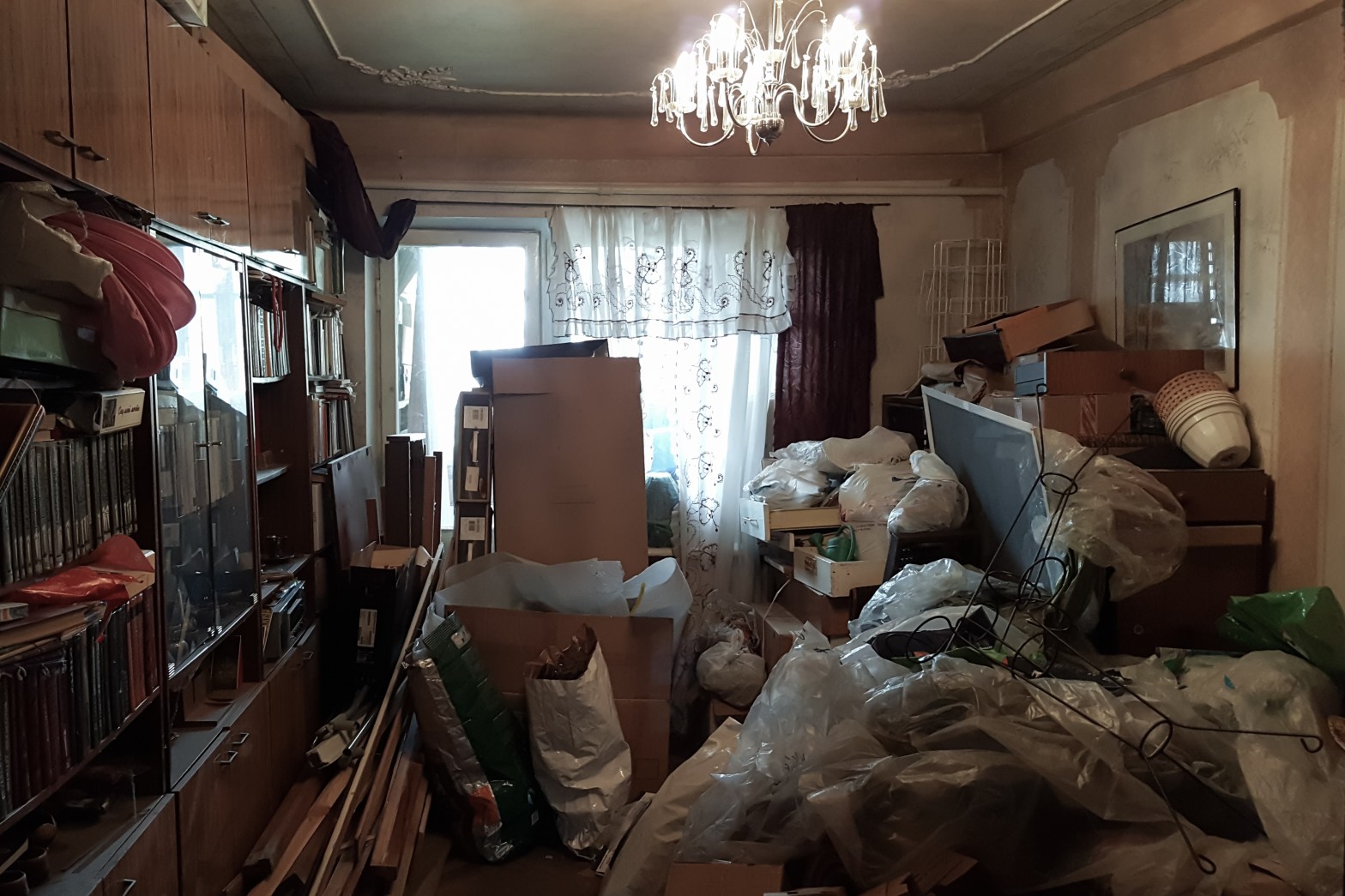
I’ve watched four different Court of Protection cases about people with “hoarding disorder”.  In each one, the local authority had applied to remove the person from their home and rehouse them temporarily, dispose of hoarded property (exactly what could be disposed of, and when, was always contentious), carry out repairs, and return them to their home, usually with some sort of care package in place designed to prevent the hoarding from becoming unmanageable in future.  This was another of those hearings.

At the time I observed this hearing (COP 13796227, on 13th July 2022), RH (with “schizotypal disorder” and “hoarding disorder”) had been detained in supported living accommodation for 11 weeks (except for a period during which she “absconded”), while work was done on her property “to render it habitable”. 

Meanwhile, she’s continuing to hoard, and she’s also declined to wash or change her clothes at the care home.

She wants to return home.

This (remote) hearing, before DJ Beckley at First Avenue House London, was to finalise arrangements for her return home, now that works are nearly completed.   “Works will be completed on Friday and she will be able to go home on Monday.”

The judge said he would ordinarily ask for a brief summary of the case at the beginning of a  hearing, but would not do so today due to time constraints: the hearing was listed for 9.00am and lasted only 30 minutes.  In order to support my understanding of the hearing, he asked both counsel to send me their position statements. Counsel representing RH (Laura Hobey-Hamsher of Bindmans) kindly did so.  Despite a request – and a follow-up reminder a few days later – to counsel for the local authority (Tony Harrop-Griffiths of Field Court Chambers), I have not received the local authority position statement. I have pieced together the background to this hearing from the one position statement I’ve received in conjunction with my notes from the hearing itself.

Key issues at the hearing were:

1.  Use of the key safe

There’s a key safe. We’d like when carers visit the property on Tuesday and Thursday as part of the care plan that if she doesn’t come to the door when they ring and knock, that they have permission to use the key to enter the property.  It may be that RH is there anyway, and they meet her within the property.  If she’s not there, we want to know what they can and cannot do once they are there.  We’d want them to be able to check on her welfare. If she’s there but not answering the door, it could be that – at the worst – she’s unconscious (though we’re not thinking that’s probable) or that the place needs tidying up – especially the toilet.” (Counsel for the Local Authority)

With regard to the key safe, it’s proportionate and in RH’s best interests for carers to be able to let themselves into the property with a view to checking there are no issues potentially causing a risk to RH’s physical or mental health, for example being unwell, or the toilet again is overflowing, something like that.”  (Counsel for RH via the Official Solicitor)

2.  Disposal of items in P’s house

It became clear that RH is hoarding what for other people is “rubbish” – including (as mentioned over the course of the hearing) “empty plastic and glass bottles, empty food cans, cigarette butts, etcetera”, “used cotton-wool buds”,  “bones from a fried chicken shop that someone had left in the street (that would concern me given the hot weather we’re having)” and “rotting food well beyond its sell-by date”. 

It had been agreed, at the instigation of the Official Solicitor at an earlier roundtable meeting, that it should be ensured that  “items of sentimental and/or financial value” are  not removed by carers.  

There was an issue about when and how items identified as “rubbish” could be disposed of, and it was agreed that items hazardous to RH’s health should be  a priority for disposal.  “Items such as used cotton-wool buds don’t cause a risk to her health. They do have to be disposed of eventually, but twice a week would be so disorienting to her, and so distressing, as to do more harm than good” (Counsel for RH via the Official Solicitor).  “What the Official Solicitor doesn’t consider proportionate is that – potentially twice a week – people unknown to RH enter the property and remove items that in their view are rubbish – even with the caveats relating to financial valus and sentimental value.”  This would mean (said Counsel for RH) “from her point of view, some of her possessions being disposed of without any notice or discussion aforethought”.

The judge summed up the situation:

What we need to balance is the risk of her hoarding becoming so severe that her ability to live at the property becomes threatened (when everyone agrees that’s what’s in her best interests) with the risk of the impact on her of her possessions being removed – and they’re clearly important to her, because she’s brought them home.” (Judge)

The judge suggested devising a permissive order with two components:  first,  “items that pose a risk to her physical health – that covers the chicken bones” for immediate disposal, and second “other items which can only be disposed of with notice having been given, but then even if she’s not home or doesn’t want to permit entry, the local authority have access to go in and clea  it out.  The notice would be a note saying ‘we’re going to come back in a week’s time’, what was tried before she went into the care home”.  

3.  Road traffic sense

The judge raised a question about RH’s “road traffic sense” – saying that although concerns had been raised, “she coped quite well with traffic when she absconded from the care home”.  

Counsel for the local authority said he hadn’t taken instructions on that point, but “someone could point out to her that it could be dangerous to go into the road to retrieve rubbishMy clients could reflect on that.”

The judge asked for a recital to be added to the order “to say that’s been considered”. 

Counsel for RH said that “she’s out of her property pretty much all day every day, and hasn’t come to harm before, so it’s something to keep an eye on, but not an acute problem.”

Decisions

The judge approved use of the key from the key safe to allow local authority carers to access RH’s property, and to clean the toilet, and to remove anything with an adverse impact on RH’s physical or mental health.  The plan was for RH to return home on 18th July 2022 and the judge fixed a date for a review hearing a month later.

Celia Kitzinger is co-director of the Open Justice Court of Protection Project. She tweets @kitzingercelia

Reflections from a social worker on a case about capacity for sex: Hull City Council v KF

By Sara Linnane, 15th August 2022

I qualified as a social worker in July 2020, at the height of the pandemic when the world was coming to a standstill. I have worked in Social Care – both Children’s and Adult’s for 15 years, choosing to become a social worker in Adult’s Social Care because of my passion for promoting human rights and equality. As a social worker I am acutely aware of and endeavour to promote the autonomy of the people I support, even when this goes against my own values and beliefs. 

As a social worker my position is unique – advocating for people to live their life the way they choose but also safeguarding people at risk of abuse or being deprived of their liberty.  At the heart of Social Work practice is the Mental Capacity Act 2005 – a legal framework for practitioners to work lawfully and ethically with people, embracing person-centred care, valuing diversity, empowerment and respecting the autonomy of people by maximising their capacity to make decisions. For me the Mental Capacity Act 2005 is about promoting a person’s human rights and dignity, therefore a key part of my practice is to critically reflect on my work to  avoid the ‘protection imperative’. 

On 26th July 2022, I watched my first Court of Protection hearing.  The judgment has since been published: Hull City Council v KF [2022] EWCOP 33.

It was the final hearing in the case of “KF”, a 34-year-old woman diagnosed with the rare disease of  agenesis of the corpus callosum, resulting in her having a learning disability which, according to an independent expert, impacts her capacity to make some decisions.

She had been assessed by Dr Mynors-Wallis, Consultant Psychiatrist, who found that she lacked the capacity to manage her property and affairs, and to make decisions about her residence, care and contact with others. However, he initially concluded that she did have capacity to engage in sexual relations. 

The issue before the court was that KF was pleading to have unsupervised contact with the man who had abused her through means of coercive control, financial abuse and sexual assault. The situation was further complicated as KF has recently been diagnosed with triple negative breast cancer which has spread to her liver, lungs and spine. KF is currently receiving treatment for this diagnosis. 

At the hearing on July 13th 2022, Celia Kitzinger (in her blog “Determining capacity for sex with her abuser”), reports that Joseph O’Brien QC (the barrister acting for KF via her litigation friend, the Official Solicitor) argued that the person-specific characteristics of a sexual partner could be relevant information when determining capacity around sexual relations – referencing the judgement in the case  of Re JB at the Supreme Court.  Joseph O’Brien stressed the concerns of the local authority and the significant risk of harm KF could face if allowed unsupervised contact with her abuser – contact which KF had been open and honest about, saying she’d hope it would lead to sex. 

It is important to say at this point that her abuser (KW) was due in Court on July 29th (so three days after the hearing I watched)  for sentencing.  He had  pleaded guilty to the sexual assault and it was likely he would be facing a custodial sentence. KF’s cancer is terminal, she is likely to pass away by the time KW is released from prison, therefore the urgency and sensitivity of the decision before the judge (Mr Justice Poole) was obvious. 

At that hearing, Mr Justice Poole authorised the parties to ask Dr Mynors-Wallis, the Consultant Psychiatrist who had previously assessed KF, some additional questions about KF’s capacity to engage in sex with KW in particular, and to rethink the question of KF’s capacity to engage in sexual relations due to the specific facts of this case. The next hearing was set for July 26th 2022 at 10:30am. 

When Celia Kitzinger asked if I would be available to observe the hearing on July 26th 2022, I jumped at the opportunity for two reasons – to experience Court (virtually) for the first time and for my professional learning and development. As a social worker I am aware that I might need to attend court as part of my professional duties.

Your first time observing a court hearing can be initially overwhelming. As a professional I felt apprehensive, even more so when I received a copy of the Transparency Order (TO). I remember thinking – if I feel like this, how must KF feel?

Now, I could blog about many different aspects of the hearing as it is extremely interesting, diverse and complex, however I want to focus on three main aspects: KF, her social worker and Mr Justice Poole. These are my thoughts and reflections from observing the hearing.

1.  KF – the woman at the centre of the case

What we know about KF is that she is a 34-year-old woman, who has a learning disability and was recently diagnosed with terminal cancer. KF has had two children who were both removed from her care.  She’s been in an on/off relationship with KW over a long period of time, leaving Hull for her own protection at one time. It was reported in court that during this time away from Hull, KF was protected, safe and well. However, KW resumed contact with KF and, ultimately, she returned to Hull and to live with KW. KW’s abuse of KF is described as coercive and controlling, abusing her finances for his own needs, dominating her decision making and sexually abusing and assaulting her.

As a social worker, my current training around coercive control is limited and mainly delivered through safeguarding and domestic abuse training. My practice experience of working with people under the coercive control of another is also limited. Observing this hearing has highlighted a learning and development need which I will explore further. 

My thoughts – how do you even begin to put yourself in KF’s shoes, knowing very little about her life this far, to understand the reason for her dying wish to be to spend a night, unsupervised, with her abuser?  What is the hold that he has on her? And how as professionals do you support KF impartially, without judgement to promote  her right to autonomy?

One thing I admire about KF is her openness and honesty about her wishes and feelings to have unsupervised overnight contact with KW. KF, from what we know worked with professionals throughout this hearing – seemingly taking on board concerns shared about KW’s flat, meeting with Dr Mynors-Wallis to complete capacity assessments which discussed very personal, sensitive and private matters. KF agreed to planned supervised contact with KW, agreed to the social worker checking KW’s flat and appeared to understand that professionals supporting her want to make sure she is safe from further harm, infection and illness. 

Can you imagine this level of invasion on your own personal life? The feeling of knowing other people are in control over a decision you want to make. Doing everything that is asked of you by different professionals in the hope you can achieve one of your dying wishes?

On July 25th  2022 (the day before the hearing), KF had met with her Litigation Friend. During this meeting it became apparent to KF that the Judge might deny her wish of unsupervised overnight contact with KW. Reacting to this KF stated “I’m sick of this. You can tell the judge that too. It’s my decision. I’m being treated like a child”. KF couldn’t understand why her capacity was being questioned, stating “I can make my own decisions. I want my freedom. I can make a decision about sex”. 

I perceived these statements as KF’s way of saying – I’ve done everything you have asked of me and more, now let me have my wish of unsupervised overnight contact with KW.  

2. KF’s Social Worker

During the Court hearing my focus often went to the social worker.  I wondered how she was feeling and what she was thinking? How much is this case impacting her emotional wellbeing? I’m not sure how long she has been working with KF, but from what is known it can be assumed that KF has had long term input from both Children’s and Adult Social Care.

How does a professional stay impartial, promoting the rights of service users, even when it goes against our thoughts and morals, no matter how strongly challenging it is. How do we differentiate between promoting the human rights of a person and trying to achieve what we may perceive to be the best outcome?  When I was thinking about the social worker, I couldn’t imagine the weight of emotions she must have felt – I often find myself dissecting my own practice to ensure I am keeping the person, their wishes and rights at the centre. This is often a difficult and complex task when you consider the legal framework involved. As social workers, on one hand we have a duty to respect and promote a person’s rights to autonomy and self-determination, on the other hand we have a duty to safeguard vulnerable people, such as KF. 

Balancing these two duties, in addition to looking after your own emotional wellbeing can be arduous. It requires a significant level of knowledge, skill and human compassion. It also requires a collaborative approach as decision such as this one faced with KF are complex – ultimately resulting in the social worker asking the court to make a final decision. 

One thing that did stand out to me during this hearing, was the social workers respect towards KF’s wishes and feelings. The social worker has continued to support KF’s wish of contact with KW – planned supervised contact. Contingency plans had also been considered and implemented, with the local authority agreeing to cover the cost of a hotel room and for 2 carers to be on call should KF need assistance. All reasonable steps taken to work openly with KF to achieve her wishes and promote her safety. 

3.  Mr Justice Poole

Mr Justice Poole gave a summary of his decision on July 25th 2022, as KF was present (virtually) and being supported by carers. KF could not be seen or heard: this was to protect her identity. 

When outlining the decisions to be made, Mr Justice Poole used clear language, keeping explanations concise and to the point – ensuring KF was able to understand the reasons for his judgement. I don’t know how KF reacted to the decision, or even if she fully understood the reasons behind Mr Justice Poole’s decision. My hope is that the carers supporting her and her social worker will continue to support and explain the decision. 

As I listen to Mr Justice Poole give his judgement, I could sense the weight of the decision he had made and how sensitively he had approached the case. I imagined myself with that responsibility and tried to understand how he would have felt – did he face his own ethical dilemmas when balancing the facts of the case and determining what is in KF’s best interest.  

In his judgement, Mr Justice Poole concluded that KF lacks capacity to make a decision to engage in sexual relations with KW (which was also the conclusion of the independent expert, Dr Mynors-Wallis, in the Addendum to his original report) and that it is not in her best interests to have unsupervised overnight contact. In weighing up all the evidence and circumstances surrounding the case, Mr Justice Poole did agree that it was in KF’s best interests to continue to have supervised contact with KW in public places. Furthermore, he ruled that whilst he is aware of the significant harm caused to KF by KW, he did not have concerns for KF’s safety should they wish to kiss and cuddle – being mindful this could be their last contact together. What’s more, Mr Justice Poole reminded himself that a person can make unwise decisions and have capacity to make them, highlighting the importance of not making a decision based on emotions and an impulse reaction to protect KF (the so-called “protection imperative”, explained by Ben Troke in this video) remaining objective and considering all possible options to support KF’s wishes. 

My final thoughts

The case of KF is challenging, complex and emotive – a young woman diagnosed with terminal cancer who wants to spend one last night with her abuser, a man who seriously sexually assaulted her and dominated their relationship through coercive and controlling means.

KF is safeguarded, in essence, by taking her control away when she was judged not to have capacity to make decisions about contact with her abuser herself. It was deemed not to be in her best interests due to the significant level of risk associated with KW and the potential he may cause harm to her. 

How does the social worker work through any potential aftermath, e.g. a change in the relationship dynamic between herself and KF, how KF would now engage with support, how KF would react to and deal with the judgement post-case. A key part of effective social work practice is being able to form open and trusting relationships with service users – relationship-based practice can facilitate more effective communication, allowing for transparency and a person-centred approach. Conflict often arises when outcomes don’t match a service users wish, creating a strain on the relationship. One way to rebuild this relationship is to keep the service user informed, ensuring they are aware of decisions being made and the reasons for them. This ensures they are not excluded from discussions regarding their rights/wellbeing and will hopefully encourage further cooperation with services overtime.

Cases such as this need to be publicised and discussed more frequently so that all aspects of Social Work with adults are promoted and understood. This judgment showcases the complexities of working in a field that deals so closely with people’s human rights. It is a judgment that can be learnt from and hopefully support a wider understanding of the nature of Social Work practice. 

Sara Linnane is a social worker for a Local Authority, working in a generic, adult community team. Prior to completing her BA Honours in Social Work, Sara worked within Children’s and Adult’s Social Care for 15 years. Sara is keen to continue developing her practice skills and knowledge, especially in regard to promoting and upholding the rights and autonomy of people she supports. She tweets @Curious_pearl

Capacity to have sexual relations with a specific partner: In the matter of Hull City Council v KF [2022] EWCOP 33

By Aisling Mulligan, 15th August 2022

As a barrister practising in Public Health Law in Ireland, I am familiar with the vulnerable client and the myriad complex questions that come before Courts. Ireland is due to commence the Assisted Decision Making (Capacity) Act 2015 (the 2015 Act), which creates a framework for supporting decision making where a person may lack the ability to make the decision themselves. 

The 2015 Act and the Mental Capacity Act 2005 of England and Wales, while different, have many similarities. One such similarity is the Court’s power to determine whether a person has capacity to make a decision. It was in this context that I sought to observe a number of hearings in the Court of Protection. 

I was put in contact with Celia Kitzinger, who was an invaluable source of knowledge in navigating the process of accessing hearings. Many cases were vacated, and some regional Courts were harder to access, so attending a hearing was not without its difficulties. However, where I was successful in attending, the Court welcomed the observers and judges were extremely considerate, often asking counsel to give a summary of the case so that I and other observers could follow the matter before the Court on that occasion. The Court also confirmed the reporting restrictions with each observer prior to the commencement of the hearing. 

The Case

The final hearing in the case of KF was called before Mr Justice Poole on the 26th July 2022 (following a directions hearing on 13th July 2022 previously blogged as “Determining capacity for sex with her abuser”).   KF has a learning disability which can impact her ability to make decisions at times. The question before the Court was whether KF had capacity to consent to sexual relations with a partner who had previously sexually assaulted her. 

KF had previously been before another judge who had determined, on an interim basis (s. 48 Mental Capacity Act 2005) that she did not have capacity to manage her property and affairs, to make decisions about residence, her care or to determine contact with others. An interim order was made determining that KF didhave capacity to engage in sexual relations. The Court therefore had a very specific matter to determine and was presented with a difficult context upon which to determine it. If KF had capacity to engage in sexual relations, was it possible for the Court to deem her to lack that capacity in relation to the individual with whom KF proposed to have sexual relations? 

KF, while only thirty-four, was diagnosed with aggressive cancer and would likely reach the end of her life in a few short years at most. It was on that basis, she wished to meet with KW for the purposes of having intimate relations. Unfortunately for KF, it was the unrefuted evidence to the Court that KW had been extremely abusive to KF. There was evidence that the relationship was coercively controlling and that KF had been harmed by KW throughout the relationship. The Court was informed that KW had recently pleaded guilty to sexually assaulting KW by fisting her as a form of punishment for engaging in sexual relations (specifically anal intercourse) with another man. As a result, KF sustained serious internal injuries and may have died had she not been hospitalised. 

KW was invited to the hearing but opted not to attend. KF also met with the judge in chambers. He reported that she was adamant that she wished to have the opportunity to meet with KW and that this contact should be unsupervised, as she believed that the contact would be intimate. KF was equally clear that she had capacity to determine relations between herself and KW. The Court confirmed a note of this meeting would be made available to the parties.  

The Court focused on the expert assessment of KF (by Dr Laurence Mynors-Wallis) in determining the matter before it. It had been agreed at that hearing that the independent expert should be asked to reconsider the question of K’s capacity to engage in sex, given the specific facts of this case.

Dr Mynors’ Willis now found that engaging with the fact of past harm and the possibility of future harm) was relevant information that would need to be retained in order to have capacity. As KF did not or could not accept the harm that was perpetrated upon her by KW, Dr Mynors-Willis found that KF did not have capacity to engage in sexual relations.  In considering the legal test for capacity to engage in sexual relations, Joseph O’ Brien QC (representing KW via her litigation friend the Official Solicitor) set out the relevant law for the Court. Mr O’ Brien QC outlined that people who do not believe the facts of relevant information can have an effect on whether a person has capacity. KF did not accept the fact that she had been assaulted by KW and this undermined the presumption of capacity.  Mr O’ Brien QC also stated that there were limits on the information that would need to be retained in order to have capacity. In particular, only information which was proximate to the decision needed to be retained for capacity to be found. The question was whether KF understood the risk KW posed to her and whether her ability to understand the risk of the said relations was evidence of her lack of capacity. Mr O’ Brien QC outlined that his client would be devastated if she were unable to meet with KW and while there may be an adult protection imperative, that imperative cannot eclipse autonomy. Mr Simon Batt, who appeared on behalf of the local authority agreed with the legal position as set out by Mr O’ Brien QC.

The Decision

The Court rose to consider the matter but confirmed it would deliver its decision in a way that was accessible to KF at first instance and provide a more detailed decision thereafter. 

The Court determined that KF did not have capacity to make the decision to engage in sexual relations. The Court found that if a decision is important, a person must understand the information relevant to that decision to be considered capacitous to make it. 

As KF could not retain the information about the assault and could not weigh that information when considering whether KW posed a risk to her,  the Court was forced to determine that KF did not have capacity to make decisions about engaging in sexual relations with KW.

Having determined this, the Court considered whether it would be in KF’s best interests to have unsupervised contact with KW. Due to the extensive history of physical harm and KF’s inability to assess risk when it comes to KW, the Court determined that it would not. KF was deemed to be unable to manage the risk associated with contact. The Court did not believe that this risk could be managed effectively by third parties and so the request for unsupervised contact was refused. 

Commentary

When I first heard the matter to be determined, I did not believe that it would be possible for the Court to find that KF lacked capacity to make a decision to engage in sexual relations with KW. That is not to say that I was not deeply concerned by the decision that KF proposed to make but I did not believe that the Court could engage further because it had previously been determined that KF had capacity to engage in sexual relations. 

I know from my own practice that people return to abusive partners all the time and while that may be unwise , it is their decision to make. People with the capacity to make a decision may make what others consider to be an unwise decision, but the court has no jurisdiction.  It was therefore difficult to imagine, in the absence of any specific deterioration of KF’s mental functioning, what factual matrix would rebut this interim finding. 

Engaging with risk is a key component of capacity and the addendum report of Dr Mynor’s Wilkins made it clear that KF was unable to accept and understand the risk that KW posed to her. This, the Court found, rebutted the previous finding that she had capacity.

This hearing proved the value of observing the Court of Protection hearings. The Court engaged in exactly the kind of fact specific assessment the 2015 Act envisages. 

My initial view that the Court would be bound by the previous determination on KW’s capacity to engage in sexual relations proved incorrect. The Court’s consideration of all the facts, and the analysis of them, resulted in a more erudite determination. This case proved itself to be a reminder of the value of fact and person specific decision making and the value of a system that supports that process. It was an important lesson I am incredibly grateful to have learnt prior to the commencement of the 2015 Act. 

I sincerely hope a similar model of open justice is considered by the Irish Courts as it is an invaluable resource for the public and practitioners alike. 

Aisling Mulligan is a practising barrister in the Republic of Ireland, specialising in Healthcare Law. She has a special interest in the area of Capacity Law,, having completed her dissertation on the Capacity Act 2015 as part of her Masters from the Royal College of Surgeons in Healthcare Ethics and Law. During July 2022   Aisling observed approximately 10 remote Court of Protection hearings as part of her research for an upcoming publication.  Aisling would like to express her gratitude to Professor Celia Kitzinger for her assistance in accessing hearings and navigating the remote hearing system.  Aisling would also like to thank the Court and its staff for their assistance and patience. 

COVID-19 vaccination with sedation: Instructing an expert

By Anna (with Celia Kitzinger), 10th August 2022

This is one of a long series of hearings about COVID-19 vaccination in which family members argue against vaccinating P but the judge makes a decision to vaccinate.  

This case (COP 12219141) is a bit different from the others because the judge already made a decision that it was in P’s best interests to be vaccinated 14 months ago (in May 2021) but it still hasn’t happened.

The Open Justice Court of Protection Project has published several blog posts about COVID-19 vaccination, including:

As the titles of the first two blogs indicate, a common feature of these hearings is that decisions to vaccinate incapacitated adults can be made by the courts, even when their parents profoundly disagree. 

This case, too, like those we’ve blogged about before, draws attention to the fact that a parent does not have the right to decide what happens to their children, adult or not, when they are deemed to lack capacity to make decisions for themselves.

I noticed this tweet on the Open Justice Court of Protection (OJCOP) Project Twitter feed on the morning of 28th July 2022.

As I happened to have some free time, and having observed two previous hearings felt confident to do so again, I contacted the OJCOP Project and said that I would do it. 

As I am involved in an ongoing CoP case as a family member, I am keen to gain as much experience of CoP hearings as I can, to help my understanding and to gain confidence in participating.

Gaining access

I sent an email asking for the link mid-morning, explaining that I wanted to observe the hearing for the OJCOP Project, and within half an hour I had received an email with the link to the case. The hearing would be via CVP (Cloud Video Platform), a platform new to me. Detailed instructions on how to use it were provided in the email, including how to make a test call. I did that and even though I use Safari as a browser (which was not listed as being one of the best browsers to use), it seemed to work okay. 

An hour before the hearing, I received a copy of the Transparency Order by email, although a text message was requested to obtain the password to read it.  

So, accessing the case was very straightforward. 

I logged on about 10 minutes before the start time, was admitted 5 minutes before, and participants joined one by one.  The hearing started on time at 2pm and I counted 9 participants in total, including the clerk but without the judge. The clerk first asked everybody to introduce themselves (including me), which I found very useful. Key participants were:

  • Bethan Harris of Garden Court Chambers, Counsel for the protected party DA , (“P”) , via his litigation friend the Official Solicitor;
  • Hannah Taylor of Bevan Brittan representing the ICB (formerly CGG), the original applicant for the proceedings, although apparently not the applicant today; 
  • AC, who is DA’s mother – she doesn’t have a lawyer and so is acting as a litigant in person.

There were also two other solicitors, another representative for the OS, and another observer. 

The clerk then tried to admit the judge but there were then a lot of technical issues and the clerk left the meeting to try to sort out the judge’s access. 

It then became apparent that AC was having technical problems joining and ended up ringing in. The rest of us were waiting for about 25 minutes, which was a little uncomfortable, and I especially felt for AC who kept asking for help with the technical issues. 

These things happen and whilst they are frustrating, I for one appreciate being able to observe hearings remotely and I think they give wider access. But this hearing demonstrated how, despite meticulous organisation and planning, problems can still occur. 

The judge, apologizing profusely, was finally able to join, although AC remained joined by phone.  

I will now summarise the proceedings as faithfully as possible, based on the notes I managed to take – and with a contribution from Celia Kitzinger’s about a hearing she observed in the same case more than a year previously.

Opening the hearing on 28th July 2022

The judge checked who everybody was and asked for confirmation that the observers had received the Transparency Order, and we both affirmed that we had. 

HHJ Brown confirmed that she had received the position statements from both the ICB and DA’s representatives, and from AC – the three parties in the case.

She then asked Counsel for DA to open, stating that she understood she was leaving the case after today. 

Counsel for DA then gave a brief summary of the case and the issue before the court today.

She said that DA has a learning disability, Down’s Syndrome and autism – conditions which make him clinically extremely vulnerable to Covid 19. He is intolerant of health care interventions and can become upset by attempts to intervene. He is resistant to having the COVID-19 vaccine, although the ICB responsible for his care believes it is in his best interests to have it. (His mother does not agree.)  

Following a hearing in May 2021 (observed by Celia Kitzinger and reported below), the court authorised a care plan involving administration of a sedative to enable covid vaccination.  However, the sedative did not work as expected, and so the vaccination was not given. Permission was now being sought to instruct an expert in the use of sedation in the community, to consider how to sedate DA to enable vaccination. This was as part of the process to help the court make a decision for care in DA’s best interests.  

The ICB has also commenced a desensitisation plan, a step-by-step approach, incrementally encouraging DA to go to hospital. This was an ongoing process but hasn’t got very far.  All possible options for P’s best interests were to be considered, starting with the input of the expert, but also with a multi-disciplinary team, in order to gather evidence. 

The issue to be considered today is whether an expert should be instructed (to write a report) and who the instructing parties should be. The planned order for next steps would be the instructing of the expert and gathering of evidence, filing of evidence, a Round Table Meeting and if no agreement, a further hearing. 

Some background: a previous hearing on 6th May 2021, by Celia Kitzinger

When I saw this hearing listed, I realised that I’d watched a previous hearing in the same case back in May 2021 (and tweeted about it in a Tweet Thread). On the basis of what I’d seen before, I assumed that DA would have been given the COVID-19 vaccination approved by the court back then – and that this would be a hearing about a booster vaccine.  

So, I was very interested to learn from Anna that in fact it had not been possible to administer a vaccine to DA.

At the hearing on 6th May 2021, I’d listened to the positions articulated in court by the CCG (the applicant), AC, and the Official Solicitor.

Counsel for the CCG had expressed concern that DA is “an extremely sociable young man, doesn’t understand social distancing, rarely wears a mask, will run and hug carers with whom he has a warm relationship”, all of which makes him vulnerable to COVID infection.

The plan had been to give him medication in a morning drink that would have an “anxiolytic” (anxiety-reducing) sedative effect, leaving him sleepy and relaxed. He would be in the lounge of his house and distracted with favourite activities by care staff. He’d have been encouraged that morning to choose a short-sleeved top, and a nurse from the GP practice would administer the vaccine very swiftly without engaging with DA first.  It would all be over in 5 seconds (said counsel for the Clinical Commissioning Group) and “force is no part of the plan. […] If the plan does not go smoothly and it’s not possible to administer the vaccine and there’s any proposal for a more restrictive procedure, the CCG will be returning to court”.

AC (who attended the May 2021 hearing also by phone only, and also without a lawyer to represent her) raised a large number of concerns about vaccinating her son, including the possibility of serious adverse reactions, anaphylaxis, neurological damage, blood clotting problems, heart attacks, stroke, organ failure, gene mutations and death.  She was dubious about the need to vaccinate him given that “There’s a 99.7% rate of healing and recovery from COVID” and “He’s a very healthy young man, he hardly even gets a cold. I believe he has antibodies in his body and natural immunity”. She said: “I don’t see why we have to inject this really dangerous thing into the healthy body of a young man who is able to resist it.  It is too dangerous”.

Counsel for DA via the Official Solicitor (Pravin Fernando) considered the CCG’s vaccination plan to be “well thought out”, and agreed it should be approved.  “The only narrow issue,” he said, “is whether court should also be authorising a booster vaccine”.  “There are some speculative and concerning issues that have been articulated in respect of the vaccine,  but there is also a genuine and legitimate area of debate. I don’t know for instance if I would have a booster in 6 or 7 months’ time.  That’s not currently in the public domain for debate. Why should somebody who lacks capacity have that decision made for them now, when other people will make it at the time? There mustn’t be over-reach by the court.  Everyone will have the opportunity to consider what steps they want to take for their own health in due course.”

The judge ruled “I accede to the application of the applicant. I accept P lacks capacity to consent. I take the view it is in his best interests to receive both shots of Astra Zeneca in accordance with the care plan, with no force being used. I do not accede to the application for a booster.  I accept this could be going into realm of over-reach.  I would want to see whether in 6-,7-,8-months’ time whether the booster is considered necessary by scientific evidence.”

AC had raised concerns that DA would “struggle and refuse to have the vaccine”.

The judge was clear: “No force is to be used. If the attempt fails and there needs to be a different care plan, then it will come back to court. […] The nurse that administers it must not use force and that’s the end of it.”

I kept an eye out for a couple of months just in case it turned out that AD did “struggle and refuse to have the vaccine” such that it was returned to court.  I didn’t see it, and supposed it had gone ahead according to the care plan. 

So that was back in May 2021.  Seeing this case listed for a hearing 14 months later (in July 2022), I assumed that the matter of a booster was now before the court.  I was wrong.

Instructing an expert: the issue for 28th July 2022

Given that it had not been possible to vaccinate DA with the mild sedation proposed in the previous care plan, the decision before the judge today was about whether to instruct an expert to advise on higher levels of sedation (short of a general anaesthetic).  

The judge was of the opinion that if an instruction is made today for the expert to be commissioned, then it was likely that the case would eventually need to be listed before a Tier 3 judge.  

In order to facilitate the passage of the case in the event of higher levels of sedation being recommended, the judge said she had contacted Mr Justice Williams who agreed that in the eventuality that a care plan was approved with a higher level of sedation, it would have to be listed before a Tier 3 judge as a contested hearing (since AC remained opposed to the vaccine). 

Counsel for DA (via the Official Solicitor) then outlined the timetable, which was due to go to the end of the year, and the last step would be the Round Table Meeting and then a hearing. So, it would be possible to ask now to list the hearing after the Round Table Meeting, in case no agreement was reached then, or alternatively, they could go ahead with the Round Table Meeting and then apply for listing after that. 

HHJ Brown stated that if she did instruct the use of an expert today, then when the report was issued it should be sent to her straight away, and she would forward it immediately to Mr Justice Williams (along with a short summary/case note), who would look at it and who then may determine to list the case before him straight away. 

In short, this part of the hearing was, in my view, an attempt to ensure that time was not lost  – given that vaccination had been considered in P’s best interests 14 months earlier – and that the case would be heard in front of the most appropriate judge, in the event that it was a contested case involving a higher level of sedation than the original order. 

The judge then turned to the immediate matter before her today, the instruction to appoint an expert in sedation. 

The judge asked if the judgment of 6th May 2021 had been challenged, and counsel for DA confirmed that it had not. 

The judge then asked counsel if DA had had COVID-19, as it seemed from AC’s position statement that he had. She replied that DA had had a viral illness that seemed to be like COVID, but he hadn’t had a formal diagnosis. 

ICB

The judge then asked counsel for the ICB to address her.  

Counsel for the ICB reported that an email had been sent to the court from a community nurse (I didn’t quite catch the title), which included a lot of detail and information about the desensitization plan and the lack of progress. That email also included information about DA’s viral illness, which was successfully treated with antibiotics, indicating the illness was not COVID-19. 

At this point, the judge stopped to take the time to refresh herself about the contents of the email, consulting her computer. 

Counsel for the ICB then stated that, other than the email, the position of the ICB was set out in the position statement. 

AC (P’s mother)

The judge then turned to AC, thanking her for her detailed email, and gave her the opportunity to address the court.

AC stated that there were many reasons why an expert was not needed. It was now known that you can still get COVID if you have been vaccinated; it was not known last year but it is known now.  She believes DA has natural immunity; he is a healthy man; things are evolving with the truth about the danger of the vaccine, that it would be harmful for his body. 

She continued. At the Round Table Meeting of last year, it was agreed that it would not be fair to him to have multiple vaccines as they only last 6 months. Also, new variants aren’t covered by the vaccine. COVID is now a mild illness, and 99% recover. The vaccine is not as beneficial as people first thought (she said) and the risk/benefit (ratio) had changed. He is a healthy man, with no health issues, he has never had a cold, he fights off infections, the whole family is healthy, he recovers from infections fast. 

She then stated that she was worried about the neurological effects of the vaccine, that some people had become blind from it and that she didn’t want her son to be hospitalized. 

The judge thanked her, saying that she has considered what she had to say, and what she said in her email, and that she has no doubt that AC  feels that she is acting in the best interests of her son. 

The judge then asked Counsel for DA to comment.

Official Solicitor

Counsel for DA said that the court could be satisfied that the request to vaccinate DA is still valid as he is extremely clinically vulnerable and that even if COVID has evolved, it is known that the vaccine works. She quoted a case by Judge Peter Gregory (that was not precedent), EWCOP 17 NHS Liverpool CCG v X and Y.The judgement stated that “learning to live with the virus does not mean that we should now ignore it or neglect to make use of the protection afforded by available vaccines that have been shown to have a significantly beneficial effect in terms of inhibiting the spread of the virus, reducing the numbers catching the virus, or, in the case of those who still get infected or reinfected, reducing the risk of developing serious illness, admission or death.”(Note: I did not capture all of this as she read it but I looked up the relevant paragraph (42) of the judgment afterwards.)

Counsel for DA said that she was only providing this reference as context for the court to make a decision. She finished by stating that this hearing was not to determine a best interests decision, but to ask permission for further evidence gathering. 

Judgment

The judge then announced her decision. 

The best interests decision before her was the judgment in May 2021. At that time all the medical professionals and the Official Solicitor fully supported the administration of 2 doses of the vaccine. This was opposed by AC, and her opposition has now increased with new information about the vaccine.  Her judgment in May 2021 had been that it was in DA’s best interests to have 2 doses but that it would be over-reach to have a booster and a further application would need to be made for that. She stated that since the judgment had not been successfully challenged, it remains in place. 

She continued that with respect to AC’s views about the vaccination, and anti-vaccination information and rhetoric (which is around), the scientific information is that the vaccination is in DA’s best interests and therefore her judgment in May 2021 has not changed. 

As of today, the vaccination has not happened – the original plan did not work and DA remains unvaccinated. AC believes that her son is immune, but medical opinion is that immunity can wear off and, yes, you can still get COVID (after vaccination) but symptoms are likely to be less severe. She accepts that there are some lay people, and even some medical opinion, that says vaccines don’t work but there is more medical opinion that it does. Therefore, the expert (Dr Ben Taylor) should be instructed to consider the various options for sedation to enable vaccination. She reiterated that this was not an instruction for a care plan for vaccination. 

She then returned to the issue of the potential future listing before Mr Justice Williams, emphasising that she was giving a limited ruling to approve the instruction of an expert only. When the report is available, it will be sent to Mr Justice Williams who will then be responsible for deciding what should happen next.

Finally,  she turned to the issue of costs for the instruction of the expert.

Counsel for DA said that AC does not have legal aid, so it might be best for the OS and the ICB to share the costs between them. AC would not be an instructing party but could have access to the report. It was in the hands of the court to decide. 

The judge checked with AC whether she had legal aid and what she thought of the suggestion that the two other parties would share the costs of the expert. The judge asked AC whether she followed this discussion. She wanted to check that she understood about instructing the expert. (I thought that this was very useful. I know from experience that it can be difficult to follow the legal arguments). AC replied that she wanted to be allowed to ask questions. The judge confirmed that if it got to the point of being a contested (future) hearing, AC would be allowed to question the expert. But reasonable and proportionate instructions were needed. For now, they are just trying to determine instructions to the expert to enable his report. The judge carried on by saying that AC could still communicate with the parties, but not with the expert directly. 

She went on to outline to everybody that the next possible stages were:  the Letter of Instruction (for the expert), then the report, followed by further evidence gathering and questions in writing and then a (probably, I imagined, was implied) contested hearing.  She concluded that 2 parties (OS and ICB) should be given permission to instruct, but AC should be allowed to ask questions. This is for costs and practical reasons. She then asked when the report was expected and counsel for DA confirmed that the report was due mid-November. 

At this point, AC interjected, saying that she had changed her mind, and she wanted to be a party to instructing the expert. The judge was very firm in reply, saying that she had now ruled on the matter but if AC had reasonable and proportionate questions, they could be included in the Letter of Instruction. 

There then followed a last-minute plea by AC asking if her son could go home to her but the judge replied that this was not the application before her today so she could not consider that.

The hearing then closed, about an hour after the judge had joined. 

Some observations

This hearing was very interesting to me, particularly as – once again – a family member was involved in a legal case concerning a close family member in a court, similar to me with my mother’s case ( although regarding a different legal issue). 

Before becoming involved with the OJCOP project, I had felt very threatened by the court process. I now no longer feel that way. But I put myself in the shoes of AC, whose son was (probably) going to undergo a medical procedure which she was vehemently opposed to and I know how I would be feeling (irrespective of my personal views about this particular medical issue). If I put myself in AC’s shoes, she obviously has very strong views, and what mother would not want to fight for her child? It must be very hard to accept that decisions can be made regarding medical treatment that are against your wishes. AC was well prepared and knowledgeable about the process (as far as I could tell) and always stayed respectful and polite during the hearing, which I can imagine is not always the case for a litigant in person. 

That said, I thought that the hearing was conducted in a very positive way, from beginning to end. The Clerk asking everybody to introduce themselves at the start helped set the tone. The judge gave AC time to outline her views and said that she realised she felt she was acting in her son’s best interests. She was firm in conducting the proceedings though and made sure an order was followed as to who spoke when. 

I found the discussion about whether AC should be a party to the instructing of the expert very interesting. I think that the court wanted to prevent her having to pay a share of the costs for the expert, which I understand can be significant. But I’m not  sure that AC saw it that way. By her interjection, I assumed that she was worried that her voice would not be heard, in the instructions to the expert. The judge assured her that her voice would be heard during the ongoing case.

 Interestingly, though, in this hearing , the voice of DA, “P”, was not heard. 

As with the other hearings I’ve observed, it was very useful for me as a litigant in person in my mother’s case, to see how a hearing proceeds and the efforts of the judge to be fair and even-handed with someone presenting their own case for a family member. 

Anna is the daughter of a woman who is currently a P in a Court of Protection s.21A application.  She’s not using her real name because she wishes to protect her mother’s privacy, while also hoping that other families can benefit from reading about her family’s experience.  She hopes to blog in future about the hearings as the case progresses through the court.

Surgery for scoliosis when P indicates he doesn’t want it

By Celia Kitzinger, 8th August 2022

A 19-year-old man has severe scoliosis.  The Great Ormond Street Hospital for Children NHS Foundation Trust seeks a declaration that it is lawful and in his best interests to undergo spinal surgery (with any deprivation of liberty that may entail).

This is not a contested application.  The young man (P) is represented by his litigation friend, who is his shared lives carer.  

There is no disagreement that he lacks capacity to make his own medical treatment decisions (he has autism and microcephaly) and there is unanimity that surgery is in his best interests.

The Trust (represented by Kyle Squire of 5 Pump Court) is making the application because P “has significant anxieties around clinical intervention, especially in a hospital setting, and has expressed the view that he does not want surgery”.  When surgery and other hospital procedures have been mentioned, he’s been observed to “visibly tremble … shaken his head in disagreement, reached out for physical comfort or appeared to want to cry”.  When asked directly if he wants to go ahead with the surgery, he made a thumbs down motion to indicate not.

The Trust is bringing the application to ensure his rights are protected and that there is scrutiny of the care plans.  “The Trust considers that to ensure the protection of [P’s] rights as an incapacitous adult subject to serious invasive medical treatment with risks[1], against his expressed wishes, it is necessary for the court to approve the treatment rather than the Trust making a best interests decision”.

The Trust’s psychological team and learning disability team have worked hard over several months to make the experience of surgery as least distressing as possible for him.  They’ve familiarised him with the hospital setting (including the theatre and clinical areas), he’s met the clinical spinal nurse specialist (who will have no other duties on the day except to be available for him), they’ve given him the best opportunities they could devise to understand why he needs the surgery (e.g. via social story work and pictorial representation) and through psychological therapy they’ve worked out where some of his anxieties stem from and the steps that can be taken to alleviate them.  One trigger for his distress is the word “surgery” (which will be avoided).  Another is the sight of blood.  He’s also anxious about white beds – so his bed will be blue (a colour he’s said he likes).  His shared lives carer, Mr A,  will have accommodation in hospital with him for the duration of the admission.

The case (COP 13955023) was heard before Mrs Justice Arbuthnot sitting remotely in the Royal Courts of Justice as a Court of Protection judge on 6th July 2022.

She asked what would happen if the curvature of his spine wasn’t treated: “what are the problems that might arise if nothing is done?”.  

While waiting for the doctor to join the hearing so that this question could be answered (he wasn’t available until midday), the judge heard from Mr A, P’s shared lives carer, who said he was “very much in favour of this operation”.  This is because P “is so restricted at the moment in what he can do. He’s a very active young person and I believe this operation will help him get back to his normal activities”.  Those included moving around freely, lifting things, and even his personal care.  Mr A and his wife have been looking after P for “nearly three years now” and the judge told him: “Your care has been described as exceptional, so thank you very much for everything you’ve been doing”.

There was then a 45-minute break until the doctor – a consultant orthopaedic surgeon – was able to join the hearing.  

Giving evidence, the doctor said that the scoliosis was “severe,” such that “any surgeon around the world would not hesitate to offer surgery for it.  Not operating would mean the curve would worsen and he’d be in significant pain… It would compromise his balance and stability and prevent him from walking longer distances.  The worsening curve would likely affect his lung function…. The principal goal of surgery is to stop the progression and to achieve as much correction as possible”. 

Counsel for the Trust (Kyle Squire) asked: “So there’s a likelihood of exacerbation of deformity and pain if there’s no surgery?”.  “It’s inevitable,” replied the doctor.

Mr A was offered the opportunity to ask questions of the doctor (technically this would have been a cross-examination, I believe) but declined saying he’d met the doctor several times and “discussed everything” at previous meetings. 

The judge asked whether P’s condition was worsening and the doctor explained that it was – by about one or two degrees every year “and over 10 or 15 years, that can be significant… There is a window of opportunity that’s been open for some time and is threatening to close now: it’s now or never in terms of stabilising his spine”. 

It seems in fact that there has been “a regrettable delay” in making this surgery available to P since his referral.  This was in part because the pandemic meant that elective surgeries were suspended for some time and the waiting list became much longer.  In part, though,  it was also “purposive”, to allow for therapeutic work with P to reduce his anxieties around the surgery.

The judge approved what she described as “the very carefully thought-out care plan”, and the surgery was planned to take place in  12 days’ time.

Celia Kitzinger is co-director (with Gill Loomes-Quinn) of the Open Justice Court of Protection Project. She tweets @kitzingercelia


[1] The risks of surgery were not discussed in court but had obviously been included in the bundle. They are risk of spinal cord injury which could range from temporary mild loss of sensation to paralysis, wound infection, post-operative problems and psychological harm.

Court-authorised caesarean section for a mother with sickle cell disease who wants her baby to “see her face first”

By Claire Martin and Laura Room, 5th August  2022

This case is another in a long series of court-authorised caesareans, some of which have been previously blogged by Open Justice Court of Protection Project[1].

In this case, the NHS Trust (Kings College Hospital NHS Foundation Trust, London [KHC], represented by Nageena Khalique QC of Serjeant’s Inn Chambers) had made an urgent application to court seeking authorisation for a planned caesarean section at 37 weeks for a woman with sickle cell disease. The application was supported by the NHS Trust providing mental health care (South London and Maudsley NHS Foundation Trust [SLaM]), the second respondent, also represented by Nageena Khalique.

The protected party at the centre of the case, RO, was represented by Conrad Hallin, also of Serjeant’s Inn, (via her litigation friend, the Official Solicitor). She was also present for some of the hearing and spoke to the judge. 

We observed this hearing  (COP 1396281T) on Monday 18th July 2022, before HHJ Morgan at the Royal Courts of Justice. We had no idea what the hearing was about in advance, because the RCJ Daily Cause List does not list the issues before the court. 

We will start the blog with Claire Martin discussing the issues of capacity and best interests in relation to this case, and then Laura Room will reflect on her experience as a first-time observer and consider mental health diagnoses that have been given to RO. 

Background to the case

RO is a 24-year-old woman who is 36 weeks pregnant. Her due date is the beginning of August – around four weeks’ away at the time of the hearing. She is currently under Section 2 of the Mental Health Act “because of deterioration in her mental health in June this year”, said Nageena Khalique QC, who gave a very helpful oral summary[2] at the start, which enabled us to understand the background of the application to court:

RO has a troubled history and involvement with psychiatric services since age 14. The reason for detention is a working diagnosis of two types of mental health disorders – Emotionally Unstable Personality Disorder (EUPD)[3] and Dissocial personality disorder – and some evidence of behavioural disorders due to drug use (alcohol, morphine, and heroin). … RO has a long history of being violent to mental health professionals and she is banned from many NHS Trusts. KCH was the hospital which had previously banned her for assaulting staff but given she is in the locality of this Trust and they have a duty to provide care, KCH has relinquished the ban to allow her to access obstetric services. 

She has a diagnosis of sickle cell disease, which has an impact on obstetric care. In April 2022 she had a pulmonary embolism requiring treatment (anti-coagulant therapy). On 28th June 2022 she was admitted … with vaginal bleeding and during admission her mental health deteriorated, and SLaM liaison services assessment led to her being detained with aggressive and chaotic behaviour. The consultant who has provided evidence in relation to that detention is [Dr X] and for current and past psychiatric care.  She is currently at KCH on the labour ward with psychiatric support from mental health nurses and psychiatry. She will remain there until the birth of her child. … One of the most significant changes in her presentation developed at 34 weeks of pregnancy. A growth ultrasound revealed a diagnosis of intrauterine growth restriction – the unborn child was below the 5th percentile.  At a scan repeated at 35 weeks and 6 days, unfortunately growth of the foetus was even more restricted at the 3rd percentile. The likely cause is placental insufficiency. The recommendation is that delivery is consistent with [lost this next bit] …. gold standard is that delivery should be at 37 weeks. [Consultant obstetrician] can give more evidence. [She] conducted the capacity assessment with the psychiatrist and has been involved for some time.” (Nageena Khalique QC)

KCH is seeking authorisation for a planned caesarian section for RO at 37 weeks. RO was on the video-call at the start of the hearing and then again after the break, when she spoke to HHJ Morgan. 

Capacity and Best Interests, by Claire Martin

Capacity

The position statement (kindly provided by counsel) for the applicant NHS Trust stated that an issue for the case was whether RO lacked capacity to make specific decisions. 

The first thing that was evident at this hearing was that all parties, including the Official Solicitor (OS), seemed to agree that RO lacked capacity to make her own healthcare decisions. No evidence was examined in relation to capacity during the hearing, so I assumed that this had been discussed between parties beforehand and that it had been decided that an independent capacity assessment was not necessary. We as observers do not see the ‘bundle’ of evidence that is prepared for the court. 

The position statement went on to assert that RO lacked capacity to decide her “birth planning, mode of delivery and obstetric care”,  because of “an impairment of, or a disturbance in the functioning of, the mind or brain (namely (a) Dissocial Personality Disorder (F60.2) and (b) Emotionally Unstable Personality Disorder- Impulsive Type (F60.30) (s2 MCA diagnostic test) which renders her unable to understand, retain and/or weigh up the salient information (s3 functional test and causal nexus).” This was based on a capacity assessment to make these decisions, carried out by RO’s psychiatrist and consultant obstetrician. 

This conclusion clearly did not accord with RO’s own view. She had been listening to the hearing (without her camera on, and from the hospital) from the start.  When her consultant obstetrician had been sworn in and counsel spoke to her, RO interrupted as follows:

Nageena Khalique QC [to consultant obstetrician]: I want to ask you about the risks that face RO if she doesn’t undergo a C-section. There are risks associated with intrauterine growth restriction (IUGR) and pulmonary embolism. Could you explain to court how you would quantify those risks and what they mean in terms of clinical management?

RO: [interrupting] …. I am aware of the risk that comes with it – you keep repeating it …. The issue is that I chose a different option, that doesn’t mean I don’t understand … You keep taking it like that … once more, I understand, I get it, I also understand why you want to use it … just putting it out there because you keep repeating yourself … it’s not gonna change … I have explained why and I do so appropriately … you constantly go over the same thing over and over again ….

Judge: I’m going to ask you please to wait until it’s the moment for you to speak. I understand you have heard from the doctors but I haven’t yet.

RO: I apologise for butting in.

Judge: Would you mind whilst she gives her evidence not to butt in?

RO: This is the first time I have spoken and I’m sorry for cutting her off. 

Judge: Let me hear it for the first time. I do need to listen to it. [Doctor] could you carry on? You were asked to quantify the different risks there are. 

I (Claire) observed a different case (about capacity to decide about amputation and best interests) some time ago which has parallels here:  

It suddenly struck me that ZA, who is currently in hospital with a delirium and infected bones of her foot, is, seemingly, being held to a much higher bar than the rest of us would be (when our capacity is not in question) in terms of needing to demonstrate an understanding….”

It struck me again, that the bar at which capacity is considered to be retained regarding the decision to opt for a vaginal delivery, with the risks associated in this case, seems higher than it might otherwise be for people for whom capacity is not in question. As soon as capacity is deemed to have been lost, the freedom to make (what others consider to be) an ‘unwise’ decision is also lost. It becomes a best interests decision that belongs to others (in this case the doctor and judge). The question then is how much weight to give to P’s wishes and feelings, as Lady Hale described in Aintree University Hospitals NHS Foundation Trust v James [2013] UKSC 67 “The purpose of the best interests test is to consider matters from the patient’s point of view. That is not to say that his wishes must prevail, any more than those of a fully capable patient must prevail. We cannot always have what we want.”

Conrad Hallin explained that “The OS’ principal concern is just because RO is described as articulate and intelligent – she trained as a nurse. We have had it explained to our satisfaction as to why she doesn’t have capacity, nevertheless it is her wish to have a vaginal delivery, and this could be made clearer about why not.”

RO was said to have previously – and recently – expressed her capacitous wishes: 

Conrad Hallin: If we look at what the hospital thought was possible for her. …. A witness statement of Dr X on the 8th July, we can see here she was thought to have capacity at that stage. Of note …. [it said] that there is a ‘likely need to induce labour’. Why is it that induction was considered, notwithstanding her history of difficulty with professionals, but now no longer?

Obstetrician: Her instability, agitation and distress. We have all reflected on that. Her anger has escalated. Prior to this, we thought about an induction. At the moment I don’t think she would cope with how agitated she gets. 

I wondered what happened in between, that RO is now assessed as lacking capacity to make this decision. And what had happened in her interactions with health care professionals that their view of a possible induction had now been ruled out. 

In her final submissions, Nageena Khalique QC said: 

There are many references to observations made by clinicians, and leading up to her admission, where capacity around treatment and decisions she was having to make (including Sickle Cell Disease and interventions) were recorded. For example [there was] reference to her capacity being considered when asked about … consent to pain relief, and to agreement to scans and tests and treatment for anxiety or depression. It was a blanket over the eyes of those looking after her. As you’ve just heard, she’s an intelligent and articulate young lady. There was a critical point at the end of June, [when RO was] deteriorating mentally. There was no evidence prior to this that she was unable to make decisions – albeit that she was difficult to manage. And you can’t assume lack of capacity because of that. Just prior to the end of June she made unwise decisions. At the end of June there was a change, the 28th June, where her mother mentioned that she was ‘not in her right mind’. Then on 5th July she was transferred to SLaM PICU [psychiatric intensive care unit]. That fed into the rather worrying responses when asked about mode of delivery. It led to a full capacity assessment. When one looks at the context and background and then accelerated deterioration from the beginning of this month – the Trust should not be unduly criticised for bringing this case so late and with little notice to the court and OS. Events have taken place quickly around mental health and mental capacity and the findings of the IUGR scans which RO had great difficulty understanding that led to the suggestion of an elective c-section. It has been a complex and evolving picture, and relatively recently, the falling off of capacity around about the 12th July. (Nageena Khalique QC)

This sentence really hit me: “There was no evidence prior to this that she was unable to make decisions”.  It seems RO was not thought to have lacked capacity for decisions (seemingly any decisions) until the 12th July, six days before the hearing. She was said (by Conrad Hallin, above) to have been assessed to retain capacityto make birth plan decisions only ten days prior to this hearing, on 8th July. The reasons submitted for now lacking capacity were “(Dissocial Personality Disorder (F60.2) and (b) Emotionally Unstable Personality Disorder- Impulsive Type (F60.30)” [Position Statement of applicant Trust and Second respondent]. What seems to have happened between 8th and 12th July is that RO has been given a ‘working’ Personality Disorder diagnosis.  This feels uncomfortable to me. RO had made her wishes known about her birth plan at a time she was deemed to retain capacity. The treating team did not agree with her decision and four days later she was deemed to lack capacity for that decision. Had RO made an Advance Decision to Refuse Treatment when she was deemed to have capacity for birth plan decisions, this would (legally) have had to have been respected by her treating team. 

Best interests

Given that it seemed agreed (except by RO herself) that RO lacks capacity to make her own decision about whether or not to have a caesarean section, the question before the court was whether it was in her best interests to have one.

The position taken by RO’s litigation friend at this hearing, the Official Solicitor, was to support the orders sought by the NHS Trust, i.e. that it’s in RO’s best interests to have a caesarean section.  Clearly that isn’t what RO wants for herself.  Her legal representative is making a case to the court that is opposite to what she wants.

Alex Ruck Keene QC describes a similar case here, where the mother wanted a natural birth: 

“… the Official Solicitor as C’s litigation friend explored less interventionist procedures for the birth, after which he did not oppose the orders sought.

We mention this case as another clear example of the tension between P’s wishes and feelings and the position advocated on P’s behalf. The current practice in the Court of Protection looks to the litigation friend not to represent P in any conventional sense but to instead identify and relay P’s wishes and feelings, investigate and assess the available options, and present what the litigation friend considers to be in P’s best interests. In this case, it was to agree to a treatment plan which contradicted P’s position and not to oppose the application.

As a result, we would suggest, P’s wishes and feelings are not being given full effect to by those representing – as opposed to those ‘re-presenting’ – P. The history of the litigation friend is a long, tortuous and curious one and is in need of reform.”  [my emphases]

The published  judgment in the  case Alex Ruck Keene is writing about can be found here.

Cross-questioning of RO’s consultant obstetrician focussed on the risks to RO and her unborn baby: 

Conrad Hallin: Briefly if you had a mother with capacity who wanted to have a vaginal birth, and you advised that the baby was IUGR, and 77 in 100,000 would be still born, and she wanted vaginal birth, you’d respect that?

Obstetrician: We would suggest 37 weeks delivery. If she chose vaginal birth we’d respect that.[4]

CH: Paragraph 36 at the top, you set out the risks of vaginal delivery. You describe sickle cell disease (SCD) and anti-coagulant [treatment] for pulmonary embolism. Still birth is only associated with IUGR. Figures say IUGR at 39 weeks would be less than 1% risk (0.77%). Could you assist the court in relation to IUGR risk? 

Obs: The study would suggest 2% … plus other risks

CH: The best you can estimate is 2% plus a bit?

Obs: Yes

CH: So, a serious risk, but 97% chance it wouldn’t happen.

Obs: If you asked most mothers they wouldn’t take that risk.

I don’t have any knowledge at all of SCD and pregnancy, and of course RO had other physical health issues too (pulmonary embolism and was on anti-coagulant medication) and her unborn baby was very small as a result of SCD (at the time of the hearing birth weight was estimated, via ultrasound, to be 3rd percentile). Conrad Hallin (above) clarified that it is the IUGR (which for RO was as a result of SCD) that is associated with stillbirth (at a 0.77% risk at 39 weeks’ pregnant). The obstetrician and her team clearly had to consider the matrix of risks for RO and her baby, and communicate them effectively to RO. 

This 2014 study, looking at SCD and pregnancy, found that “Pregnancy in sickle cell patients is still associated with complications.” Notably, “The physiological adaptations that occur in the circulatory, hematologic, renal, and pulmonary systems during pregnancy can overburden organs that already have chronic injuries secondary to SCD, increasing the rate of obstetric complications.”

The Royal College of Obstetricians and Gynaecologists’ (RCOG) 2011 guidance regarding birth and SCD states: 

Some older studies questioned vaginal delivery as the optimal mode of delivery for women with SCD. However, other studies demonstrating improved clinical outcomes all support vaginal delivery as the recommended mode of delivery with the need for caesarean section based on obstetric indications.” [p13]

For RO, my understanding is that it was the IUGR that was the ‘obstetric indication’ for caesarean section. 

This patient information leaflet for women with SCD who are pregnant (from Imperial College Healthcare NHS Trust) states: “If you experience more frequent crises, are unwell or the baby is not growing as expected it may be advised to induce labour early.

The evidence provided by the consultant obstetrician at the hearing clearly cautioned against induction of the baby because of “[h]er instability, agitation and distress. We have all reflected on that. Her anger has escalated. Prior to this, we thought about an induction. At the moment I don’t think she would cope with how agitated she gets.”

Finally, these 2021 British Society for Haematology guidelines add information about caesarean risk: 

So, in the view of the consultant obstetrician, RO’s best interests for delivery of her baby was caesarean section ‘because of the increased obstetric complications’ and because she believed RO would not cope emotionally with induction. 

In a January 2022 blog post for Open Justice Court of Protection, Samantha Halliday reported on a similar case involving the same NHS Trust. This involved a very vulnerable young woman (JK) with Foetal Alcohol Syndrome. Whilst the details of that case differ, there are notable similarities: 

Like so many of its predecessors, this case was framed as urgent.  But JK was not due to give birth imminently – she was 36 weeks pregnant and so birth would normally have been expected in around four weeks.  What was imminent was the caesarean that had been scheduled for her in two days’ time.  Evidence was not provided at the hearing that the caesarean was immediately necessary, although the clinical evidence was that it would be dangerous for JK to give birth outside a medical setting, both for herself and the foetus, and that an emergency caesarean would be the most dangerous option of all.  Nevertheless, that an order might be necessary in this case was foreseeable, that JK would need support was foreseeable; the risk of JK disengaging from antenatal care and deciding to deliver in secret, without medical support was all too apparent as long ago as August.  This case should not have been allowed to become the subject of an urgent hearing.  Indeed, Katie Gollop QC reported that the Official Solicitor is in something approaching a state of despair about pregnancies such as JK’s.  She pointed out that “It is a tragedy that those who most deserve the most skilful, time intensive, patient, relationship-building, multi-disciplinary attention that the NHS can provide find themselves deprived of that consideration because of medical delay.”  (Samantha Halliday: Capacity and elective caesarean)

In this case, Nageena Khalique QC, in her final submissions, said “It is important that I address the timing of the application” to which HHJ Morgan replied “Yes I will need some help with that.” Due to what she described (see above) as “a complex and evolving picture” she argued that the Trust should not be “unduly criticised for bringing this case so late”.

Samantha Halliday noted [about the same applicant Trust] that “[a]t the request of the Official Solicitor, the judge agreed to include a recital to the order recording that the Trust has provided an assurance that the director of governance will be issuing a revised policy and some Mental Capacity Act training to staff in the hope that this might send out a message to other Trusts that there is a need to identify such cases as early as possible and to avoid the recurring situation whereby action is taken too late to facilitate support for the individual and proper representation of their interests.” (Samantha Halliday: Capacity and elective caesarean)

This case for RO might not be seen to have held the same predictability, especially given that RO had been deemed to retain capacity until very recently. However, we know that she had been banned from several NHS Trusts for assaults on staff and had been seen by mental health services from the age of 14. Sir Jonathan Cohen is quoted by Samantha Halliday from her observations of the case of JK, as taking a long view in relation to the predictability and the need for good planning: “I particularly refer to the long term diagnosis … about her cognitive ability and the other aspects of her psychiatric make up…” 

There have been earlier precedents too, where Trusts have been told to get cases to court earlier in a woman’s pregnancy. This example, again from Samantha Halliday’s blog: 

This is not a novel suggestion, guidance was issued by Keehan J in NHS Trust & Ors v FG [2014] EWCOP 30 emphasising that “Urgent applications … must be limited to those rare and few cases where a genuine medical emergency has arisen and an immediate court order is necessary. I do not consider a failure to plan appropriately and/or a failure to identify a case where an application to the court may be required constitutes a genuine medical emergency.”  It would appear that this message has not yet got through… (Samantha Halliday: Capacity and elective caesarean)

And finally, the RCOG guidelines (as above) do warn [p8] “A number of studies suggest that women with SCD are at risk of fetal growth restriction as well as pre-eclampsia. Serial growth scans allow early detection of fetal growth restriction and hence aid appropriate timing of delivery to reduce perinatal mortality and morbidity.”

Taking all of this in the round – especially the fact that services have clearly struggled to build safe, containing relationships with RO over time (leading to her being banned) – one could perhaps have predicted that all might not run smoothly, especially should she start to make decisions that clinicians deemed unwise. I would be interested to know, for example, whether there are documented conversations with RO early on in her pregnancy about the (predictable) IUGR risk for her baby, and what might be recommended to her, should different scenarios pan out, and what her views were about that, and her capacity at that time (if it were a concern). It is interesting to me, that, at the time RO did express wishes that concerned clinicians “working diagnoses of two types of mental disorders”  (Nageena Khalique QC) were given to her. 

Later in the hearing (after the lunch break), RO re-joined the hearing to speak to HHJ Morgan (she had left after the first encounter). She initially talked about her experiences on the psychiatric ward in SLaM saying The situation … please excuse me if I get things wrong …. I basically am on Section 2 …. I believe it was Section 5 when I first came into hospital, and just before it ended it was quickly changed to Section 2 which I believe is up to 28 days. I was in the psych ward and I quickly learned I would struggle there – not because of fear it was simply because I noted that there weren’t many facilities or monitoring for my unborn child or to keep an eye”. The judge wished to move RO on to the specific issue before the court, the proposed caesarean section, rather than focus on what had happened previously: 

Judge: Is there anything particularly about the c-section the doctors say that they would like you to have?

RO: In terms of the c-section …. something was up with the placenta …. I have sickle cell disease and I was worried about the hygiene. I don’t want to be in a place like that and be pregnant [referring to the PICU unit in the mental health hospital]. Now in terms of performing the c-section – a couple of weeks ago – I had a similar situation – in [different hospital Trust] they said the same thing, we’re going to have to give you a c-section. I want to experience my pregnancy and labour with my partner. However, I was then released … and told to come back if I needed to. I left. When I went for a scan, they said they were surprised at how much weight my child had gained. So, after that I mentioned this to the doctors and nurses at KCH, that I had already been through that. I’m not putting my baby in danger, or myself. I want to have the opportunity – that chance to, I am all about negotiating, this is my first baby I don’t want to kill my baby, that is the last thing I want to do. [Other hospital Trust] have given me the opportunity – but KCH have refused to. I felt like I was put in a place where I was treated like a child. I wasn’t given the opportunity to be a part of my experience with giving birth to my first child, snatched from me by c-section. That is why I want my baby to see my face first when she comes out. I don’t want that experience taken away where I don’t get to enjoy that moment in time and I believe it will. They will have to provide some form of sedation …. I won’t be able to really know what’s going on and see what’s happening and I want that experience. I want the skin to skin and everything else. ….. I know I‘ve been rambling for a while so I am going to shut up and let somebody else speak.

J: I think you can’t see us – thank you for speaking to me and telling me your views. The most striking thing you have said to me is that one of your main reasons for not agreeing is that you want your baby to see your face first – is that right? 

RO: Well – yeah to an extent- but not the entire thing. It’s not just that …. 

J: But an important thing …. 

RO:  Yes .. but wouldn’t any mother? …. I am kind of confused.

J: Mr Hallin …. RO has given me a clear idea of why these things are so important. I propose now to hear submissions from you and Miss Khalique.

That was the extent of RO’s contribution to the hearing. When she spoke on this second occasion, she sounded very sleepy and as if she were trying to understand the process of what had happened to her and what was being said at the hearing. The sense I made of it was that she understood that she had been deemed capacitous to make decisions about the birth at an earlier stage [which we have seen earlier is true from Conrad Hallin’s cross-questioning of the consultant obstetrician] and had been allowed home from [a different] hospital. Nageena Khalique QC had said earlier that RO had had to be readmitted to hospital with bleeding, which then led to her current situation. The IUGR had then been discovered and the risks had therefore changed. It was these new risks that the applicant Trust was submitting RO did not understand and was unable to retain and weigh up in a decision. 

An exchange between counsel for the OS and the consultant obstetrician illuminates these issues:

Conrad Hallin: If we look at what the hospital thought was possible for her. The record is mostly transcribed … the witness statement of [psychiatrist] on the 8th July. We can see here she was thought to have capacity at that stage. Of note is the likely need to induce labour. Why is it that induction was considered, notwithstanding her history of difficulty with professionals, but now no longer?

Obstetrician: Her instability, agitation and distress. We have all reflected on that. Her anger has escalated. Prior to this, we thought about an induction. At the moment I don’t think she would cope with how agitated she gets. 

CH: Of course, she’s not asked for induction. There is a cohort with her conditions who would opt for and receive a vaginal delivery, isn’t there? 

Obs: Yes, she could have a vaginal birth. RO is interesting in the fact that she tells us she wants a safe baby. The two things don’t go together. 

CH: So, you say they contradict. In the first Position Statement, the application said general anaesthetic. Now the Position Statement says spinal anaesthesia, which requires a degree of cooperation. The question that follows is … is it not plausible, given 3% risk – to allow for that to be attempted and then to intervene?

Obs: It took me about an hour and a half on Thursday to [do the] ultrasound. An emergency c-section would need to be quicker. I cannot see her cooperating, she’d need pre-meds, lines in, a catheter, continual monitoring, going to theatre very quickly.  I can’t see that happening. 

CH: You have already planned for an emergency c-section though … you’d need to do that anyway?

Obs: Yes, there is a plan that if she goes into labour we would do it in the safest way possible.

CH: So, the question is the same. You have planned for it. Is your view that if you allow her to try to do what she wants to do, let’s assume she doesn’t need an emergency c-section (which is likely on the statistics) why is there a prospect of that not going well?

Obs: If we wait … there’s a risk of still birth and risk to her mental health or SCD crisis during that time. 

CH: Yes, they’re risks but they’re small risks. If the court decides her wishes are important … these risks are unlikely to eventuate. If she doesn’t need induction and all medical interventions, why couldn’t she deliver vaginally?

Obs: Some women do. Most first deliveries are not like that. You need to listen to the midwife about when to push.  You need continuous monitoring. It’s more likely to cause distress to her. 

CH: Understood. There are risks to doing an elective c-section as well? Higher because of her conditions. We haven’t discussed these yet. Your statement – p 54 – described risks uncommon to all mothers, risks for future pregnancies as well. The last paragraph “increased risk from c-section compared to others – SCD, and anti-coagulant for pulmonary embolism”. So bleeding is not that uncommon during c-section?

Obs: It’s not uncommon and given SCD would be more common. The advantage of an elective c-section is we can time her anti-coagulant, to be as low as it can be. Least unsafe is an emergency c-section, given her SCD and anti-coagulant. 

All of this made sense to me – the clinical team was trying to weigh up all the risks and minimise as many as possible, both for RO and her baby. Their plan for a caesarean section was not, however, what RO wanted for herself. At the same time, RO was very clear that she did not want to ‘kill’ her baby and a priority was for her baby to see her face first, and have skin-to-skin contact. What RO wants, though, might not be as straightforward as she may think it is, given that she wants a ‘safe’ delivery and a live baby.

I kept wondering though, how I would react if, as RO stated, it felt to me as if I were being ‘treated like a child’ and ‘the issue is that I chose a different option, that doesn’t mean I don’t understand’. I was pleased (at the end of the hearing) that HHJ Morgan directed the order to be referred to as a ‘planned’ caesarean section, rather than ‘elective’, recognising that there was nothing ‘elective’ about what was about to happen to RO. 

I felt very sad for RO throughout this hearing. She seemed to be trying to join in meaningfully with the process – but was struggling. I don’t know whether she did or did not understand the risks and potential complications for the birth of her baby, and for herself, but I did think that she had been rather cut off when she was trying to explain why she wanted a natural birth.

At the very end we heard that RO’s baby will be removed from her at birth. It made me think that the clinicians might (unconsciously) have minimised the relevance of RO’s own feelings and wishes because they knew that the baby would be taken away from her. Could any of us be pulled into thinking that this should not, therefore, be her decision to make anyway? I suppose it was this feeling throughout that niggled away at me – RO did not really seem important in this case: the OS was not asking for an independent capacity assessment (there was still time), had been given hardly any time to respond anyway (given the urgent application), and did not oppose the application for a planned caesarean section. Then RO herself struggled to join in and (I thought) was given very little time to speak (compared to other Ps in hearings I have observed). Even if she lacks capacity for the decision and it is in RO’s best interests to have a caesarean section, I felt so sad for this young woman who seemed to be at odds with everyone in her world, had lost bodily autonomy, was going to have her baby taken away at birth and now wasn’t really included in this hearing about her own birth experience – when she was not ‘agitated and distressed’ and could speak and listen.  

My reflections as a first-time observer, and some thoughts on the mental health diagnoses given to RO, by Laura Room

This was my first time observing a Court of Protection case. My supervisor, Claire Martin, had passionately told me about several cases she had observed as a member of the core group of the Open Justice Court of Protection Project, and so I was very excited to be attending a hearing. 

I remember feeling anxious on the morning of the hearing. I was unsure of what to expect and was also slightly overwhelmed by the procedure of applying to attend and waiting to be “let into” the hearing. However, the case we observed was fascinating, so I’m glad I sat with the anxiety and Claire persevered with ringing and emailing the court administrators to request access to what we initially thought was a vacated hearing. 

After much consideration around what would be important to reflect on, I’ve decided to reflect on my observations of what I believe to be subtle judgements about the person at the centre of the case, RO. 

The first of these judgments was when Conrad Hallin (CH) was questioning the Consultant Obstetrician about the risks of stillbirth. The Obstetrician said that there was around a 2-3% chance that RO would experience a stillbirth if she gave birth vaginally. The Obstetrician went on to say that “if you asked most mothers, they wouldn’t take that risk.” It seems implicit in this that RO is being described as different to “most mothers” in her wish to give birth vaginally. You could interpret this as her not being as caring as “most mothers”, or as being a bad mother for wanting to take the 2-3% risk of stillbirth. The word “most” in this quote also struck me. If the Obstetrician asked other mothers in RO’s position about their decision regarding a c-section, most of them would choose an elective c-section, although not all of them. I understand that legally RO does not have the capacity to make this decision, and she does not have an advance decision to refuse treatment. Therefore, the decision being made on her behalf in her best interests. However, it feels to me, as a person outside of the legal system, that ultimately RO’s wishes are not being respected.  

CH and the Obstetrician then went on to discuss RO’s engagement with clinicians and what a c-section entails. This is when things started to click together for me here. RO’s clinical team seemed to find her uncooperative and difficult to engage and manage. Were RO’s clinical team pushing for her to have a c-section so that she was easier to manage? Did they not want to manage inducing RO and then supporting her to meaningfully engage in this process for an estimated three days? I did find it difficult to consider these questions, because I can also empathise with how the clinical team might be foreseeing needing to restrain and sedate RO if she was to be induced. Understandably, this would be traumatic for both RO and staff involved in her care. 

It’s also interesting to me that RO has received working diagnoses of Dissocial Personality Disorder and Emotionally Unstable Personality Disorder – the two personality disorders that are so regularly stigmatised and viewed as “difficult” and “unmanageable”. I felt uncomfortable with the framing of RO’s personality difficulties and what I perceived as stigmatising language towards her mental health difficulties. For example, the Obstetrician said “because of her personality disorders, she has a low threshold for engaging. She creates explosive anger, which can last between 10 minutes to one hour. She has rigid thinking. I’ve never had a conversation with her where she doesn’t become angry within 20 minutes”. 

The timing of being given these working diagnoses also felt quite convenient to me. I wondered if these working diagnoses were giving the clinical team a licence to suggest that RO lacked capacity and, in turn, suggest their preferred plan of how RO gave birth to HHJ Morgan? On two occasions during the hearing, the Barristers referred to RO as an intelligent and articulate young woman, even referring to her starting her nurse training in her early adulthood. For some reason, this didn’t sit right with me. I wondered if by making these statements about RO’s character, it unconsciously justified them reporting that she lacks capacity and should have a c-section?

When RO had her time to speak to HHJ Morgan and express her views, I was struck when RO said “I don’t want to kill my baby”. I was already feeling disappointed for RO throughout the hearing, but these words left me feeling extremely sad for her. Was she feeling like the clinicians involved in her care were viewing her as killing her baby? 

Finally, HHJ Morgan concluded with her judgment. She requested that the c-section be called a planned c-section, rather than an elective c-section. Her reasoning being that RO is not consenting to the c-section. I felt pleased with this change in language and that HHJ Morgan was recognising that RO was not electing for the c-section to happen. However, I also quickly felt saddened again. Changing the name from elective to planned felt arbitrary to me. RO was still going to be undergoing a c-section that she did not wish to have because of, in my opinion, very reasonable reasons. To me, RO wanting “to be able to experience the birth of my first baby… for my baby to see my face first… to not be provided with some form of sedation… to be able to understand what’s going on” are very understandable reasons for wanting to have a vaginal birth.

As noted by Claire, the child protection plan and that RO’s baby would be removed from her care at birth was not mentioned until the very end of the hearing. It was also only mentioned briefly, as if not relevant to the case. I wondered if this detail played into the clinical team’s beliefs and decisions. Did they view her as unable to make a decision around birth, and believe that her feelings didn’t matter, because her baby would be taken away from her anyway? Did they see RO as not having rights as a mother because of this child protection plan? 

I also felt frustrated that an urgent application was made when RO was 36 weeks pregnant. A c-section is a serious and invasive medical procedure. An urgent application only added to the pressure of decision-making. I was left wondering why an application wasn’t put forward earlier? I believe that this is a common occurrence in the Court of Protection and an understandable concern for the Judges, and only adds to the great pressure they are already working under.             

Overall, watching this Court of Protection hearing was an amazing experience for me and I was captivated throughout the full five hour hearing. I am grateful that I was able to observe and reflect on an extremely important issue – making decisions about performing serious medical procedures on non-capacious people. It has given me greater insight into the legal system and the decision-making process, a perspective I don’t often see whilst working in healthcare. Observing the hearing, and writing my part of this blog with Professor Celia Kitzinger’s feedback, has been valuable for improving my legal education. I will endeavour to continue using this insight and education in my work as a Trainee Clinical Psychologist and when I qualify as a Clinical Psychologist in just over a year’s time. 

Claire Martin is a Consultant Clinical Psychologist, Cumbria, Northumberland, Tyne and Wear NHS Foundation Trust, Older People’s Clinical Psychology Department, Gateshead. She is a member of the core group of the Open Justice Court of Protection Project and has published several blog posts for the Project about hearings she’s observed (e.g. here and here). She tweets @DocCMartin

Laura Room is a Trainee Clinical Psychologist, Tees, Esk, and Wear Valleys NHS Foundation Trust. She is on placement with Claire Martin in the Older People’s Clinical Psychology Department, Gateshead. She tweets @LRoom92


[1] Previous blog posts on court-ordered c-sections include: Caesarean: An emergency hearingCapacity and elective caesareanElective caesarean in her best interestsAn urgent court-authorised Caesarean: Seeing behind a published judgmentC-section and anaesthesia: An unexpected unified decision.  We’ve also published blogs covering other court orders concerning pregnancy and mode or place of delivery, e.g. Refusing blood products during pregnancy and labour;  My midwife heart weeps: Opinion on a court-ordered hospital birth“Not nothing”? The Late Term Foetus in the Court of ProtectionRe: An Expectant Mother [2021] EWCOP 33: A lawyer’s perspectiveChoice, human rights and childbirth in the Court of ProtectionHuman rights in maternity and the Court of ProtectionPhobias, paternalism and the prevention of home birth.  Agoraphobia, pregnancy and forced hospital admission: Public responses to media reports 

[2] We are unable to audio-record the hearing and the quotes are as accurate as we are able to make them, given that we type notes during the course of observing the hearing. There are likely to be some words that have been recorded incorrectly.

[3] In the blog we use the psychiatric diagnostic language used by the NHS Trusts. This is not necessarily an endorsement of the use of this label for RO. There is a vast literature critically examining the concept and utility of the label ‘personality disorder’, which is beyond the scope of this blog. This statement by Recovery in the Bin posits a different perspective to that of the Trusts in this case.

[4] This is as required by the law, I believe. A person with capacity to make a decision is free to make whatever decision they wish (within the limits of the law) and pregnancy does not change that.

Who should take responsibility for property and financial affairs – the Local Authority or the family?

By Georgina Baidoun, 5th August

My interest in the Court of Protection is inspired by my experience of being appointed by the Court of Protection as Deputy for my mother’s property and financial affairs. I therefore jumped at the chance to observe this remote hearing in front of District Judge Eldergill, tweeted by the Open Justice Court of Protection Project like this:

The arrangements couldn’t have been more straightforward. I was asked to agree to abide by the non-disclosure rules set out in an email and sent the Local Authority’s position statement. Being the first to join the MS Teams meeting, I was then welcomed by a very relaxed and friendly person responsible for administering the hearing. She seemed to encourage me to remain unmuted and on camera but I thought muting was a better option. I did, however, remain on camera, only unmuting when the Local Authority barrister asked who I was before the hearing and when the Judge greeted me at the start.

The case was to decide who would be responsible for managing the property and financial affairs of a woman with a diagnosis of schizophrenia who was currently in a mental health facility, but judged ready for discharge if there was a suitable place for her to live. I understood from what was said in court that she had not lived in her own house since 2019 and it was, by all accounts, now uninhabitable due to extensive, damage including a leakage of water. 

The case was described in the listings as P v London Borough of Newham, P being the woman whose property and affairs needed to be administered by someone else due to her lack of capacity to do so herself. The Local Authority was seeking a court order so that they could take on this role but P’s mother had objected to this arrangement, while being unable to take on the role herself due to ill health. The Local Authority position statement in fact described the case as being between London Borough of Newham and P’s mother.

Neither P nor her mother was in court, neither were they represented. P’s two sisters were in court although they were not named as parties (they were linked only by phone, I think, since they couldn’t see any of the participants). I was confused about which of the sisters was speaking at any one time but it appeared that they were in the same room and probably sharing the same phone as they were clearly consulting each other at certain points in the proceedings.

District Judge Eldergill opened the proceedings with a summary of the situation. There was an on-going Deprivation of Liberty application being considered, with the next hearing listed for September 2022. P was apparently resisting attempts to move her out of the NHS facility, but the facility was anxious to discharge her as soon as possible in order to release a bed. I wasn’t clear about the financial aspects of this but I imagine that there would be no charges while she was under NHS care, whereas she would be paying some, if not all, of her own costs when she left (assuming she’s not eligible for Continuing Health Care funding). I am almost totally ignorant of this area, however. 

P was said to have very little in the way of savings but she owned her own house which would have to be sold. The idea was that the money from the sale of the house would cover the cost of a flat in which she could live with the support of carers. The option of moving into supported living accommodation was ruled out as P was resistant to it, having already had one bad experience.

The position statement said that the Local Authority’s Client Affairs Team had ‘failed to engage’ the sisters with the idea of them taking over P’s financial affairs themselves by applying to be Court of Protection Deputies. That situation now seemed to have changed because both sisters were participating in the hearing. However, they seemed to have almost no understanding of what being a Deputy involved and were also unaware of the progress of the Deprivation of Liberty application, which the judge explained while making it clear that it was not a matter for discussion here. 

The judge then attempted what I thought was a poor explanation of what applying to be a Court of Protection Deputy involved. He emphasized here, and later on, the importance of obtaining an insurance policy to cover possible misuse of funds. Later on, he even suggested that obtaining this insurance could add to the time taken to get the Deputyship put in place. That was not my experience 3 years ago when I discovered that, despite being told ‘other insurance providers are available’ there was only one provider and the insurance was paid as part of the process of receiving the court order. In my view the insurance, which is paid from the money being administered, is the very least of a Deputy’s problems.

One of the sisters asked about outstanding bills. The Local Authority’s position statement  said that P had refused to pay for costs arising from her supported living accommodation prior to going back into the health care facility, so I imagine this was one of the bills about which she was concerned. The sister said she had thought that the Local Authority had been managing the finances and was clearly not aware that, until there is a court order, no-one is able to access someone else’s funds. The Local Authority did say that they had become DWP appointees, however, so had been receiving whatever benefits P was entitled to. The sister quite naturally wanted to know what had happened to this money but the judge said it was not a matter for the court. The Local Authority said something about it having been sent to the health facility where P was currently a patient – but that didn’t make much sense to me, unless it was a small sum suitable only for personal expenses.

The sisters were also concerned about other bills, I think. From my own experience, during the three years that my mother was unable to manage her finances and was still living in her own home, almost no bills had been left unpaid because essentials were on direct debit or standing order, but I can see how it might be a major concern. This is the problem when people do not set up a Property and Finance Lasting Power of Attorney in advance, appointing someone to manage their affairs when they lose capacity to do so.

I can’t help feeling that there is a serious gap in the law which is supposed to ensure the best interests of someone who has been judged to lack capacity and yet (in the absence of an LPA) leaves their property and finances in limbo until another quite separate and lengthy legal process has taken place. I was very lucky that my mother’s house was not vandalized, as P’s house obviously had been.

The sisters clearly didn’t want the Local Authority to act as Deputy and hesitantly agreed that they were prepared to take on the role themselves. They asked how this would proceed. The judge said they would be sent forms (again repeating the need for insurance, which is not part of the application process) and my heart dropped as I considered how long the process would take – currently 4-6 months. However, it was later agreed that the application, once completed, could be put before an urgent business judge. 

The Local Authority wanted assurances that P’s house would be sold. They were concerned that no bills had been received from the health facility but were to be expected (which I don’t understand since it’s part of the NHS). The sisters wanted the option of renovating the house before selling but the judge said time was of the essence, as the health facility had wanted to discharge P since the beginning of the year. Unless the house was sold there would be no money for a flat, which he said was clearly the only thing that would make P happy about leaving the facility. The sisters agreed but still thought the process couldn’t happen quickly. The judge didn’t think selling would be a problem since there was a shortage of houses on the market at present. To my mind, this did not take into account the condition of the house. My mother’s house wasn’t in anything like as bad a condition as P’s house and yet people were unwilling to buy something they couldn’t move into immediately. That’s not to mention the time the legal process seems to take these days. It also didn’t take into account how difficult it might be to buy or rent a suitable flat for P in the current market.

The judge suggested that the sisters should prioritize finding a solicitor and estate agent. Again, I thought of the timescale in my own case, with no estate agent being prepared to put the house on the market until the Deputyship order was agreed, but then it seems this order will be expedited. 

There were also problems with one of the sisters being busy at the moment, moving house herself, and a suggestion that the Local Authority might act as Deputy in the short term. The sisters were against this idea because they didn’t trust the Local Authority, which they believed was responsible for the water damage in the house. No details were given but, again, I wonder if the sisters understood how powerless everyone is without a Power of Attorney or Deputy order.

I was concerned when the judge, returning to the Deputyship application process, referred only to form COP4 (and the insurance, again) and said that he expected the Local Authority to provide it for the sisters to complete. This is only one of several forms that comprise an application, being the one in which the applicants agree to take on the role and say how they will act in P’s best interests. Other forms include the application itself, a statement of assets, and, hardest of all in my case, the ‘assessment of capacity’ which has to be completed by a professional; it took me two months to get mine. There are also forms to be sent to interested parties to get their consent, which is presumably the stage in the Local Authority’s application at which P’s mother had intervened, leading to the current hearing. 

The Local Authority responded by saying that their normal process in such cases was to guide people to the Court of Protection web site for the necessary forms. The judge seemed happy with this and I was left wondering if there had been a serious failure of understanding. It seems likely that the judge expected the sisters to be able to in some way piggy back on the existing application made by the Local Authority. That raises questions with me about the legal process but, also about the Local Authority’s willingness to help. In my own case, the Local Authority gave me no option but to apply to become Deputy and, having thrust the role upon me, offered me no help whatsoever, not even referring me to a website! I worried that the sisters were being cast adrift.

This feeling was strengthened when the judge once again mentioned insurance and one of the sisters was prompted to ask how costs would be reimbursed and would they need to keep receipts. From that I gathered that she still didn’t realize that being a Deputy means taking full responsibility for the person’s finances yourself, rather than claiming money back from someone else. The need to make an annual report to the Public Guardian had been mentioned in passing but I doubt if that was meaningful to the sisters at this stage. It certainly took me longer than an hour (the time taken for these proceedings) to get to grips with what was involved with being a deputy, understanding how deputies are held to account and the responsibilities and labour involved.

It was decided that the case would be revisited in the first week in September. I can’t say I’m optimistic that much progress will have been made unless the Local Authority take it upon themselves to provide the sisters with a lot more guidance than simply referring them to the Court of Protection website.

Georgina Baidoun was the lay Court of Protection Deputy for her mother’s Property and Financial Affairs until her mother died last year. Because of the difficulties she experienced with several applications to the Court, and with the Office of the Public Guardian in connection with her annual report, she has retained an interest in these areas, including attending recent Court of Protection Users Group meetings. She is keen to share her experiences in the hope that she can help others who have to engage with these institutions with very little help or guidance. The book Court of Protection Made Clear appeared to be a godsend but often failed to answer the actual questions that arose. She tweets as @GeorgeMKeynes

Anorexia and refusing nutrition: An observer’s perspective on A Mental Health Trust v BG

By Charlotte Buck, 4th August 2022

This case concerned Anorexia and the refusal of clinically assisted nutrition and hydration (CANH) – another sad case brought before the Court of Protection for which the circumstances are all too familiar. 

I have always been interested in complex medical-ethical cases and, having volunteered on hospital wards for six weeks myself, I empathise with the struggles of professionals and patients. 

During my master’s degree in Medical Law, I had to select a topic for my 15,000-word dissertation. My dissertation, titled ‘Anorexia Nervosa – the Assumption of Incapacity’, meant that I extensively researched Anorexia cases before the Court of Protection, all of which centred on the refusal of CANH. I discovered that in the cases I read, Anorexics were always found to lack capacity to refuse treatment. Cases were subsequently brought before the Court of Protection seeking an order that treatment be stopped in the patient’s best interests. Whilst the proceedings were ongoing, the Anorexic was compelled to endure forced feeding.

The graphic detail of what forced feeding involved and the impact on patients captivated me. On the one hand, individuals, often young women, were dying due to withdrawal of treatment being held to be in their best interests. On the other, these individuals had undergone extensive forced feeding which often contributed to the worsening of their condition.  

Having offered to observe Court of Protection hearings, I was, therefore, given my background interests, surprised to discover that my first case as an observer concerned withdrawal of treatment and an Anorexic patient.

I watched three hearings in this case – on 26th April 2022, remotely (before Cobb J) and then on 6th May and 23rd May 2022 in person in the Royal Courts of Justice (before Cohen J).  I am reporting on this case some months after these hearings because there was an unusually restrictive  Transparency Order preventing publication of details about this case.

The judgment has since been published: A MENTAL HEALTH NHS TRUST v BG  [2022] EWCOP 26 and this case has generated mass media attention: for example, “Teen with eating disorder dies, two months after judge said doctors could stop giving nutrition” (Sky News); “Teen with eating disorder dies weeks after court said she could refuse treatment” (Metro). Many people on social media have expressed concerns about the outcome, saying that she was “failed”, “considered a lost cause” or “condemned to death” by the Trust’s application to withdraw treatment, The judge’s decision has been described as “disgraceful” and “devastating”. 

However, from the stories published, and the reaction to them, I note that there’s a lack of awareness of what happened during the court hearings and why the decision was reached. I hope that by sharing this blog I can enlighten readers on what occurred during the three hearings and why the judge made the decision he did. 

THE CASE

The case (COP 13920979), before first Cobb J and then Cohen J concerned a 19-year-old female referred to in the judgment as “BG”,  diagnosed with Anorexia Nervosa, Anxiety, Depression, and Mixed Personality Disorder (although she denied the last). Personality disorder diagnoses are hugely contested  with many people challenging their diagnosis.  BG had also been diagnosed with Chronic Fatigue and Chronic Fibromyalgia.

The parties in this case were the NHS Trust, BG and BG’s parents. The Trust was represented by barristers from 39 Essex Chambers: Parishil Patel QC for the first two hearings and Nicola Khon for the final hearing. BG was represented by Sebastian Elgueta of Garden Court Chambers. The parents of BG were litigants in person. The Official Solicitor, Mr David Edwards, was in attendance throughout the proceedings. 

BG first encountered mental health services at the age of eight. She had been receiving continuous care from psychiatric services since 2018. In early 2022, she had 9 sessions of electro-convulsive therapy. Her nutrition was delivered via nasogastric tube feeding (defined as a ‘medical treatment’ following Bland 1993). It is estimated that she’s received over 1,000 nasogastric feeds under the restraint of no fewer than four staff members, which caused her immense distress.

As emphasised by BG’s psychiatrist, who appeared in court and gave evidence, it has consistently been her wish for all active treatment to stop, even though she is aware that this will lead to her death. 

If a person has capacity to do so, they can make their own decision to refuse medical treatment, including refusing CANH,  even if this results in death. 

While BG and her family asserted that she had capacity to make the decision to refuse nasogastric feeding, the treating team disagreed. 

Under Section 4 of the Mental Capacity Act, if a person is found to lack capacity, treatment decisions must be made in their ‘best interests.’ 

The Trust, therefore, sought an order that it is it would be lawful and in her best interests for BG not to receive any artificial nutrition and hydration against her wishes nor to receive any other medication or treatment against her wishes.

Hearing 1 – before Mr Justice Cobb, 26th April 2022

The first hearing was virtual in front of Mr Justice Cobb and was focused on whether BG had litigation capacity, i.e. the ability to conduct proceedings. 

Mr Patel QC emphasised that as BG lacked capacity regarding treatment decisions, the threshold for lacking litigation capacity had been met, meaning the main issue was ‘who should act as BG’s litigation friend?’ 

In support of this, he referenced Munby J at §49 Sheffield City Council v E [2004] EWHC 2808 (Fam)‘… only in unusual circumstances will it be possible to conclude that someone who lacks subject-matter capacity can nonetheless have litigation capacity’. The case of Northamptonshire v AB [2020] EWCOP 40, a case in which it was accepted that a young woman with a Severe and Enduring Eating Disorder did have litigation capacity, was distinguished from the present case. Mr Patel QC relied on the psychiatrist’s report which found that although BG had the ability to understand and retain information relating to court proceedings, she could not weigh and balance the issues that the court needs to determine, meaning (he said) that she lacks litigation capacity.

BG’s legal representative and her mother disagreed. Mr Elgueta drew on one specific example where BG had previously agreed to undergo ECT treatment despite having strong feelings against this, because she had been advised that any future court would want to be satisfied that all possible treatment options had been exhausted. Mr Elgueta claimed that this ability to balance legal issues demonstrated BG’s litigation capacity.

Additionally, the consequences of denying BG’s ability to conduct proceedings would mean that she would be deprived of her autonomy and any control over the proceedings. Mr Elgueta emphasised the degree of trust and articulation that would be lost if BG was found to lack litigation capacity.

These concerns were echoed by BG’s mother who emphasised how insightful her daughter truly was and that ‘while she has a mental illness, she retains a level of thinking outside of her illness.’ 

As summarised as the beginning of the hearing, BG’s parents endorse their daughter’s decision to refuse further treatment, which they see as intolerable with no further therapeutic benefit. This is an incredibly hard decision for any parent to make, my greatest levels of respect were for BG’s mother during proceedings.

After five minutes of reflection and confirmation that the responsible clinician had nothing to add, Cobb J reached the decision that BG lacked litigation capacity.

Despite acknowledging that he must presume capacity to litigate unless proven otherwise, the report of the responsible clinician appeared to sway the decision. In reaching this decision, he emphasised that the responsible clinician was ‘of some standing’ and had treated BG for over a year. Referring back to Sheffield City Council v E [2004] EWHC 2808 (Fam), Cobb J stated ‘on the evidence seen, it has not satisfied the pretty rare criteria’. 

Although I had researched Anorexia Nervosa withdrawal of treatment cases extensively during my Master’s, witnessing the case play out was more of an emotional challenge than I had first anticipated. Seeing BG at the first hearing, albeit virtually, was difficult. I could see the pain and discomfort through the screen and her anguish when Cobb J decided that she did not have litigation capacity and therefore could not instruct her own legal team (although the same solicitor and barrister would be retained). One successful outcome of this hearing was that BG’s current litigation friend was permitted to represent her, rather than appointing the Official Solicitor.

In giving directions, Cobb J asked BG her preference on whether the final hearing be heard virtually, which was common practice during the pandemic, or in person. BG emphasised that this case concerned her life and all its aspects and requested that the next hearing should be in person.

It was acknowledged by all that the final hearing needed to occur as soon as possible.

Hearing 2 – before Mr Justice Cohen,  6th May 2022

Everyone, including myself, expected that this hearing in May would be the final hearing and that an order would be made permitting (or refusing permission for) withdrawal of treatment. At this point my view was that the judge would consider it to be in BG’s best interests that an order be made for withdrawal of treatment considering the emphasised urgency at the last hearing.

BG was present in court but behind a curtain, which I had never seen before. She was afraid of people seeing her.

However, this was a different judge.  

Whereas Cobb J, the judge at the hearing on 26th April 2022, had not ordered a second medical opinion – considering this not necessary and concerned that it would delay decision-making,  at this hearing on  6th May 2022, Cohen J expressed his concern that a second expert report had not been provided, despite the treating psychiatrist previously stating its desirability. ‘I am anxious that there was not a second opinion’ he said, emphasising that the decision before him is of ‘enormous gravity,’ and ‘I am not convinced all avenues have been explored’.

All parties made submissions that the case should continue despite the absence of a second opinion. 

Mr Patel for the Trust emphasised that treatment had become an ‘incredible burden’ for all with a significant degree of intolerability and that it should be stopped. 

Mr Elgueta emphasised that delaying the final hearing would result in ‘another 4 hours a day of forced feeding which is horrendous’ for BG.

BG (via her barrister’s submission) graphically described the nasogastric feeding as ‘acid under her skin’ and emphasised she found life intolerable.

BG’s mother submitted that although she and BG’s psychiatrist ‘don’t always see eye to eye’, she respects her. She went further stating that currently BG ‘spends 5 hours a day rolling on the floor screaming, scratching herself, pulling her hair… Enough is enough’.  

Despite BG’s mother and counsel for all parties making submissions that it was in BG’s best interests to continue and make an order at this hearing, Cohen J found that a decision of such gravity could not be made without a second expert report.  ‘I realise every single day is crucial and painful, but I am looking at this objectively’.

The final hearing was postponed for a month.

I heard the impact that this decision had on BG.  Her despair came in the form of screaming and wailing which echoed through the corridors of the Royal Courts of Justice. 

I kept thinking about this on my journey home. I was going home to have dinner with some friends; she and her family were going home to another month of continued pain and suffering. Another month of ‘acid under the skin’.

A month to you or me may seem a short period. However, when you have been facing a condition like Anorexia Nervosa for over five years and have continuously been restrained, force-fed and your control limited, a month can seem like forever. 

I returned home and awaited notice of the final hearing.

Hearing 3  – before Mr Justice Cohen, 23rd May 2022

Two weeks later, I received an e-mail that the case had been moved forward.

It was not until I arrived at the court that I learnt why. BG had taken an overdose to end the life she had seen as so intolerable. 

She had been placed at another hospital and the importance of the order was now greater than ever. 

BG and her family were willing to concede on the issue of capacity to make decisions to refuse medical treatment, since at that point she was in hospital following the overdose.

At the first hearing, Cobb J had emphasised the need to act quickly. This was reiterated by the barristers in the second hearing.   Yet the final hearing had been delayed while a second opinion was sought. While I understand the need for a second opinion in a case of such gravity, I couldn’t help but think that this delay could have been avoided if the necessary second opinion had been sought sooner. If an order permitting withdrawal of treatment had been made at the previous hearing, BG would have had no reason to take an overdose.

The court had now received the second expert opinion from Dr Tyrone Glover, a consultant psychiatrist with a specialism in eating disorder psychiatry.

Dr Glover has been the appointed expert in every Anorexia capacity case I have researched. He has, in previous cases, stated that ‘anyone with severe anorexia would lack capacity to make such a decision’regarding refusal of treatment (See A Local Authority v E).

In this case, Dr Glover agreed with the outcome of the best interests meeting that had concluded that it was in BG’s best interests for active treatment to be discontinued. In his opinion “medical treatment so far, no matter its well-intentioned nature, has not in any way helped BG’s suffering to reduce.  It is very reasonable to claim, and I suspect that Dr Z would agree, that it has added further pain.  It must be in her best interests now for this to stop”. (§47 of the judgment).

After a brief examination of the psychiatrist responsible for BG’s care, Cohen J made the order that withdrawal of treatment was in BG’s best interests and therefore lawful.

After the order was made, BG’s mother let the court know that her husband had texted her to say that BG had cried with joy and relief at the news. Treatment would be stopped, and she could go home.

Everyone had agreed that it was in BG’s best interests for treatment to be withdrawn. That was not a contentious issue. But what I found interesting was that the Trust’s solicitors notified their barrister after the oral judgment that the judge had not made a ruling on capacity. They had earlier reminded the judge that he had to rule on capacity to refuse treatment first, as a necessary precursor to ruling that treatment could be withdrawn in her best interests.  He found BG to lack capacity.

I realise that BG’s capacity to refuse treatment was questionable, and I am not saying that Cohen J made the wrong decision. However, I found it rather sad that BG and her family conceded on their previous assertion that she had capacity to make decisions regarding refusal of medical treatment, and I could not help but wonder if this was to just get an order as soon as possible rather than what they believed (or perhaps the overdose had influenced their perspective).

Comment

After the case concluded, I thought about the future for BG. 

Her mother did not rule out the prospect that once BG returned home and “from the torture of NG feeding, BG might feel a little differently and might wish to try drinking a little supplement.”

BG’s treating clinician, Dr Z, when asked by the court, stated that in her opinion BG had roughly seven days left to live once treatment was withdrawn. 

In fact, BG went on to live for two months without forced feeding.

I have seen a great deal of concern about this case, and rightly so. No one want to hear that young individuals diagnosed with conditions from which recovery can sometimes be possible, have been allowed to die. 

But this case goes deeper than that. 

The law retains a strong presumption that all steps will be taken to preserve human life. This, however, is not absolute. “There will be a limited number of cases where treatment is futile, overly burdensome to the patient or where there is no prospect of recovery” (Mental Capacity Act 2005 Code of Practice s42). The treatment in this case was CANH, feeding BG against her wishes, with restraint, which has clearly caused significant stress for BG.

After witnessing this case, hearing the poor prognosis and the exhaustion of BG, I agree that this is one of those exceptional cases where the ‘negative aspects of treatment outweigh any potential benefit.

The decision that continuing treatment was not in BG’s best interests was not made by BG’s psychiatrist alone. BG’s family agreed that continued treatment was futile, as did the independent expert Dr Glover, who concluded that ‘medical treatment … has added further to her pain.’ Although CANH may allow others to retain a healthy weight and to receive further treatment that they want, and/or that is in their best interests, it had not worked for BG. Instead, it worsened her suffering.

The Court of Protection has developed a reputation as a “secret and sinister” court.  

Most people when asked why or under what circumstances they could end up in court, focus on the criminal justice system and do not even consider the Court of Protection. However, what this case demonstrates is that this court has the power to make significant decisions – including on life and death. If we lose capacity to make decisions about medical treatment, or where we live and receive care, or who to have contact with – through mental illness, or brain injury, or dementia for example – then any of us, or our loved ones, could end up being at the centre of proceedings in the Court of Protection.

Being an observer allowed me to witness for myself a case concerning the life and death of a young womanl of similar age to myself. It opened my eyes to the struggles of her, her family and the clinical teams who want the best for their patients. I would strongly recommend that anyone, whether they have an interest in the law or not, go and observe a case.

It is the only way to ensure that open justice in the so-called ‘secret’ court is upheld and it enables us to gain a greater insight into cases beyond newspaper headlines (and even the published judgment).  Instead of merely seeing the outcome, we experience for ourselves the process by which justice is done, as it unfolds in real time, and as we accompany those at the centre of the case through the weeks and months of the proceedings.   

Charlotte Buck is a current Bar Course Student with a particular interest in the Court of Protection and Anorexia cases. She has a Master’s in Medical Law from King’s College London. Charlotte has worked within a hospital setting as part of a BBC 2 documentary titled the Big Hospital Experiment, which focused on young people assisting the NHS. Educating others on Medical Law and the Court of Protection is her motivation for participating in the Open Justice Court of Protection Project. Charlotte tweets @charlotte_jb17

Editorial Note: For our blog posts about another anorexia case in the Court of Protection (Northamptonshire Healthcare NHS Foundation Trust v AB [2020] EWCOP 40 (16 August 2020) see:

Bearing Witness: Anorexia Nervosa and NG Feeding

A Patient with Severe and Enduring Anorexia Nervosa: The need for a declaration and the capacity to make a decision 

“I have reached a clear conclusion that AB lacks capacity to decide whether or not she should be tube fed.” – Commentary on Judgment