

“I’m a Year 12 student (aged 16) interested in studying Law at university but I’m not able to get any work experience due to the pandemic, so observing a Court of Protection hearing was a great opportunity. ..”
Tag Archives: Best Interests
Ethical complexity in a life-sustaining treatment case

By Bonnie Venter, 23rd February 2021 Editorial Notes: (1) A tweet thread about the hearing is available here. (2) The judgment has been published here. (3) A different perspective on the same hearing (by Bridget Penhale) has been published here. There are moments in life that cause a monumental shift in who we used to be and who we areContinue reading “Ethical complexity in a life-sustaining treatment case”
Treatment withdrawal in the ICU when clinicians and family disagree

By Bridget Penhale, 22nd February 2021 Editorial note: The judgment has been published here. When I logged into this hearing (COP 13712297, before Mr Justice Hayden) on the afternoon of Wednesday 10thFebruary 2021, I discovered it had been listed as an urgent matter relating to medical decisions about TW, a 50-year-old man with a catastrophicContinue reading “Treatment withdrawal in the ICU when clinicians and family disagree”
The Prologue to a Life Story

By Rebecca Poz, 18th February 2021 I have attended court before, both in person pre-Covid, and remotely in 2020. I have attended Magistrate’s Court, Crown Courts, the Court of Protection and the High Court, as well as Fitness to Practice Hearings, but I have only ever attended as an Expert Witness, and once as aContinue reading “The Prologue to a Life Story”
Who is to blame if the COVID-19 vaccination causes harm to P?
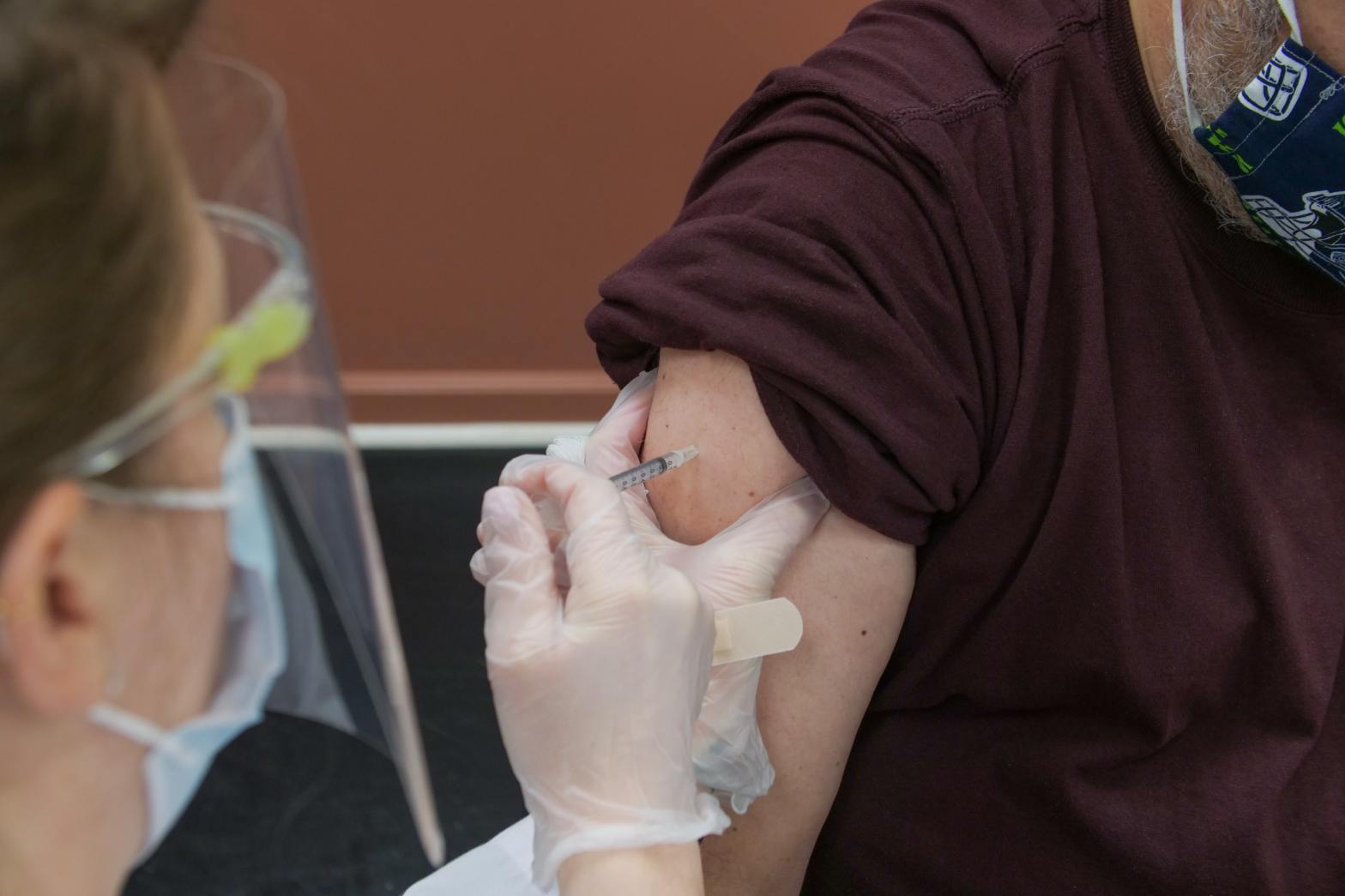
Bridget Penhale, 16 February 2021 Editorial notes: (1) For a different perspective on this same case, check out the earlier blog post by Bonnie Venter here. (2) The judgment has now been published SD v Royal Borough of Kensington And Chelsea [2021] EWCOP 14 (10 February 2021) I attended the hearing on C-19 vaccination (COPContinue reading “Who is to blame if the COVID-19 vaccination causes harm to P?”
Covid vaccination in the Court of Protection

By Bonnie Venter, Monday 15th February 2021 Editorial notes: (1) For a different perspective on this same hearing, see the blog by Bridget Penhale (click here); (2) The judgment has now been published SD v Royal Borough of Kensington And Chelsea [2021] EWCOP 14 (10 February 2021) As an academic researching and teaching Medical Law,Continue reading “Covid vaccination in the Court of Protection”
Endoscopic dilatation against P’s wishes?

By Ravina Bahra, 10 February 2021 This hearing (case number: COP 13711789) before Ms Justice Russell on 9 February 2021 concerned an application to authorise up to five treatment procedures – likely to involve some degree of restraint amounting to deprivation of liberty – that P does not want to undergo. This was a directionsContinue reading “Endoscopic dilatation against P’s wishes?”
Returning P to her family abroad during a global pandemic

By Ravina Bahra, 1st February 2021 Editorial Note: The judgment has just been published (5th February 2021) and is available here. I had the opportunity to observe this hearing (COP 13588956) before Mr Justice Hayden at the Royal Courts of Justice (via MS Teams) on 28th January 2021, having requested access at 9:35am and received aContinue reading “Returning P to her family abroad during a global pandemic”
Capacity for sex and marriage

By Claire Martin and Celia Kitzinger, 22nd January 2021 Back in October 2020, a hearing before Mr Justice Poole (COP 13551368) was adjourned, part-heard, after inadequate reports from the expert witness, Dr Quinn. He reported that the person at the centre of the case (she’s “AG” in the judgment and we called her “Barbara” in our previous blog) lacked theContinue reading “Capacity for sex and marriage”
A mother abroad and a family dispute – Part 2

By Daniel Cloake, 19 January 2021 As a follower of the Open Justice Court of Protection Project on Twitter I took advantage of their daily publication of upcoming Court of Protection hearings and e-mailed in my request to observe this case. Before MR JUSTICE COHENSitting as a Judge of the Court of ProtectionMonday, 11 January, 2021At 02:00Continue reading “A mother abroad and a family dispute – Part 2”

