

I’m not immune from criticism, here. What I thought were my reasonable efforts to get clarity about whether this hearing was going ahead, and then my further attempts to get the link, seem to have created problems for HMCTS staff. Those miscommunications and misunderstandings swirled around a judge who probably didn’t even have time for a cup of tea between hearings. It wasn’t my intention to exacerbate those stresses and, in future, I’ll just send any and all correspondence direct to the hub. That’s what I’ve learnt from this experience. I hope there’s some judicial learning from this experience, too.
Tag Archives: Court of Protection
What’s the difference between a barrister and a solicitor (and a legal executive)?

By Lucy Reed, 21st January 2026 Barristers, solicitors and legal executives are all lawyers, but they are different types of lawyers. There are many similarities and many differences. One is not ‘better’, more experienced or more senior than the other. They have quite different training and expertise and do different types of legal work. The system thatContinue reading “What’s the difference between a barrister and a solicitor (and a legal executive)?”
Successful application to disapply Section 12(1) of the Administration of Justice Act: Making Polly’s statutory will application public
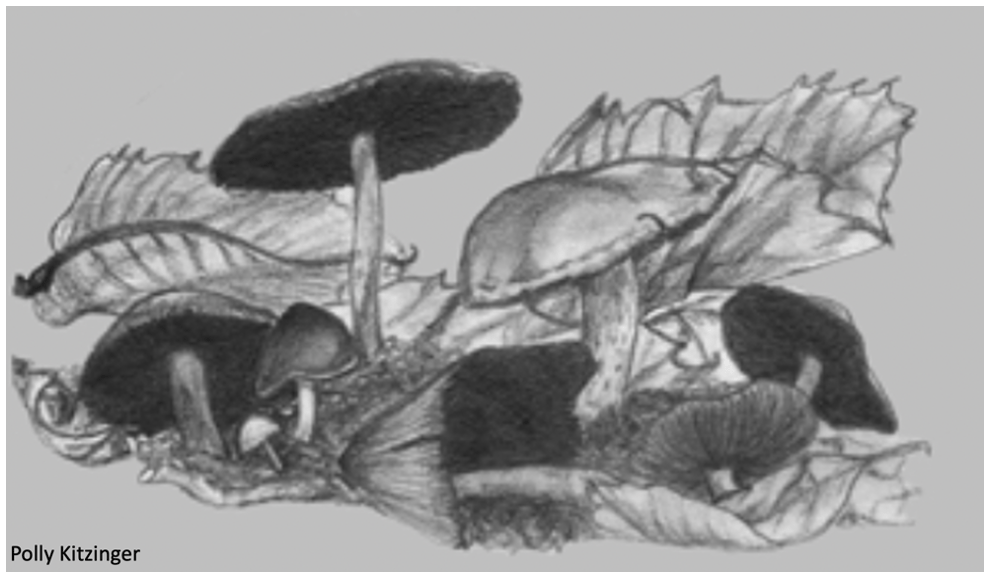
If Polly had been through her car crash and hospital treatment and recovered sufficiently to analyse and present what had happened to her, then we believe she would have told her own story publicly. The thought that a court reporting restriction would have left Polly beside herself with rage.
Response to the Online Procedure Rule Committee

Celia Kitzinger on behalf of the Open Justice Court of Protection Project, 17th January 2026 This is our response to the Online Procedure Rule Committee consultation about the Core Rules and Pilot Schemes 2026. There was very little about transparency and open justice in these rules. We responded solely on that matter. More information aboutContinue reading “Response to the Online Procedure Rule Committee”
Suspended prison sentence for unrepresented defendant – who is “entitled to disagree but not to disobey”
“The court said what needed to be done. You disagreed. You’re entitled to disagree but you’re not entitled to disobey the court order which is what you’re alleged to have done.” (HHJ Burrows)
Sisters in dispute about how best to care for their mother

By Jenny Kitzinger, 11th January 2026 Caring for aging parents who have declining physical and mental capacity can lead to family conflict. There may be different understandings of what the parent wants or needs (and how to balance independence and risk) and different views on likely future deterioration. This can be compounded by disputes aboutContinue reading “Sisters in dispute about how best to care for their mother”
A deputyship application gone astray

What a mess! The Court of Protection seems here (from what the daughter said, not contested by the judge) to have actively worked against P’s best interests. It cannot possibly have been in his best interests have his bank account frozen for more than three years – when the money could almost certainly have been invested and gained better interest elsewhere and debts would have been paid.
Learning from five nonagenarians: Can we avoid becoming a “P” in the Court of Protection in our old age?

In a single month, I observed five hearings involving nonagenarians – people in their nineties. I can’t imagine that anyone would choose to be involved – or to have their family members involved – in Court of Protection proceedings as they approach the end of their life. I’m not sure, though, having considered these five cases carefully (and looked at others we’ve blogged about) that there’s much we can do to avoid it.
A public interest case with significant redactions

This case will return to court on a day I can’t tell you before a judge I can’t name. To find the case, you’ll need to look at the listings for a hearing centre I can’t tell you, and ask to observe the case by reference to case number that I can’t give you.
Systems-generated trauma and closed proceedings: Hywel Dda University Health Board v P & Anor [2024] EWCOP 70 (T3)

The published judgment is the formal public version of what happened to Zoe and her daughter, as told from the perspective of a Court of Protection judge in July 2024. This is Zoe’s story (and mine, as I experienced the court proceedings alongside her).
 Promoting Open Justice in the Court of Protection