
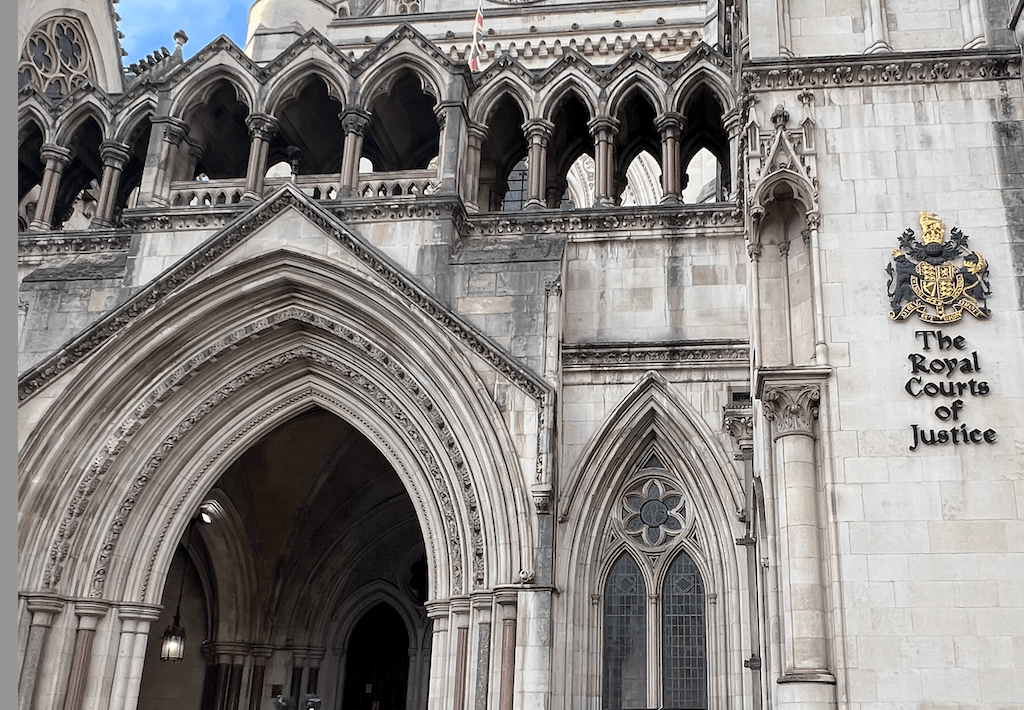
According to the appellant, an “urban myth” had developed about the application of the ‘open justice’ principle to Court of Protection hearings. Flowing from that urban myth, and exemplified by this case, was the proposition that non-parties have rights to access hearings (and materials relevant to hearings) before the Court of Protection, exercisable upon request, and for their benefit (Written submissions of Alex Ruck Keene KC (Hon))
Tag Archives: Human Rights
Court of Appeal to decide whether open justice applies to the Court of Protection: Briefing for CA-2025-001953 Re Gardner (Deceased)

In this ‘advance briefing’, I will set out the relevant background and a short summary of the arguments of the appellant and the intervenors. I hope this will assist observers to follow the hearing – either in real-time (in person in the Royal Courts of Justice or via the live-stream) or subsequently via the recording likely to be available after the hearing on the court’s YouTube channel.
Permission to appeal refused: A procedural dead end

By Elissa Novak (with an introduction by Celia Kitzinger), 22nd February 2026 This is effectively the third tranche of litigation in the long-running case concerning Luba Macpherson and her daughter, “FP”. First came the welfare proceedings for FP which were concluded in 2023[1]. Then came committal proceedings which concluded in 2025 with Luba serving aContinue reading “Permission to appeal refused: A procedural dead end”
Successful application to disapply Section 12(1) of the Administration of Justice Act: Making Polly’s statutory will application public
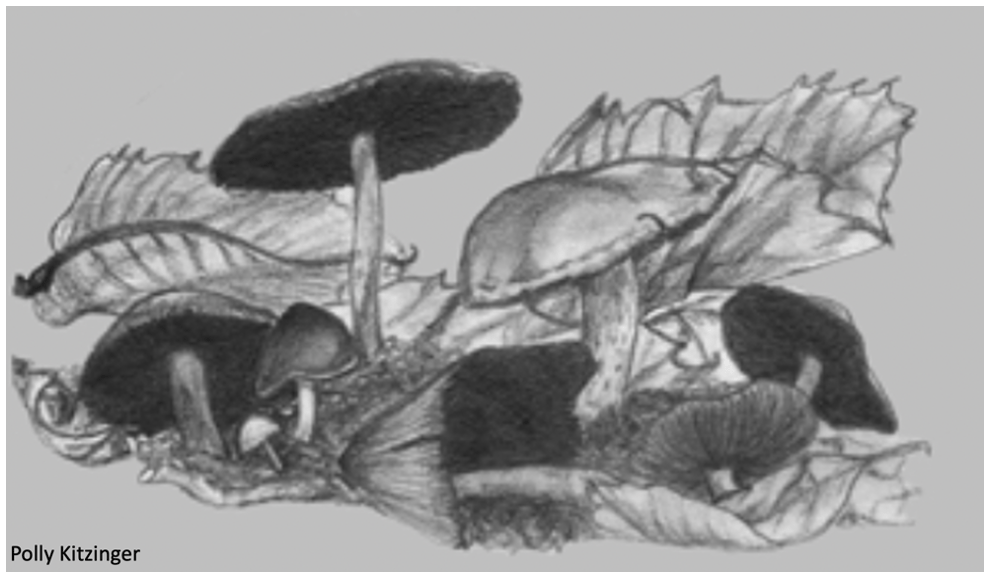
If Polly had been through her car crash and hospital treatment and recovered sufficiently to analyse and present what had happened to her, then we believe she would have told her own story publicly. The thought that a court reporting restriction would have left Polly beside herself with rage.
Learning from five nonagenarians: Can we avoid becoming a “P” in the Court of Protection in our old age?

In a single month, I observed five hearings involving nonagenarians – people in their nineties. I can’t imagine that anyone would choose to be involved – or to have their family members involved – in Court of Protection proceedings as they approach the end of their life. I’m not sure, though, having considered these five cases carefully (and looked at others we’ve blogged about) that there’s much we can do to avoid it.
Systems-generated trauma and closed proceedings: Hywel Dda University Health Board v P & Anor [2024] EWCOP 70 (T3)

The published judgment is the formal public version of what happened to Zoe and her daughter, as told from the perspective of a Court of Protection judge in July 2024. This is Zoe’s story (and mine, as I experienced the court proceedings alongside her).
Positive Obligations under Article 5 and The Attorney General’s Reference to the UKSC

The AIRE Centre is a specialist human rights legal charity, which uses the power of European law to protect individual and collective fundamental rights [The AIRE Centre]. The AIRE Centre intervened in Cheshire West and applied to intervene in the AG’s Reference but was refused permission.
Renal Failure Case Returns: Dialysis problems and Barnet’s non-compliance with a court order

Non-compliance from the public body was dealt with by judicial expressions of incomprehension (“I’m struggling to understand…”) about the Local Authority’s failure to act and about their failure to apologise for not doing so. This led to an acknowledgement of (some) fault by Barnet…
Hoarding and best interests challenges for the Court of Protection

By Claire Martin, 16th November 2025 The protected party at the centre of this case (P) is a man who has significant hoarding difficulties. The Local Authority wants him to leave his home – either by agreement or by force – to enable them to clear the property and assess the amount of work thatContinue reading “Hoarding and best interests challenges for the Court of Protection”
When open justice undermines public confidence: Scrutinising the Supreme Court
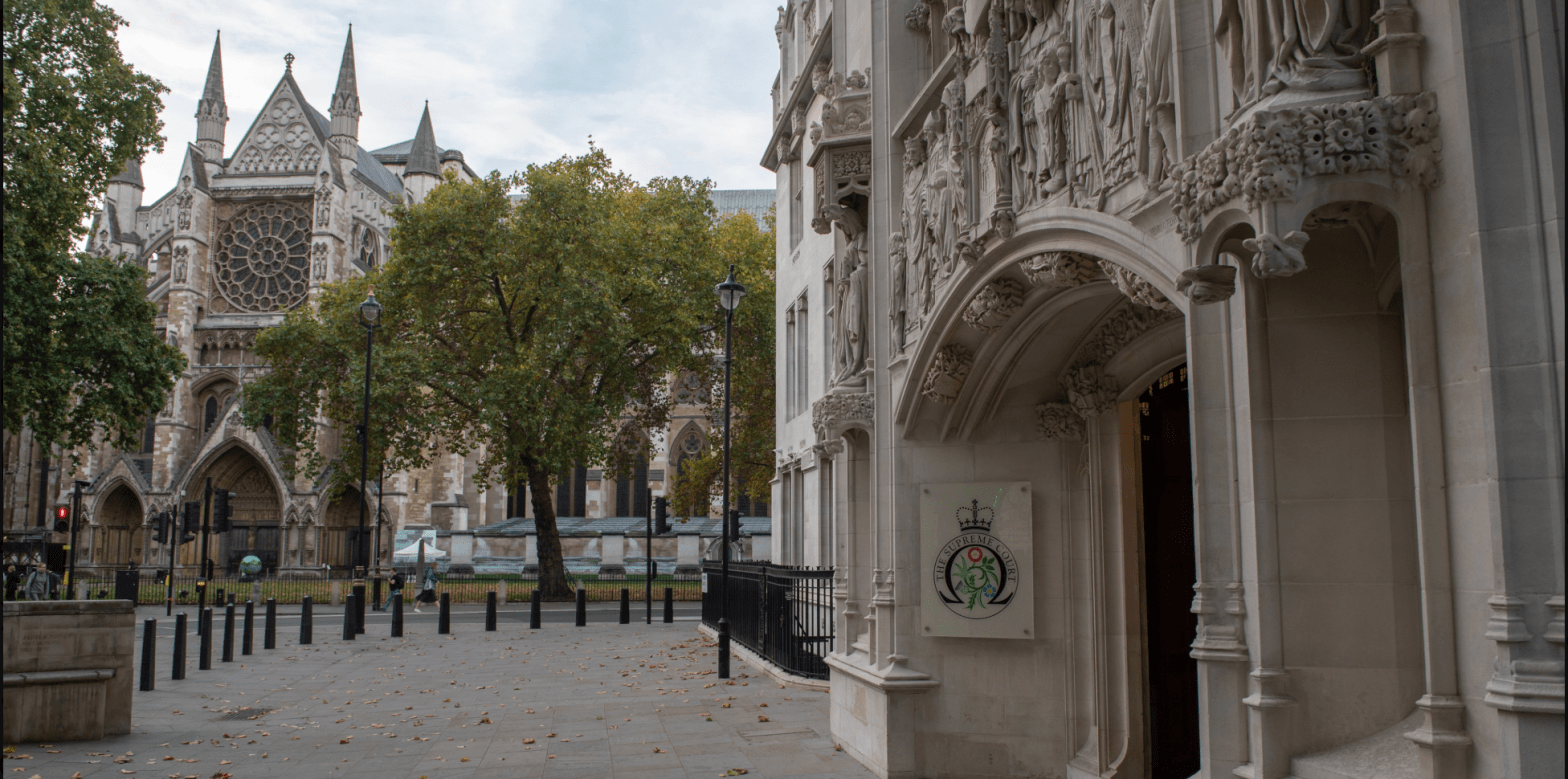
Justice is not a cloistered virtue; she must be allowed to suffer the scrutiny and respectful, even though outspoken, comments of ordinary men
 Promoting Open Justice in the Court of Protection