

At the time of the hearing, P is living in a local hotel at his own expense. The LA has been unable to find suitable accommodation for him locally and after considering the alternative (a flat more than an hour away from his home) the judge ruled he should stay where he is.
Tag Archives: Mental Capacity
If you were a Supreme Court judge, how would you decide Cheshire West Revisited?

Observers form opinions about what they see, opinions informed by their own unique expertise and knowledge base (professional and personal).
Feeding under sedation for anorexia nervosa: The outcome for LV [2025] EWCOP 9

By Sydney White, 18th November 2025 The protected party at the centre of this case, LV, is a 20-year-old woman diagnosed with anorexia nervosa, autism spectrum disorder, severe depression, and anxiety. At the time of the first Court of Protection hearing, in early 2025, she was an inpatient on a ward in a specialist eatingContinue reading “Feeding under sedation for anorexia nervosa: The outcome for LV [2025] EWCOP 9”
Hoarding and best interests challenges for the Court of Protection

By Claire Martin, 16th November 2025 The protected party at the centre of this case (P) is a man who has significant hoarding difficulties. The Local Authority wants him to leave his home – either by agreement or by force – to enable them to clear the property and assess the amount of work thatContinue reading “Hoarding and best interests challenges for the Court of Protection”
When open justice undermines public confidence: Scrutinising the Supreme Court
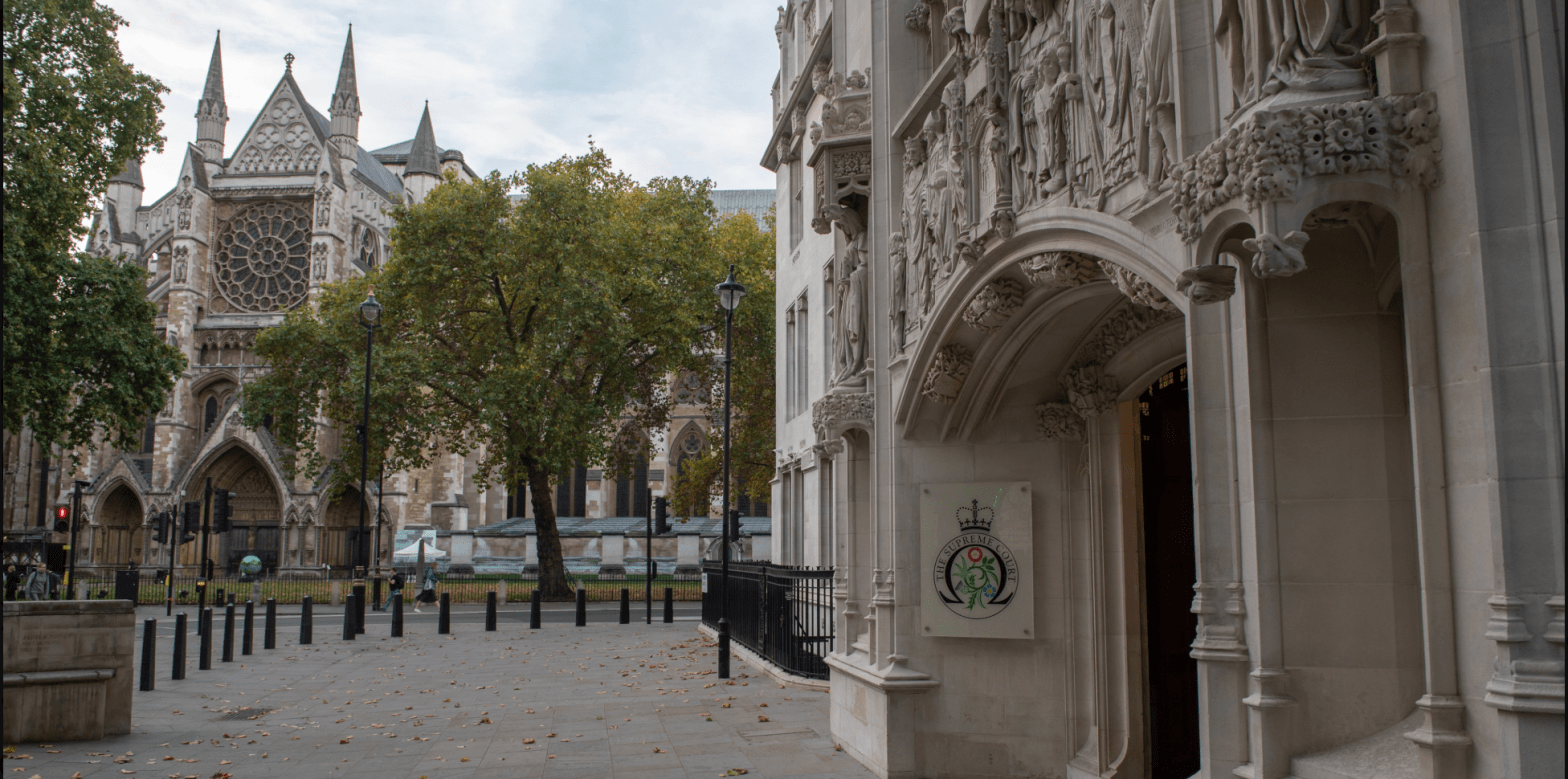
Justice is not a cloistered virtue; she must be allowed to suffer the scrutiny and respectful, even though outspoken, comments of ordinary men
P’s Advance Decision to Refuse Treatment is not valid, not applicable, and not a reflection of her past or present wishes

It seems to me that the judge was entitled to make the decision that P’s ADRT was invalid. That causes me concern because of what it means not just for P but for everyone else with ADRTs. Do our ADRTs adequately reflect what we want? Do we really understand what they might mean for how we are treated – or not treated – in future?
“Liberty” in the Supreme Court

“What about somebody who is so demented they’re effectively catatonic. Just spend the day in front of a television set. Is that person- In what sense does that person have any liberty which she can be deprived of?” (Lord Reed)
Reflections of a freelance mental capacity consultant on the Supreme Court case about deprivation of liberty

I know it’s not a popular view, but I consider the limitations on my daughter’s liberty arise from the injury. She cannot always bring forward and initiate ideas; she can’t go out alone – not because we or the State want to impede her experience of liberty but because the combination of visual impairment, mobility impairment and speed of processing information make it unsafe for her to do so.
A summary of the arguments heard by the Supreme Court
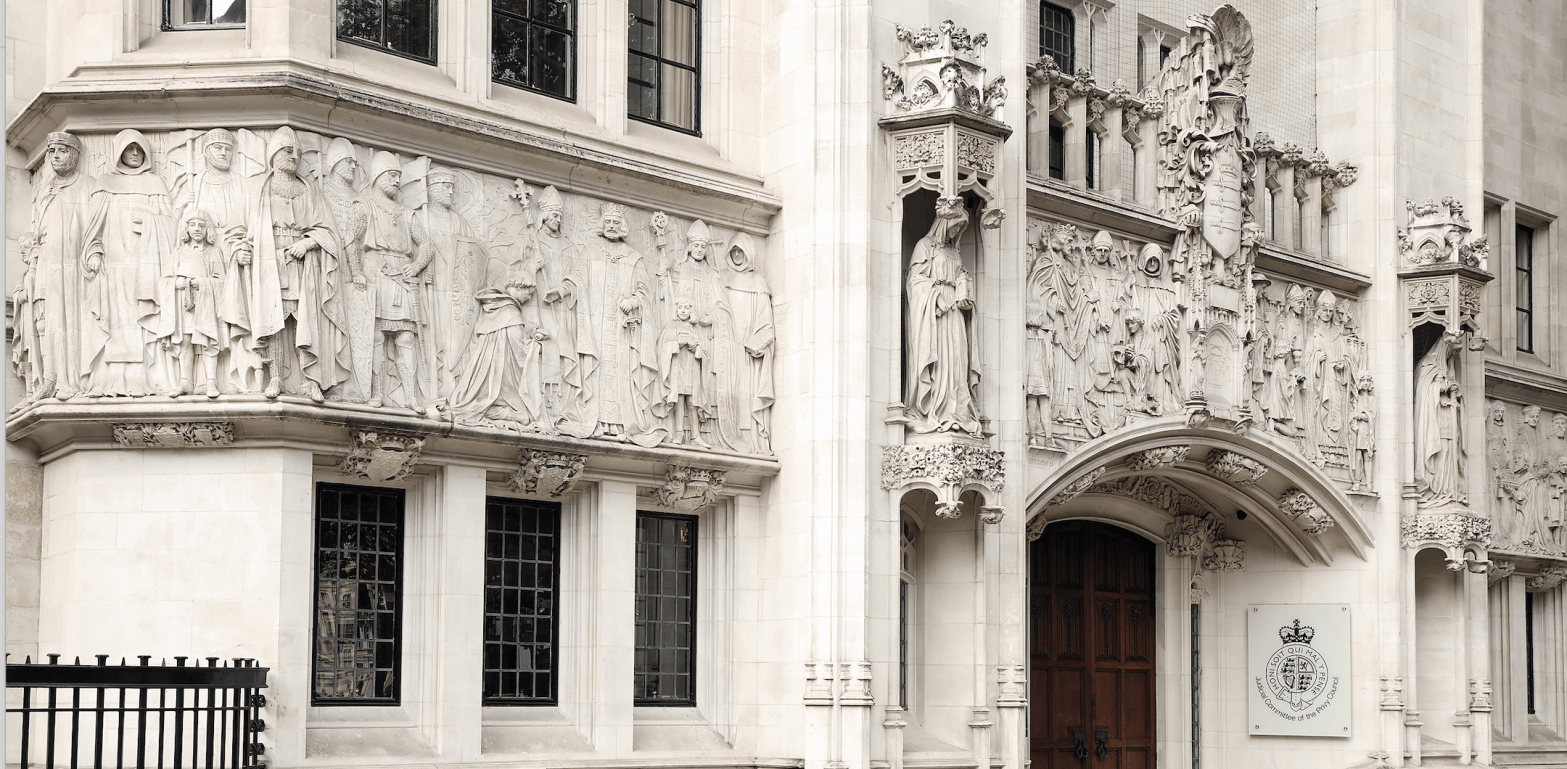
On 20-22 October 2025, the UK Supreme Court is hearing argument about how to understand a deprivation of liberty. This blog is a summary of the oral arguments that the court has heard, and will be updated as the case develops.
Cheshire West returns to the Supreme Court: The position of the parties
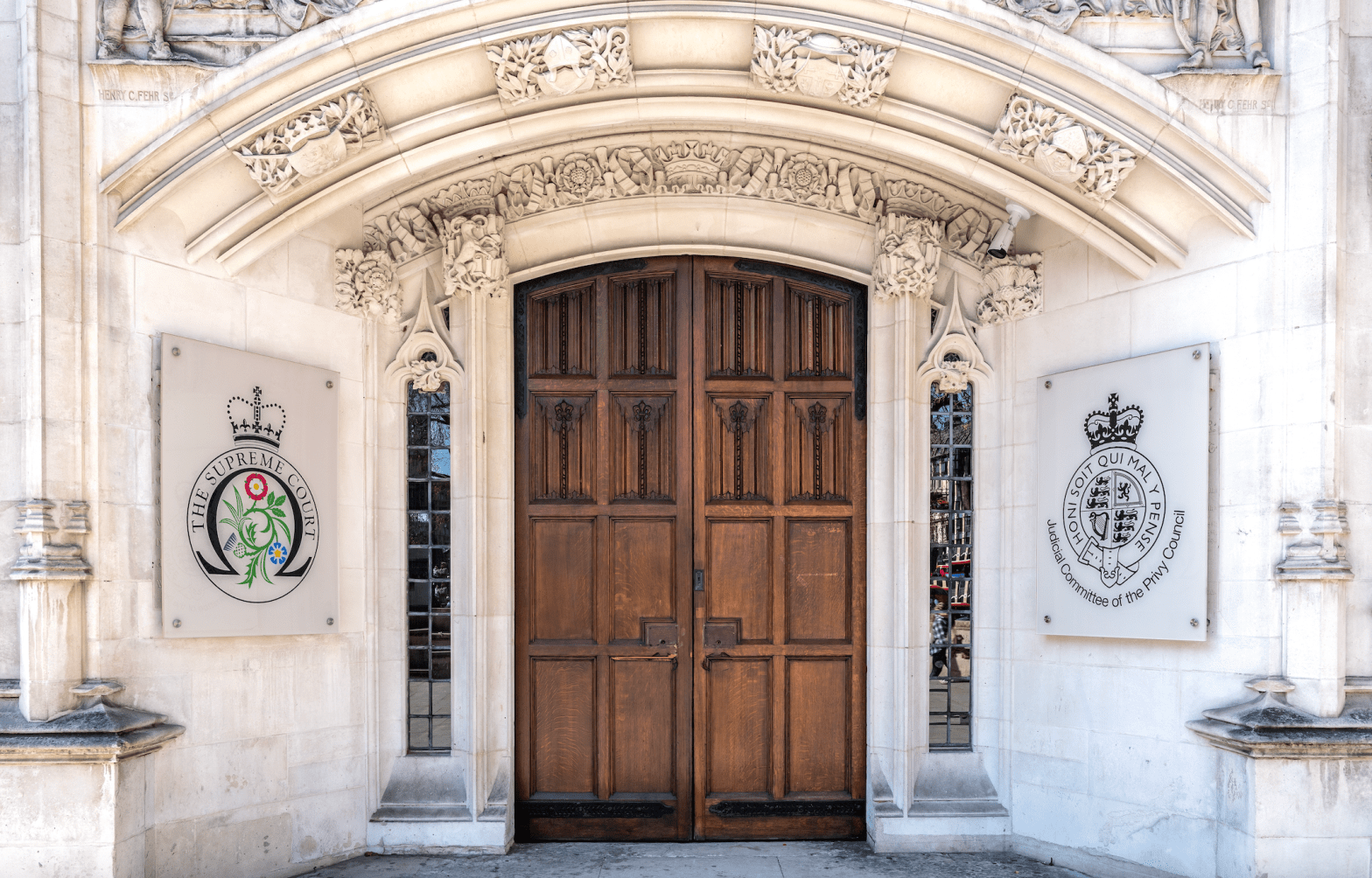
This blog contains brief summaries of the position of each party and intervener. In putting together this blog, I’ve tried to capture the essence of each position but not explain every step in the formulation of that position.
 Promoting Open Justice in the Court of Protection