

Parents, in my experience, are the best judges, of what their children with disabilities can achieve. Our children are constantly under-estimated, set aside, and given insufficient care and support. William has, by any estimate, done an incredible job in tolerating the treatments to date. He has shown exceptional resilience and courage in the face of challenges any child would find difficult, let alone one with his particular disabilities. This should be recognised in determining whether the burdens are too great, as should his clearly asserted wishes.
Author Archives: openjusticecourtofprotection
Advocacy in the William Verden hearing: Observations from a trainee barrister

Court of Protection hearings provide very valuable opportunities to observe the practice and effect of oral and written advocacy from skilled QCs and other barristers. Every trainee barrister would come away stronger after observing a Court of Protection hearing…. This was a profoundly useful hearing to observe as a Bar student.
Best interests and kidney transplantation: Closing submissions in the William Verden case

By Bonnie Venter, 7th March 2022 UPDATE: The judgment in this case is now published: Manchester University NHS Foundation Trust v WV [2022] EWCOP 9 (08 March 2022). Latest news: “Autistic kidney-row teen’s transplant ‘a success’“ This post is about the final day of the hearing concerning whether it is in William Verden’s best interestsContinue reading “Best interests and kidney transplantation: Closing submissions in the William Verden case”
Is a kidney transplant in his best interests?
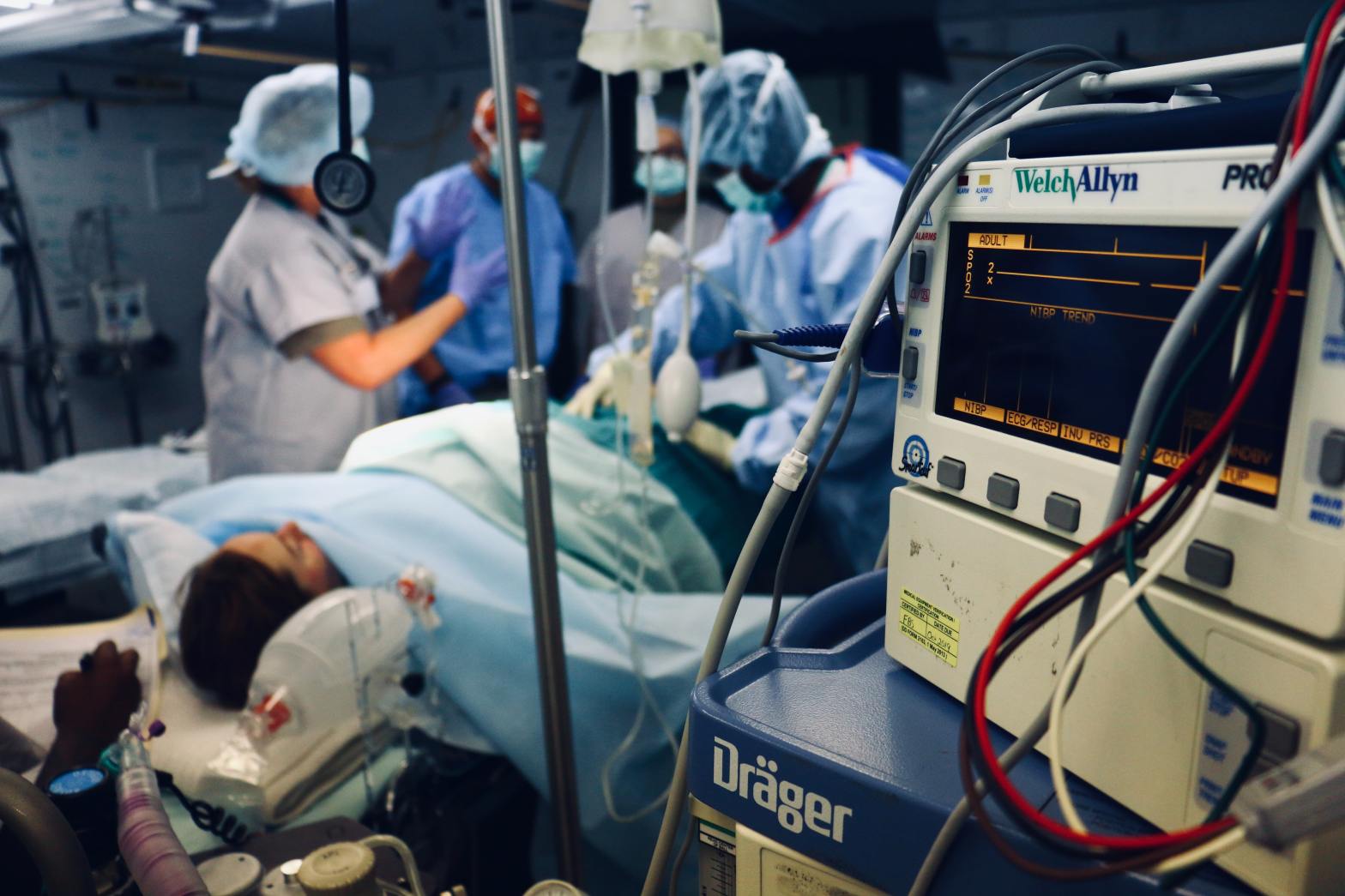
By Bonnie Venter, 1st-4th March 2022 UPDATE: The judgment in this case is now published: Manchester University NHS Foundation Trust v WV [2022] EWCOP 9 (08 March 2022). Latest news: “Autistic kidney-row teen’s transplant ‘a success’“ I’m watching a four-day Court of Protection hearing centred around the legal question of whether a kidney transplant isContinue reading “Is a kidney transplant in his best interests?”
Communicating bad news: A s.21A decision

By Celia Kitzinger, 1 March 2022 Ms C says she hates where she lives – in a residential care home (I’ll call it“Beech House”). She has said so “loudly”. She expressed her “strongly held feelings” directly to the judge when he met with her on 25th January 2022. Throughout that meeting she maintained, in strong terms, thatContinue reading “Communicating bad news: A s.21A decision”
Introducing an upcoming hearing: Is a kidney transplant in his best interests?

A 17y/o with kidney disease, learning disability, autism and ADHD is at the centre of a court decision about a kidney transplant. Bonnie Venter (@TheOrganOgress) will be reporting from court over the next 4 days.
A man with a diagnosis of schizophrenia can be conveyed to hospital against his wishes for assessment of his ulcerated legs

By Claire Martin[1], 24th February 2022 A man in his 40s, Mr M, has severely ulcerated legs and he is reported to be declining or avoiding medical assessment. He has a long-standing diagnosis of schizophrenia and depression and is said to be addicted to Class A drugs (heroin and/or crack cocaine). He lives in supported livingContinue reading “A man with a diagnosis of schizophrenia can be conveyed to hospital against his wishes for assessment of his ulcerated legs”
Delay in finding a suitable placement for a young adult with Prader-Willi syndrome

By Aura Mackintosh Bamber, 22 February 2022 For any child’s family, a diagnosis of Prader-Willi Syndrome brings with it a number of responsibilities and worries that are involved in properly caring for and managing this complex disorder. These worries are only exacerbated when a decision is made to deprive that child of their liberty inContinue reading “Delay in finding a suitable placement for a young adult with Prader-Willi syndrome”
Prader-Willi Syndrome and Transparency
A young man with Prader-Willi Syndrome was at the centre of a hearing before Theis J. I can only tell you this because journalist Brian Farmer and I made submissions to the judge saying that we should be allowed to report it and she eventually agreed.
A response to ‘The politics of the pandemic…’: COVID-vaccination of a disabled man

Let me be clear: I also do not know where the evidence points, because the evidence is not reliably available to examine. I do not know this because the supremacy of evidence-based medicine has been lost, which is personally devastating, as I wonder what will happen to evidence, debate, scientific method and freedom to explore uncertainty.
 Promoting Open Justice in the Court of Protection