
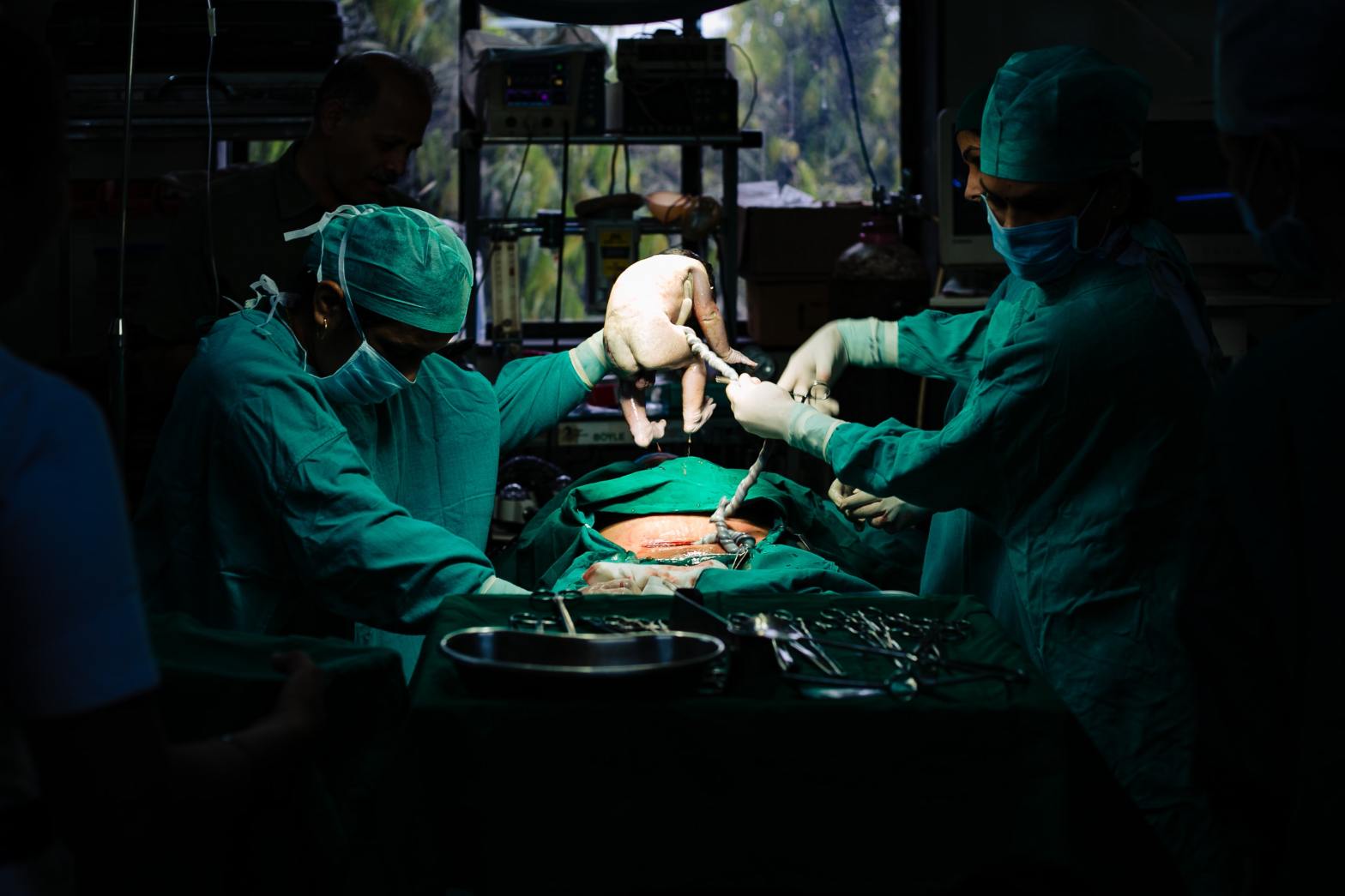
I can see why planned care for someone in a highly distressed and deteriorating state is attractive on many fronts. However, like the Court, I really struggle with the sense that there seems to have been no attempt to engage openly and honestly with Miss K, at a time when she may have been better placed to consider her wishes and feelings in an inevitably harrowing situation.
Category Archives: Uncategorized
Chaos in court and incompetent decision-making: Visual monitoring Part 2

By Claire Martin, 17th June 2021 This hearing, on 6th and 7th May 2021 before HHJ Howells at Wrexham County and Family Court (COP 13575520 Re: B) was the second hearing I’ve observed concerning “David” – a 39-year-old man with a severe learning disability, poorly controlled epilepsy and congenital cerebral palsy with right-sided hemiplegia. At the previous hearing, onContinue reading “Chaos in court and incompetent decision-making: Visual monitoring Part 2”
Happy First Birthday to the Open Justice Court of Protection Project

Celia Kitzinger and Gill Loomes-Quinn, 15th June 2021 One year ago today, on 15th June 2020, we launched the Open Justice Court of Protection Project, a child of the pandemic. It was born of our passionate belief that “publicity is the very soul of justice” at a time when it seemed that the public health emergencyContinue reading “Happy First Birthday to the Open Justice Court of Protection Project”
A junior doctor watches his first hearing

The hearing was about P, a young woman with Down’s Syndrome whose parents had divorced. From what I could make out, this was the case’s first appearance under a ‘Tier 3’ (High Court) judge, but the exact outcomes both parties wanted remained slightly unclear.
Evidence of risk of planned home birth

By James Walker, 11th June 2021 Other experts who have contributed to this Project’s discussion of the Court of Protection case of An Expectant Mother [2021] EWCOP 33 are not alone in the misunderstanding of the data surrounding home births. This is largely due to the fact that the presentation of the data is influencedContinue reading “Evidence of risk of planned home birth”
‘No Entry’: A committal hearing at the RCJ

By Daniel Cloake, 10th June 2021 “It was on display in the bottom of a locked filing cabinet stuck in a disused lavatory with a sign on the door saying ‘Beware of the Leopard.’” So reads the infamous line from The Hitchhiker’s Guide to the Galaxy to justify the assertion that the all-important plans hadContinue reading “‘No Entry’: A committal hearing at the RCJ”
Best interests decisions when P’s views and wishes cannot be determined

The issue at this hearing was (still) whether NW should remain in Dover House, which is what the CCG (who fund her care) argued, supported by the local authority, or whether she should return home, which is what her mother wants.
“An onlooker at someone else’s social event”: A mother’s experience of the court

I don’t understand what was decided at the hearing. I did not get anything like a bit of paper saying “This is what was decided at your court hearing”. I don’t understand why there is another hearing planned for next year. Throughout these months between now and the next hearing my belief is that Lillian is not being given the care that she needs and is not being protected. I just want my daughter to come home.
My midwife heart weeps: Opinion on a court-ordered hospital birth

What the judge has done here is to create a precedent that any woman who has an anxiety disorder and requests birth outside of the regular menu of choice may be subjected to strong-arm maternity care – or may fear it, even if in fact the legal process is never instituted. For many women the impact of these experiences during their pregnancy care and birth will cause deep and long-standing trauma.
“Not nothing”? The Late Term Foetus in the Court of Protection
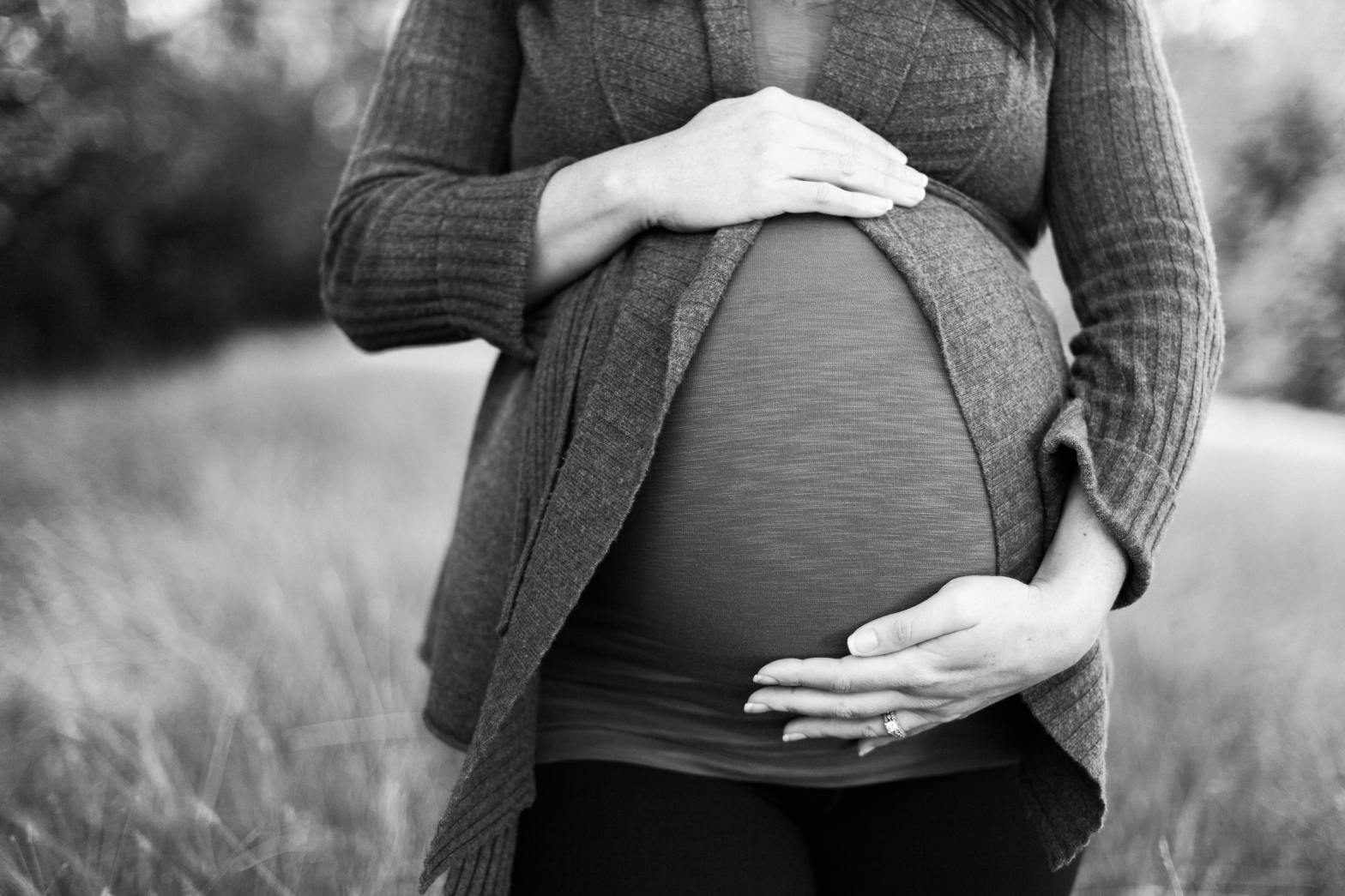
The right of a capacitous pregnant person to make their own medical decisions unfettered by any consideration for the life or health of the foetus they carry has been enshrined unequivocally in UK law. As Judge LJ emphasised in the Court of Appeal in St George’s NHS Trust v S, pregnancy does not reduce a competent patient’s right to make decisions about their medical treatment, and a capacitous pregnant patient therefore has the right to make a medical decision that might cause death or serious injury to the foetus, however repugnant such a decision might seem to onlookers.
 Promoting Open Justice in the Court of Protection