

Parents, in my experience, are the best judges, of what their children with disabilities can achieve. Our children are constantly under-estimated, set aside, and given insufficient care and support. William has, by any estimate, done an incredible job in tolerating the treatments to date. He has shown exceptional resilience and courage in the face of challenges any child would find difficult, let alone one with his particular disabilities. This should be recognised in determining whether the burdens are too great, as should his clearly asserted wishes.
Tag Archives: Disability Justice
Is a kidney transplant in his best interests?
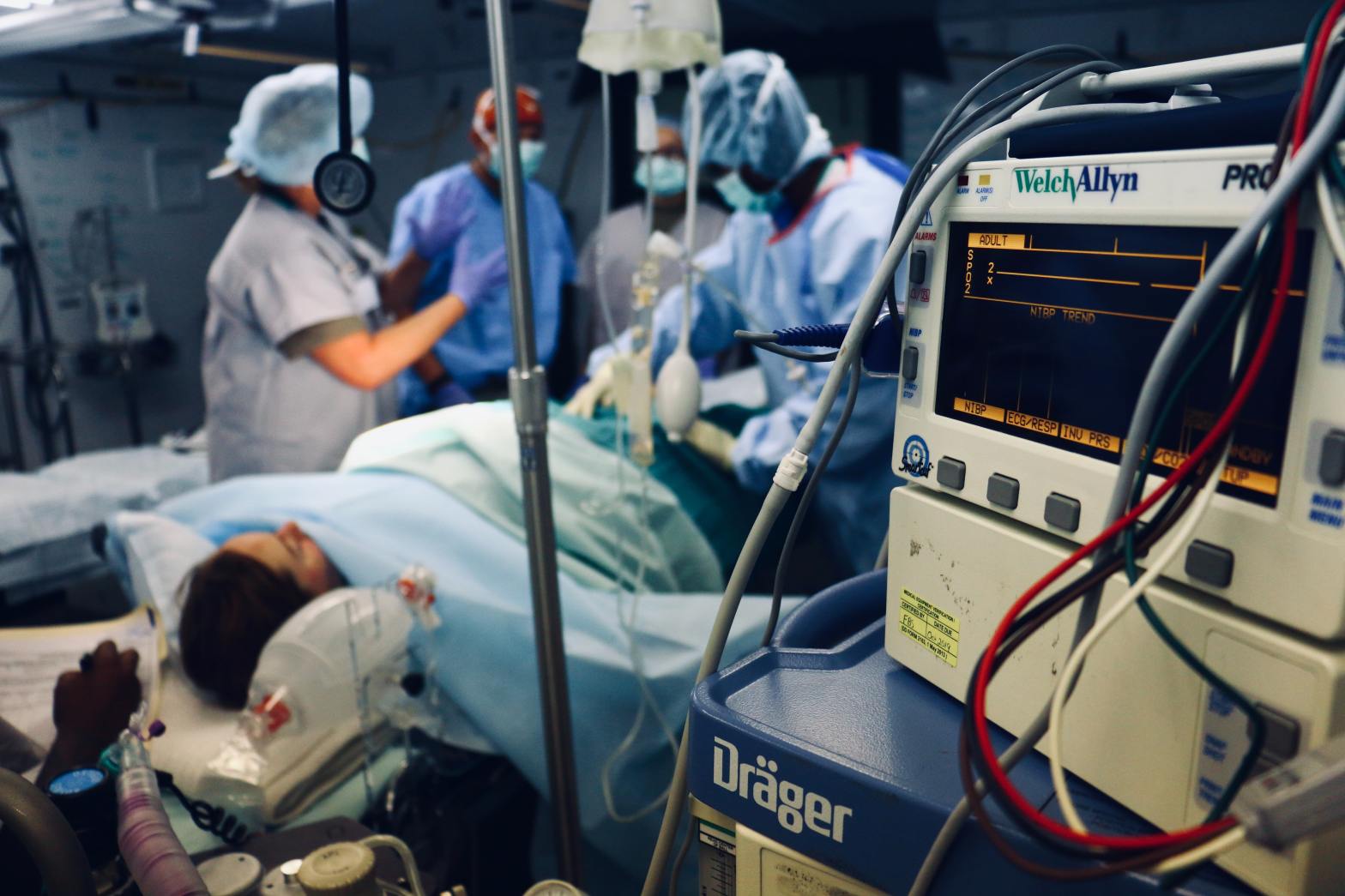
By Bonnie Venter, 1st-4th March 2022 UPDATE: The judgment in this case is now published: Manchester University NHS Foundation Trust v WV [2022] EWCOP 9 (08 March 2022). Latest news: “Autistic kidney-row teen’s transplant ‘a success’“ I’m watching a four-day Court of Protection hearing centred around the legal question of whether a kidney transplant isContinue reading “Is a kidney transplant in his best interests?”
Delay in finding a suitable placement for a young adult with Prader-Willi syndrome

By Aura Mackintosh Bamber, 22 February 2022 For any child’s family, a diagnosis of Prader-Willi Syndrome brings with it a number of responsibilities and worries that are involved in properly caring for and managing this complex disorder. These worries are only exacerbated when a decision is made to deprive that child of their liberty inContinue reading “Delay in finding a suitable placement for a young adult with Prader-Willi syndrome”
Prader-Willi Syndrome and Transparency

A young man with Prader-Willi Syndrome was at the centre of a hearing before Theis J. I can only tell you this because journalist Brian Farmer and I made submissions to the judge saying that we should be allowed to report it and she eventually agreed.
A home not a hospital: Service delivery goals for PH

reflect on how having some level of oversight from a professional who is somewhat independent, and who can initiate communication with separate bodies (i.e. care home management, local authority, health commissioning) can be pivotal in ‘making things happen’ for P, that wouldn’t have necessarily happened without such intervention.
Elective caesarean in her best interests
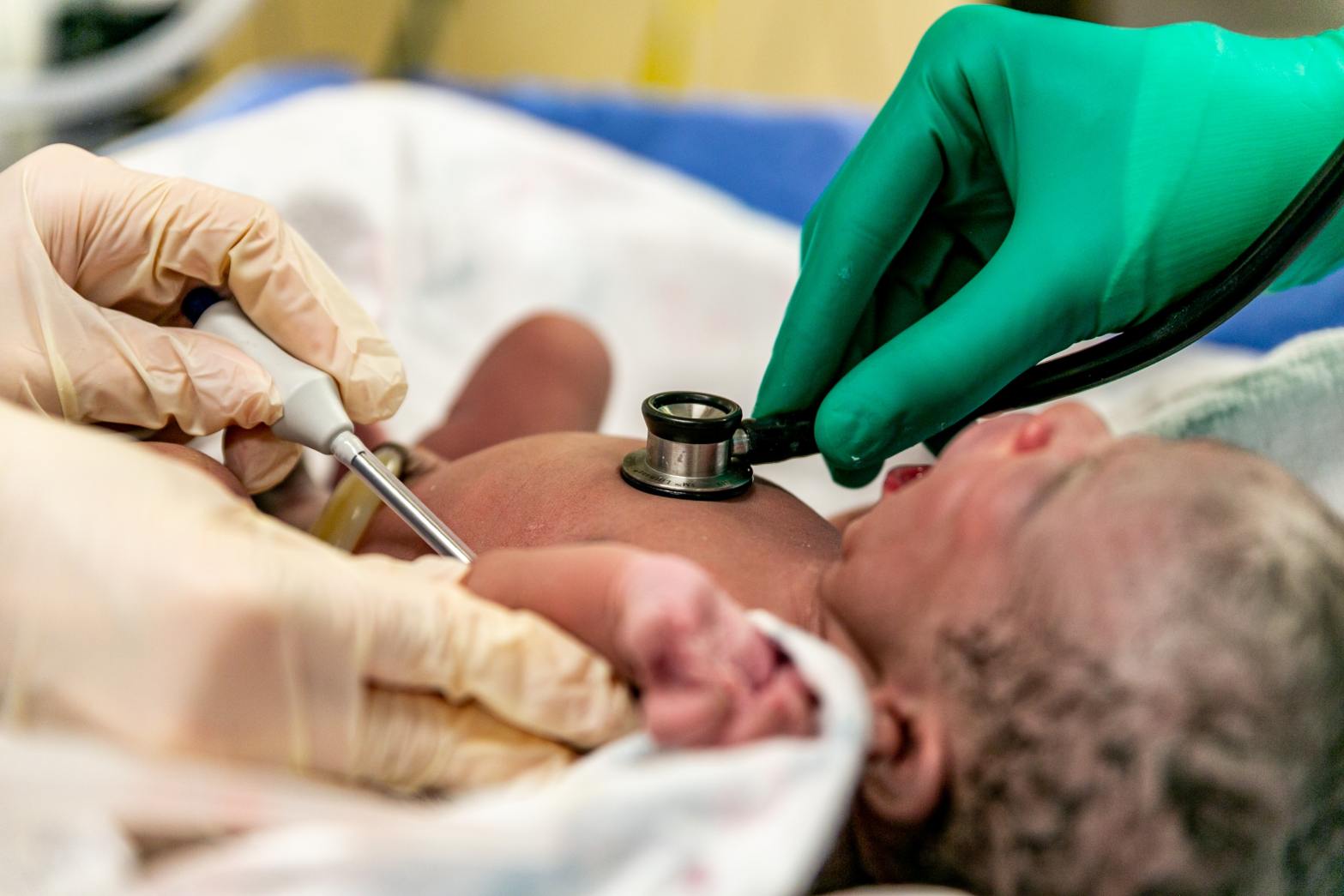
Despite guidance concerning applications for court-sanctioned interventions in childbirth, it’s common for cases to come before the court (as here) where women are within 4 weeks of their expected delivery, and judges regularly express concern that they are having to make decisions about childbirth for women close to (or even after) their due dates.
Fact-finding, ‘magnetic importance’, and the consternation of colleagues: A final hearing adjourned

At the heart of this hearing is the question of whether P can live with her mother, who loves her and wants to care for her. Attempts to elicit P’s wishes and feelings have been unsuccessful, but the social worker has said that “having observed the loving and affectionate relationship that [P] has with her family and that she has been cared for by them throughout her life, it is understood that [P] would wish to continue to stay with her family and be cared for by them”.
Reflections on Disability and Reproductive Justice in a court hearing

P’s awake while giving birth, adding layers of complexity to what could be considered P’s best interests because she raised the importance to her of bonding and the symbiotic relationship between mother and baby. To her, being awake and with her partner are fundamental to establishing that relationship. Without her ability to participate, how could the court have recognised this?
Cataract surgery for a patient who’s refusing it
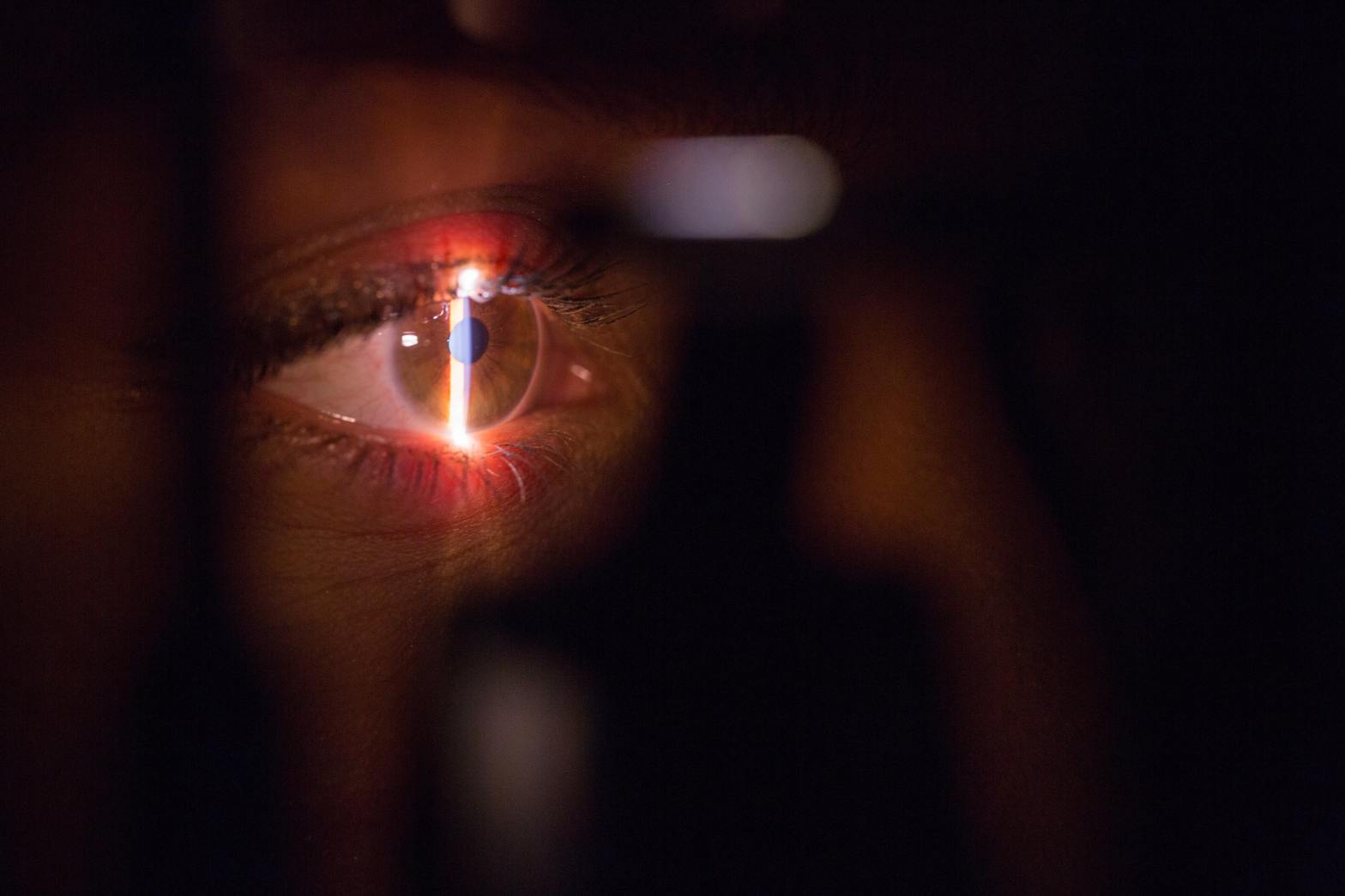
It can feel wrong to force someone to have medical treatment they say they don’t want. It can also feel wrong to acquiesce to someone’s (non-capacitous) wishes, knowing that they will suffer and/or die as a result.
Risk-averse medical decisions, the right to privacy, and best interests: Video-monitoring Part 3
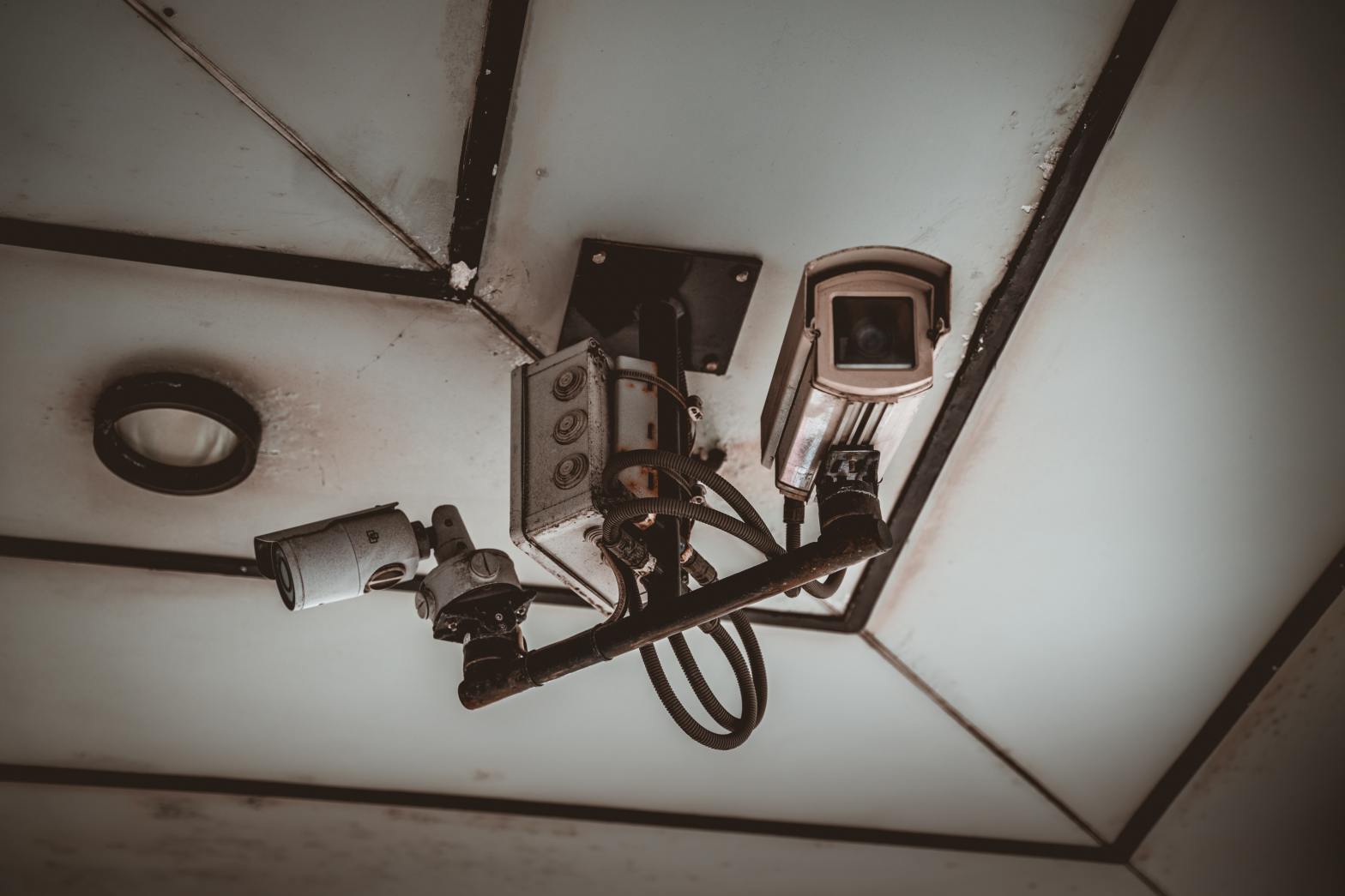
If a best interests’ process had been followed and it had been decided that monitoring was not in David’s best interests, then no court hearing would have been needed and P would not have had his Article 8 right violated for a long time. If there had been disagreement (e.g. between parent and clinician) after a best interests process, then an application to the Court of Protection might have led to a case process similar to this, but without delay. The issue in this case is that there was no best interests’ process at all!
 Promoting Open Justice in the Court of Protection