
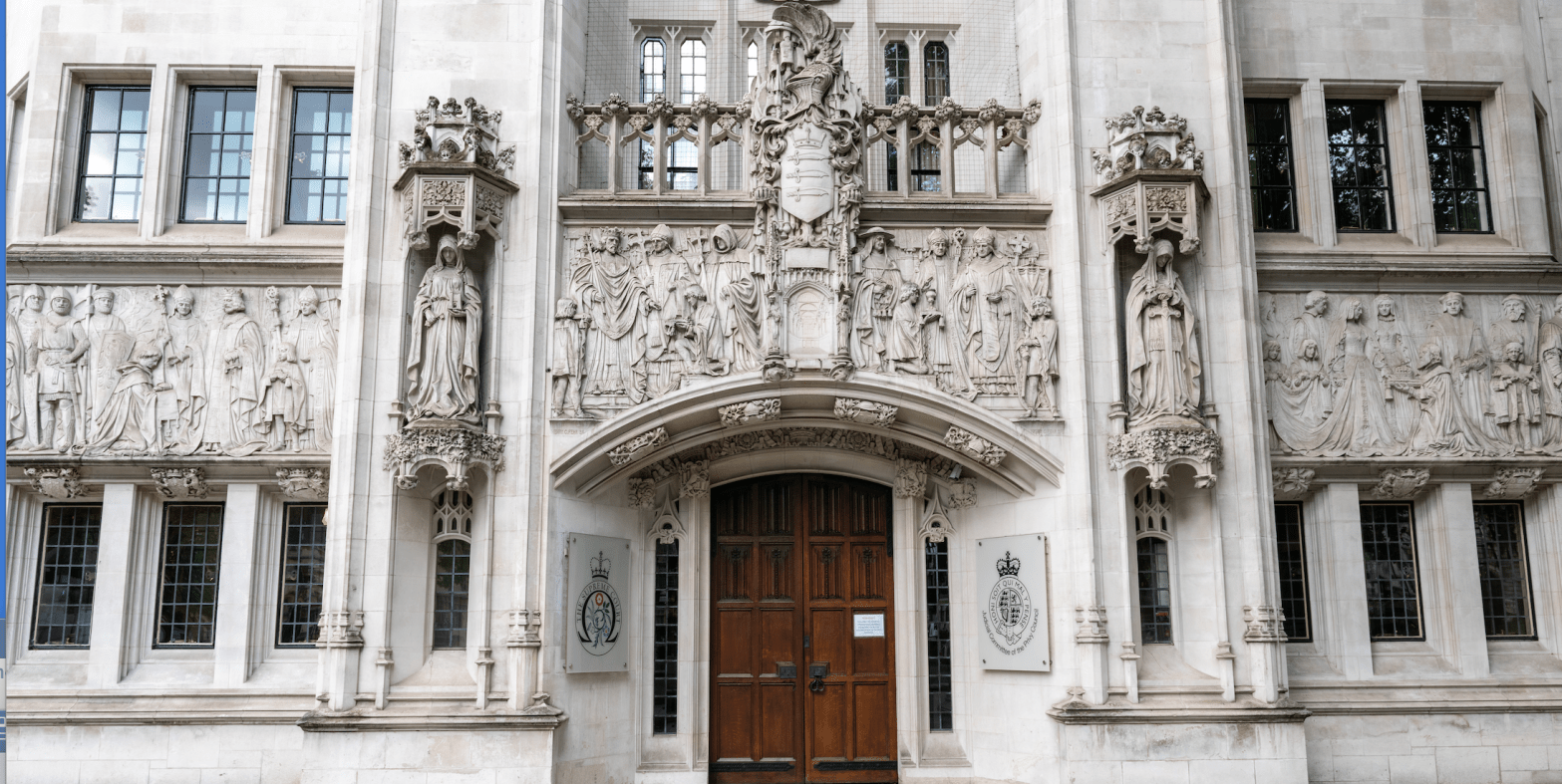
“if there’s a decision of the Supreme Court that is arguably wrong, the sooner we decide whether it is, the better…. There is no such thing as an infallible institution.”
Tag Archives: Supreme Court
If you were a Supreme Court judge, how would you decide Cheshire West Revisited?

Observers form opinions about what they see, opinions informed by their own unique expertise and knowledge base (professional and personal).
Abstract argument: The Attorney General for Northern Ireland’s Reference to the Supreme Court

Many of the hypothetical arguments and postulated facts raised at the hearing concerned not the issue of consent on which the Attorney General sought guidance, but the wider issue of whether Cheshire West was correctly decided viz. the “acid test”. That question was raised late in the day by the Secretary of State for Health and Social Care who does not have standing to refer cases directly to the Supreme Court himself…
“Liberty” in the Supreme Court

“What about somebody who is so demented they’re effectively catatonic. Just spend the day in front of a television set. Is that person- In what sense does that person have any liberty which she can be deprived of?” (Lord Reed)
Reflections of a freelance mental capacity consultant on the Supreme Court case about deprivation of liberty

I know it’s not a popular view, but I consider the limitations on my daughter’s liberty arise from the injury. She cannot always bring forward and initiate ideas; she can’t go out alone – not because we or the State want to impede her experience of liberty but because the combination of visual impairment, mobility impairment and speed of processing information make it unsafe for her to do so.
Cheshire West returns to the Supreme Court: The position of the parties
This blog contains brief summaries of the position of each party and intervener. In putting together this blog, I’ve tried to capture the essence of each position but not explain every step in the formulation of that position.
Place Your Bets: The Supreme Court vs The Spirit of Cheshire West
On Monday 20th to Wednesday 22nd October, the UK Supreme Court is gearing up to hear a case that could redraw the map of human rights protections for people deprived of their liberty, and I, for one, am terrified.
Reform, not rollback: Reflections from a social worker and former DOLS lead on the upcoming Supreme Court case about deprivation of liberty
This question strikes at the heart of the “subjective element” of deprivation of liberty. And it’s why charities like Mind, Mencap, and the National Autistic Society are sounding the alarm. As someone who has worked as a DoLS lead, Best Interests Assessor, and social worker, and now as a Practice Development Consultant at SCIE, I share those concerns.
Cheshire West Revisited
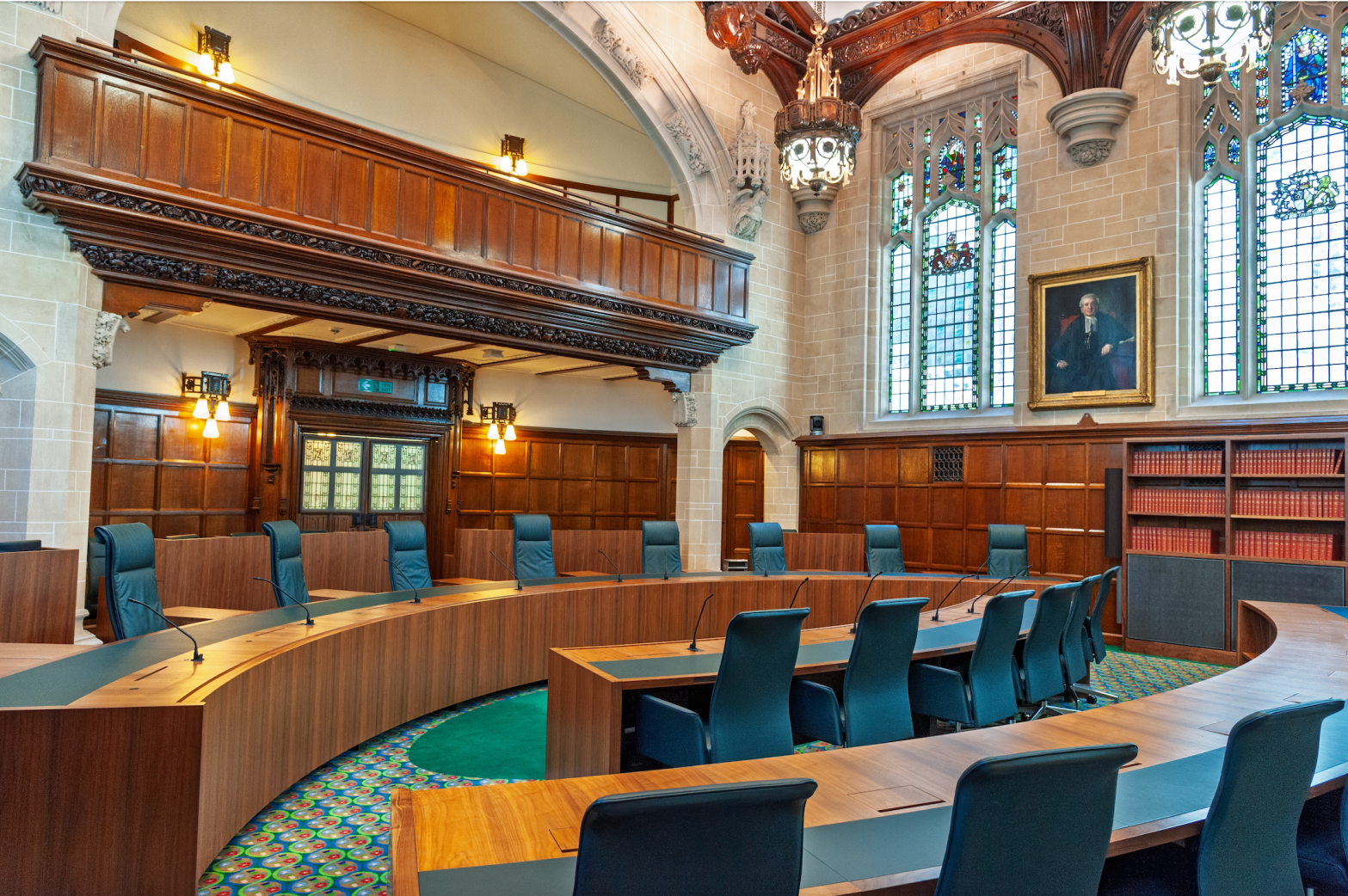
There are probably constitutional and legal questions about this route to reviewing an earlier Supreme Court decision, but that’s not what interests me today. want to write about valid consent, because it’s a topic I’ve been thinking and writing about a lot since Cheshire West
Reconsidering Cheshire West in the Supreme Court: Is a gilded cage still a cage?
Even when P says they’re happy with their residence, and that they do not want to leave, and welcome the fact that the doors are kept locked, this still amounts to a deprivation of liberty. It is this element of deprivation of liberty that the Supreme Court will be considering in October 2025. The key question is whether a person can, in effect, “consent” to living arrangements that would otherwise constitute a “deprivation of liberty” through the expression of their wishes and feelings, irrespective of whether or not they have the mental capacity to consent to those arrangements.
 Promoting Open Justice in the Court of Protection